博客

  • Dubai: Sheikh Hamdan takes Elon Musk for a drive in the city

    Dubai: Sheikh Hamdan takes Elon Musk for a drive in the city

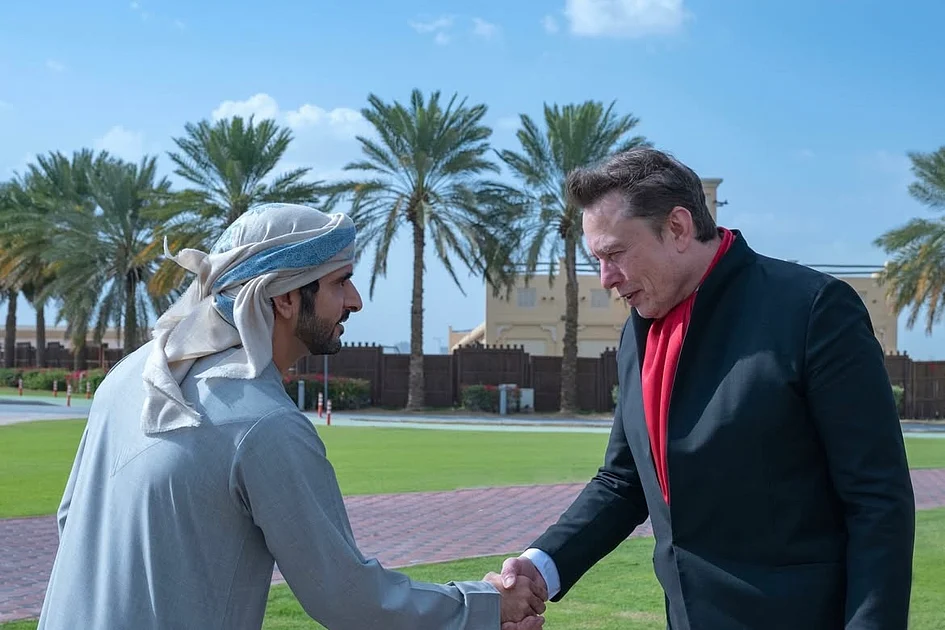
    In a significant meeting of global visionaries, Dubai Crown Prince Sheikh Hamdan bin Mohammed bin Rashid Al Maktoum hosted tech magnate Elon Musk for an extensive discussion on technological innovation and future development strategies. The high-profile encounter, which took place in the royal majlis at Nad Al Sheba, featured candid moments including a personal drive through the city, with Sheikh Hamdan behind the wheel and Musk as passenger.

    The Crown Prince documented the meeting through social media channels, expressing particular enthusiasm about their wide-ranging dialogue concerning space exploration, technological advancement, and humanity’s future trajectory. “I thoroughly enjoyed our comprehensive discussion on space, technology, and humanity,” Sheikh Hamdan stated. “We are genuinely excited to witness what the future holds through such collaborative efforts.”

    Through his official X account, Sheikh Hamdan emphasized the strategic importance of international partnerships, noting: “We take pride in the collaborations that unite the UAE with global economic leaders and change-makers. This reflects our fundamental belief that cooperation serves as the genuine catalyst for progress, and that the coming era demands integrated partnerships between government and private sectors.”

    The meeting notably focused on the groundbreaking Dubai Loop project, which Musk initially unveiled during the World Governments Summit earlier this year. This revolutionary transportation system, scheduled for operational launch in 2026, will feature a 17-kilometer network with 11 stations capable of transporting 20,000 passengers hourly. Utilizing electric vehicles reaching speeds of 160 km/h, the system represents a transformative approach to urban mobility.

    Sheikh Hamdan characterized the project as one that will “revolutionize transportation” throughout the emirate, establishing Dubai as a global capital for digital economy through sustainable future systems. “In Dubai, we are working to consolidate the emirate’s position as a global capital for the digital economy through a sustainable future system that places people at the heart of development,” he affirmed.

    The Dubai Loop constitutes a crucial component of the city’s long-term infrastructure expansion plan, aiming to provide rapid, efficient transportation without intermediate stops while promoting sustainable, electric-powered mobility solutions. This development aligns with Dubai’s broader ambition to redefine transportation paradigms both above and below ground, setting international benchmarks for innovation and urban planning.
  • US reportedly pursuing third oil tanker linked to Venezuela

    US reportedly pursuing third oil tanker linked to Venezuela

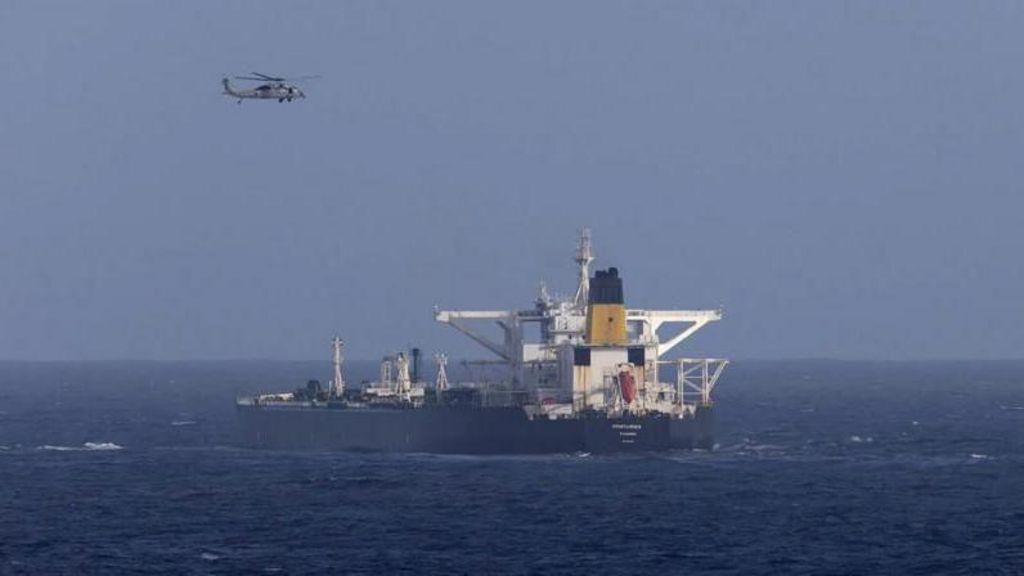
    The United States Coast Guard initiated an active pursuit of another oil tanker in international waters near Venezuela on Sunday, marking the latest escalation in a series of maritime confrontations between the two nations. This development follows Saturday’s seizure of a Panamanian-flagged vessel by U.S. authorities—the second such intervention this month—as part of Washington’s intensified enforcement of sanctions against Venezuela’s state oil company PDVSA.

    According to U.S. officials speaking to CBS News, the targeted vessel represents a ‘sanctioned dark fleet vessel’ engaged in Venezuela’s ‘illegal sanctions evasion’ operations, allegedly flying false flags while under judicial seizure orders. The Trump administration has justified these actions by accusing Venezuela of utilizing oil revenues to fund drug-related criminal activities, though no public evidence has been provided regarding alleged drug smuggling operations.

    Venezuela’s government, presiding over the world’s largest proven oil reserves, has vehemently denounced these interdictions as ‘theft and kidnapping’ of national resources. In response to Saturday’s incident, Caracas announced intentions to file formal complaints with the UN Security Council and various multilateral agencies, warning that ‘these acts will not go unpunished.’

    Maritime monitoring data from TankerTrackers.com reveals the scale of this confrontation: as of last week, more than 30 of the 80 ships in Venezuelan waters or approaching the country were under U.S. sanctions. The vessel seized on Saturday, while not explicitly listed on the U.S. Treasury’s sanctioned vessels list, was reportedly carrying ‘sanctioned PDVSA oil’ and had previously sailed under Greek and Liberian flags according to shipping records reviewed by BBC Verify.

    This maritime crisis unfolds alongside increased U.S. military presence in the Caribbean Sea, where American forces have conducted deadly strikes on alleged Venezuelan drug-smuggling boats resulting in approximately 100 casualties. These military actions face growing congressional scrutiny due to the absence of publicly disclosed evidence connecting targeted vessels to drug trafficking.

    The Trump administration has further escalated tensions by accusing Venezuelan President Nicolás Maduro of leading a designated terrorist organization called Cartel de los Soles—an allegation Maduro consistently denies. With Venezuela’s government heavily dependent on oil export revenues for public financing, these maritime interdictions strike at the core of the nation’s economic stability amid ongoing political and humanitarian crises.

  • Sudan drone attack on Darfur market kills 10, say rescuers

    Sudan drone attack on Darfur market kills 10, say rescuers

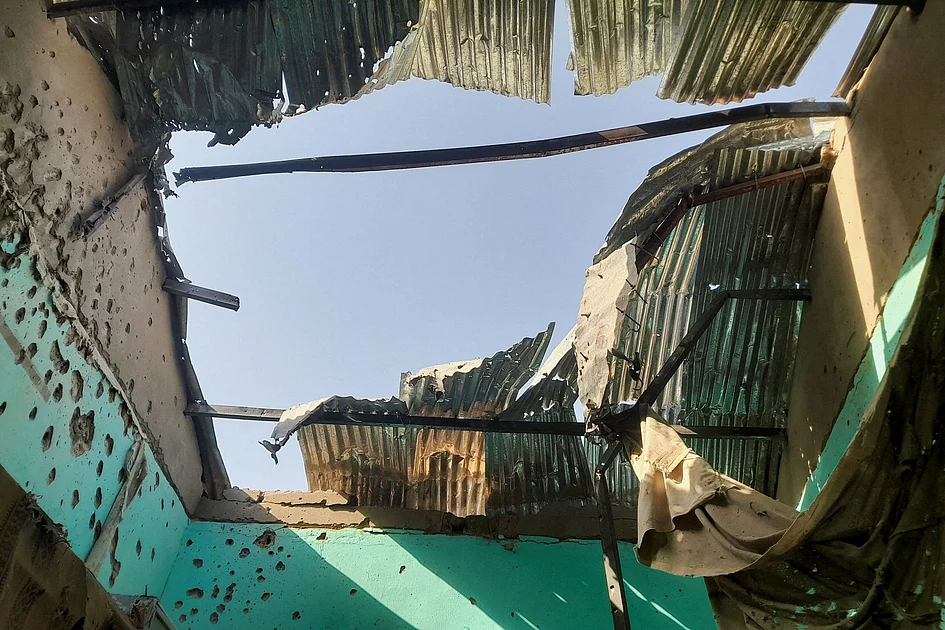
    A deadly drone strike targeted a bustling marketplace in Sudan’s North Darfur state over the weekend, resulting in at least 10 fatalities according to local emergency responders. The attack struck Al-Harra market in the paramilitary-controlled town of Malha on Saturday, igniting fires that consumed multiple shops and caused substantial property damage.

    The North Darfur Emergency Rooms Council, part of Sudan’s extensive network of volunteer aid organizations, confirmed the incident while refraining from attributing responsibility to any specific faction. Neither the Sudanese army nor the Rapid Support Forces (RSF) paramilitary group have issued statements regarding the attack.

    This violence occurs amid intensified fighting across multiple regions of Sudan, particularly in South Kordofan where the conflict’s current epicenter has emerged. The strategic city of Kadugli, already grappling with famine conditions, witnessed the complete evacuation of humanitarian workers on Sunday due to deteriorating security. This evacuation followed the United Nations’ decision to relocate its logistical hub from the besieged city.

    The ongoing civil war, which erupted in April 2023 between the national army and RSF forces, has created one of the world’s most severe humanitarian crises. The conflict has claimed tens of thousands of lives while displacing nearly 12 million people—the largest displacement crisis globally. Recent RSF advancements have shifted the battlefield toward resource-rich Kordofan, a critical junction connecting army-controlled northern territories with RSF-dominated western regions.

    Communications blackouts and widespread famine have compounded the suffering, with Kadugli residents reportedly foraging in nearby forests for sustenance. The conflict has effectively partitioned Sudan into separate zones of control, with the army maintaining authority over northern, eastern, and central areas while the RSF commands all five state capitals in Darfur and significant southern territories.

  • At least 13 photos removed from justice department Epstein files website

    At least 13 photos removed from justice department Epstein files website

    The U.S. Department of Justice (DOJ) has temporarily removed several images from the recently released Jeffrey Epstein case files, triggering political scrutiny and raising questions about transparency. Deputy Attorney General Todd Blanche confirmed on Sunday that at least 13 files had been taken down from the official DOJ website, including one photograph featuring former President Donald Trump.

    The removal decision followed concerns raised by victims’ rights groups regarding unredacted images of women appearing alongside public figures. Blanche emphasized that the temporary withdrawal was strictly related to victim protection protocols rather than political considerations. ‘The suggestion that the photo was removed due to President Trump is laughable,’ Blanche told NBC News. ‘There are dozens of photos of President Trump already released to the public with Mr. Epstein.’

    Among the removed materials was an image showing Epstein’s credenza desk with an open drawer containing multiple photographs, including one depicting Trump, Epstein, First Lady Melania Trump, and convicted associate Ghislaine Maxwell. Other removed files displayed images of a massage parlor with nude artwork and photographs on the walls, where some women’s faces remained visible despite redaction attempts.

    The DOJ stated on social media platform X that the Trump-inclusive image was flagged by the Southern District of New York ‘for potential further action to protect victims’ and was removed ‘out of an abundance of caution.’ After review, the department determined no Epstein victims were depicted and restored the image without alterations by Sunday morning.

    The document release itself has faced criticism for missing Friday’s legal deadline and containing heavy redactions. Congressman Thomas Massie (R-KY), who led the push for disclosure, expressed frustration with the administration’s response and announced plans to draft inherent contempt charges against Attorney General Pam Bondi. Meanwhile, Democrats on the House Oversight Committee questioned the removals publicly, posting on social media: ‘What else is being covered up? We need transparency for the American public.’

    The newly released files, mandated by congressional action, excluded materials depicting child sexual abuse, physical abuse, active investigation details, and classified documents. Notably absent were internal DOJ memos regarding charging decisions, leaving limited new information about Epstein’s crimes despite the highly anticipated disclosure.

  • UAE residents can watch, vote for the best AI-generated film; top 12 revealed

    UAE residents can watch, vote for the best AI-generated film; top 12 revealed

    Dubai has become the epicenter of cinematic innovation with the revelation of twelve finalists for the world’s most valuable AI-generated film award, boasting a monumental $1 million prize. Organized by the 1 Billion Followers Summit in collaboration with Google Gemini, this groundbreaking competition has drawn global attention to the rapidly evolving landscape of artificial intelligence in filmmaking.

    The shortlisted films, selected from an astonishing 3,500 submissions across 100 countries, represent two distinct thematic categories: “Rewrite Tomorrow,” exploring futuristic narratives, and “The Secret Life of Everything,” revealing untold stories of existing characters. The selection process involved rigorous evaluation by a 40-member expert jury and advanced technical review using Google Gemini’s AI systems, ensuring each entry met stringent criteria including minimum 70% usage of Google’s generative AI tools.

    Notable finalists include Egyptian filmmaker Mohamed Gomaa Rizk’s ‘Heal,’ set in 2030 where emotional AI helps a traumatized woman access her comatose mother’s memories, and South Korean director Lee Su Yeol’s ‘Cats Like Warmth,’ about a data-driven robot discovering emotional connection. Palestinian filmmaker Omar Rammal’s ‘Dreams Don’t Die’ presents a poignant narrative of children escaping war through magical storybooks, while German director Daniel Titz’s ‘Roots of Tomorrow’ addresses microplastic pollution through interplanetary exploration.

    The public voting window opens December 21-25 through the summit’s official website, allowing global audiences to participate in determining the future of AI-generated cinema. The top five films will screen on January 10, 2026, during the fourth edition of the 1 Billion Followers Summit at Emirates Towers, Dubai International Financial Centre, and Museum of the Future, with the ultimate winner announced on January 11.

    This initiative, hosted by the UAE Government Media Office under the theme ‘Content for Good,’ represents a significant milestone in legitimizing AI-generated content as a formidable force in the creative economy, potentially reshaping how stories are told and consumed worldwide.

  • Things to do in Dubai this Christmas: Brunches, treats, events and family fun

    Things to do in Dubai this Christmas: Brunches, treats, events and family fun

    Dubai transforms into a spectacular winter wonderland this Christmas season, offering an array of meticulously curated experiences that cater to diverse tastes and age groups. The city’s festive programming combines traditional holiday charm with innovative entertainment concepts, creating unforgettable moments for residents and visitors alike.

    Wild Wadi Waterpark launches a month-long celebration where children up to eight years enjoy complimentary admission with paying adults. The aquatic venue features extraordinary seasonal elements including a wave-riding Surfing Santa performance continuing through January 5, complemented by DJ-hosted pool parties and live holiday performances. Guests can indulge in seasonal treats ranging from hot chocolate and Christmas cookies to roasted marshmallows, with surprise appearances by Santa Claus enhancing the magical atmosphere.

    Indi 16 in Business Bay presents a unique Bollywood-inspired Christmas experience on December 25, featuring a Salman Khan-themed quiz night hosted by renowned RJ Loki. This high-energy celebration tests participants’ knowledge of iconic cinema moments while offering prizes valued at Dh5,000, including luxury staycations in Ras Al Khaimah, gourmet hampers, and exclusive shopping vouchers.

    Culinary excellence takes center stage at Ladurée’s holiday collection, inspired by the mythical Garden of the Hesperides through a collaborative effort with illustrator Daria Song. The premium confectionery introduces an exquisite Chocolate Caramel & Ispahan Yule Log combining hazelnut sponge, salted caramel, and Guanaja dark chocolate mousse, alongside limited-edition macarons in Chestnut and Hot Chocolate Marshmallow varieties.

    Alserkal Avenue’s bkry enhances the festive landscape with an artisanal Christmas menu available until December 31, featuring innovative ganaches incorporating local ingredients and traditional European baked goods reimagined with contemporary techniques. The collection includes Dark Chocolate Buckwheat ganache, Milk Chocolate Pumpkin with Ethiopian honey, and festively decorated walnut cookies.

    SUSHISAMBA Dubai elevates Christmas celebrations with panoramic views of Palm Jumeirah during their Christmas SAMBABRUNCH on December 25. This premium experience combines Latin-inspired culinary creations, inventive beverages, and vibrant entertainment including samba dancers and DJ performances, priced from Dh799 per person for an unparalleled sky-high celebration.

  • UAE student builds discount platform; users save up to 20% monthly

    UAE student builds discount platform; users save up to 20% monthly

    In an inspiring response to rising inflation, 19-year-old Emirati entrepreneur Naji Faqihi Al Awadhi has launched SmartPocket, a dedicated student discount platform that helps users save approximately 20% on monthly expenses. The concept emerged from Al Awadhi’s personal experience during his final year at the American School of Dubai, where he noticed his fixed allowance increasingly failed to cover basic necessities as prices continued to climb.

    SmartPocket, which went live in October 2025, now partners with over 20 brands across food, fashion, electronics, and subscription services. Students verify their status through university email addresses or official identification documents to access exclusive deals. The platform operates on a unique business model that charges no commissions or upfront costs to brands, instead offering free distribution to secure partnerships with companies typically hesitant about new platforms.

    The development journey spanned two years and required significant operational sophistication compared to Al Awadhi’s previous venture in sneaker reselling. After initially developing the concept with a co-founder through family and friends funding, Al Awadhi bought out his partner’s stake before launch. The most substantial challenge came from refining the redemption system after meetings with Dubai businesses revealed different needs than initially anticipated.

    Currently pursuing Entrepreneurship and Innovation studies at George Washington University, Al Awadhi manages the platform remotely while focusing on market feedback rather than immediate expansion. While GCC growth remains possible, the young entrepreneur emphasizes the importance of starting small and building gradually, crediting the UAE’s supportive business environment for enabling young innovators.

    The platform enters a competitive market alongside international student discount services but has already generated valuable user feedback regarding verification processes and interface design. While long-term revenue generation strategies remain undisclosed, SmartPocket represents a innovative approach to addressing youth financial challenges in an inflationary economy.

  • How Tech’s biggest companies are offloading the risks of the AI boom

    How Tech’s biggest companies are offloading the risks of the AI boom

    In an unprecedented financial maneuver, technology behemoths including Meta, Microsoft, and Google are implementing sophisticated strategies to transfer substantial portions of AI infrastructure risk to smaller entities and private lenders. This emerging trend represents a fundamental shift in how major corporations approach the enormous capital requirements of artificial intelligence development.

    Throughout 2025, these companies have orchestrated complex financial arrangements totaling tens of billions of dollars. Microsoft secured approximately $17 billion in computing power through Nebius, a neocloud provider with roots in Russian internet giant Yandex, followed by additional multi-billion dollar agreements with Nscale, Iren, and Lambda. Meta established a groundbreaking $30 billion data center project in Louisiana through Beignet Investor LLC, a special purpose vehicle financed primarily by Blue Owl Capital.

    The financial architecture of these deals enables tech giants to classify expenditures as operational costs rather than long-term debt, thereby avoiding balance sheet liabilities that might concern investors. This approach provides maximum flexibility to scale operations according to actual AI demand while minimizing financial exposure should the AI boom underperform expectations.

    According to financial experts including Columbia Business School professor Shivaram Rajgopal, these arrangements echo previous investment bubbles that utilized off-balance-sheet financing and special purpose vehicles. ‘Risk is like a tube of toothpaste,’ Rajgopal noted. ‘You press it here, it’s going to come out somewhere else. It’s always in the system.’

    The risk redistribution extends throughout the AI ecosystem. CoreWeave, a leading neocloud provider, has committed billions in high-interest debt financing to support computing capacity demands, with OpenAI contracting for up to $22.4 billion in computing power. This creates significant dependency relationships where smaller companies effectively bet their futures on the sustained success of AI development.

    Microsoft executives including CEO Satya Nadella have emphasized the strategic importance of maintaining flexibility in infrastructure planning. The company has implemented temporary pauses in construction projects while simultaneously expanding its network of shorter-term computing agreements through various neocloud providers.

    Industry analysts observe that only the largest technology firms possess the financial leverage and market position to execute such sophisticated risk-transfer strategies effectively. As AI infrastructure demands approach trillions of dollars in investment, these financial innovations represent both prudent risk management and potential systemic vulnerabilities within the rapidly expanding AI ecosystem.

  • Egypt lifts travel ban on activist Alaa Abd el-Fattah

    Egypt lifts travel ban on activist Alaa Abd el-Fattah

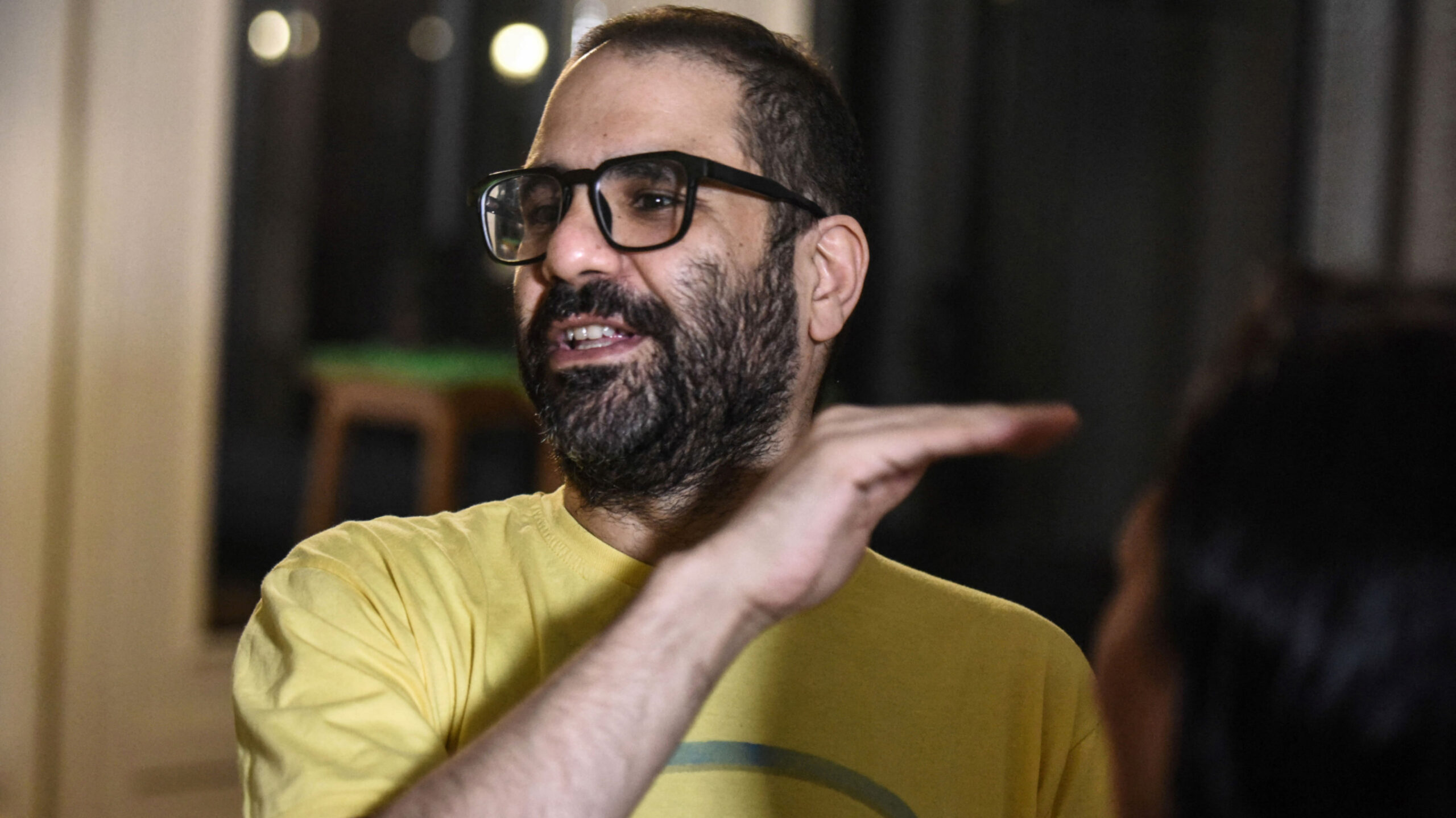
    Egyptian authorities have officially removed travel restrictions against prominent Egyptian-British political activist Alaa Abd el-Fattah, enabling his international movement following years of imprisonment. The development occurred after his legal representative, Khaled Ali, formally petitioned for the ban’s revocation.

    This decision follows President Abdel Fattah el-Sisi’s September 22 presidential pardon that secured Abd el-Fattah’s release from Wadi el-Natrun prison, a facility notorious for housing political detainees. The activist had endured nearly ten years of incarceration across multiple sentences.

    The 43-year-old dissident rose to prominence as a symbolic figure during the 2011 Arab Spring revolution that reshaped Egypt’s political landscape. His imprisonment commenced following the 2013 military coup that brought President el-Sisi to power.

    Despite the presidential pardon, Egyptian border officials previously prevented Abd el-Fattah from departing Cairo International Airport last month as he attempted to travel to Britain. The activist had been scheduled to accept the 2025 Courage Under Fire award at the Magnitsky Human Rights Awards ceremony in London.

    Abd el-Fattah’s history of opposition spans two decades, beginning in the early 2000s when Egyptian activists pioneered digital dissent through social media platforms. His legal troubles intensified in 2014 when he received a 15-year sentence for organizing unauthorized protests, later reduced to five years upon appeal.

    Following his 2019 release, Abd el-Fattah remained under state supervision until his re-arrest later that year on charges of disseminating false information—a common accusation against government critics in Egypt. He received an additional five-year sentence for these allegations.

    Two months prior to his release, a Cairo criminal court formally removed Abd el-Fattah from Egypt’s terrorism watchlist after investigations concluded he maintained no connections to the banned Muslim Brotherhood organization.

    This case occurs against the backdrop of Egypt’s extensive political detention system, where human rights organizations estimate over 60,000 political prisoners remain incarcerated under deteriorating conditions. According to Freedom House’s 2025 global index, Egypt ranks 18th among 100 nations evaluated for political rights and civil liberties, with higher numerical rankings indicating greater restrictions on freedom.

    Human Rights Watch has consistently characterized Egypt’s governance approach as employing “wholesale repression” that systematically detains and penalizes peaceful activists while effectively criminalizing dissent. The organization’s latest world report documented thousands of detainees held in prolonged pretrial detention or serving sentences from unjust judicial proceedings.

  • France will build a new aircraft carrier as it increases defense spending

    France will build a new aircraft carrier as it increases defense spending

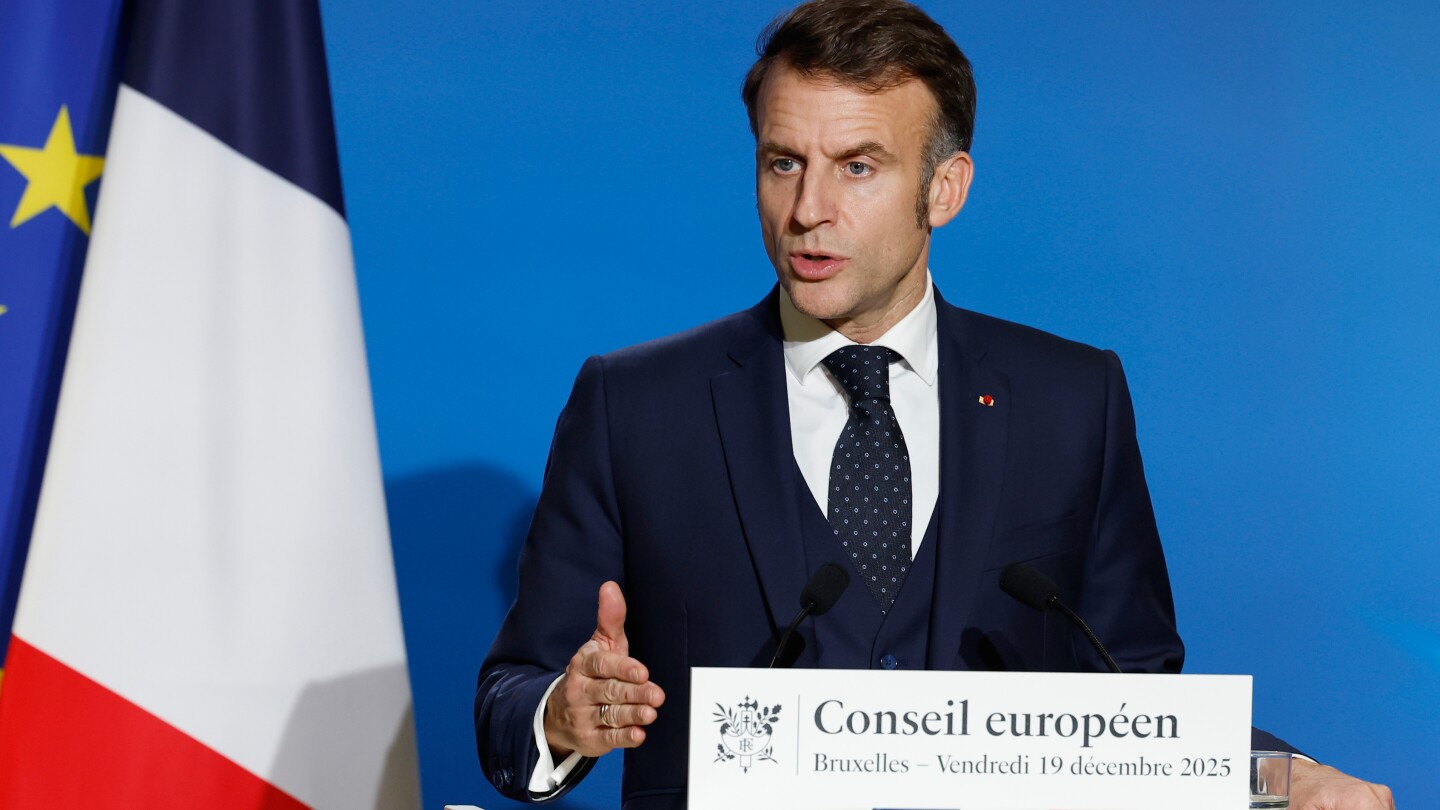
    French President Emmanuel Macron has unveiled ambitious plans for a next-generation nuclear aircraft carrier during his address to French troops stationed in Abu Dhabi on Sunday. The monumental defense project represents France’s strategic response to evolving global security challenges and reinforces its commitment to maritime superiority.

    The new vessel, scheduled for completion by 2038, will serve as the replacement for France’s current flagship, the Charles de Gaulle aircraft carrier that entered service in 2001. With specifications showcasing significant technological advancement, the future carrier will displace approximately 78,000 tons and extend 310 meters (1,017 feet) in length—marking a substantial increase from the Charles de Gaulle’s 42,000-ton displacement and 261-meter frame.

    While the French carrier will remain smaller than the United States’ USS Gerald Ford—the world’s largest warship at over 100,000 tons—it will maintain France’s distinctive nuclear propulsion capability and deploy advanced Rafale M fighter jets. The vessel is designed to accommodate up to 30 aircraft and support a crew of 2,000 personnel, enabling extended operational deployments with enhanced combat readiness.

    President Macron characterized the initiative as ‘the display of our nation’s power in the service of freedom on the seas,’ emphasizing that ‘in an age of predators, we must be strong in order to be feared, and especially strong at sea.’ The project aligns with France’s broader military modernization strategy, which includes increasing defense spending to 64 billion euros by 2027—doubling the budget from Macron’s initial term in 2017.

    The defense ministry confirms the carrier will provide rapid response capabilities for heavily armed, long-range missions with minimal preparation time. Economically, the program is expected to benefit hundreds of suppliers, predominantly small- and medium-sized enterprises, with Macron personally committing to oversee industrial partnerships during a scheduled shipyard visit in February.

    Financial projections from former Defense Minister Sébastien Lecornu (now Prime Minister) estimated the project cost at approximately 10 billion euros ($11.7 billion). This investment occurs alongside Macron’s announcement of an additional 6.5 billion euros ($7.6 billion) in military expenditures over the next two years, reinforcing France’s position as the European Union’s second-largest military force behind Poland.