博客

  • Dubai: Family restaurant Moreish to close doors after 7 years; community nostalgic

    Dubai: Family restaurant Moreish to close doors after 7 years; community nostalgic

    DUBAI – After seven years of operation, Moreish, a cherished family restaurant in Dubai, will permanently shutter its doors on January 18, 2026. The establishment announced its closure through emotional social media posts, citing evolving market conditions and personal readiness to “turn the page” as primary factors behind the decision.

    The restaurant’s management expressed profound gratitude to patrons while acknowledging the difficulty of their choice. “With the heaviest of hearts, we’ve decided it’s time to move on,” the statement read, emphasizing pride in their culinary standards and the meaningful connections forged with the community.

    Local residents responded with an outpouring of sentimental memories and expressions of loss. Patrons highlighted the restaurant’s cozy atmosphere and lovingly prepared dishes, with many sharing personal anecdotes of life milestones celebrated within its walls. The announcement triggered widespread nostalgia among both current and former Dubai residents, including those who made special visits to Moreish when returning to the city.

    In response to the closure, customers proposed alternative ways to preserve the restaurant’s legacy. Suggestions included recipe publications and exploring new culinary ventures that would allow the community continued access to their favorite dishes.

    During its final weeks of operation, Moreish extended an invitation to the public for one last dining experience, specifically mentioning two signature dishes – Polenta Steak and Grilled Peach Bruschetta – that would particularly miss their devoted clientele. The restaurant’s departure marks the end of an era for Dubai’s dining scene, reflecting the continuous evolution of the city’s culinary landscape amid rapidly changing market dynamics.

  • Australia falls silent, lights candles for Bondi Beach shooting victims

    Australia falls silent, lights candles for Bondi Beach shooting victims

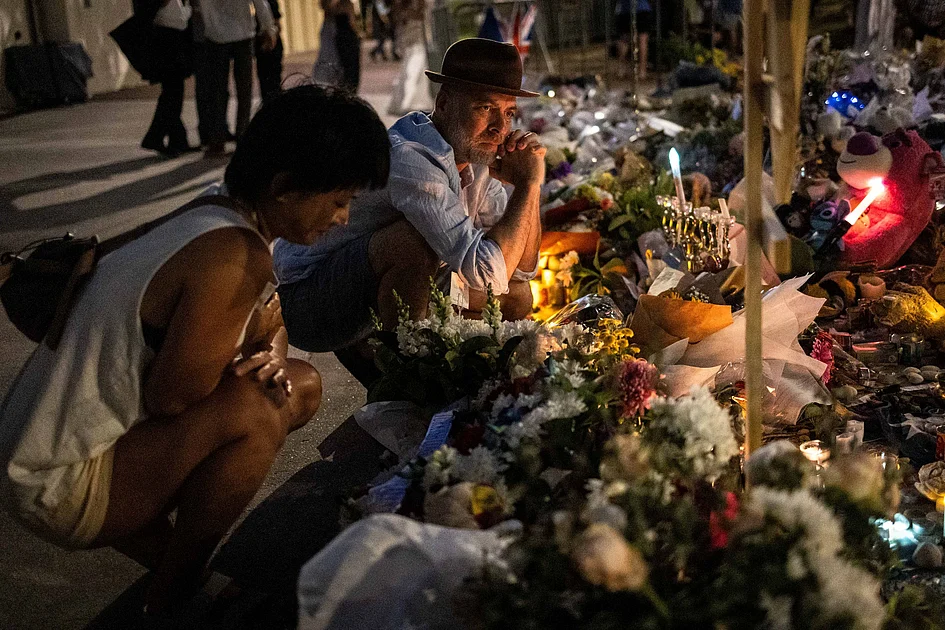
    Australia stood united in solemn remembrance on Sunday as citizens nationwide observed a moment of silence and illuminated candles to honor the fifteen lives lost in the devastating Bondi Beach shooting. The tragic incident, which occurred exactly one week prior during a Hanukkah celebration, represents the deadliest mass shooting the nation has witnessed in nearly three decades.

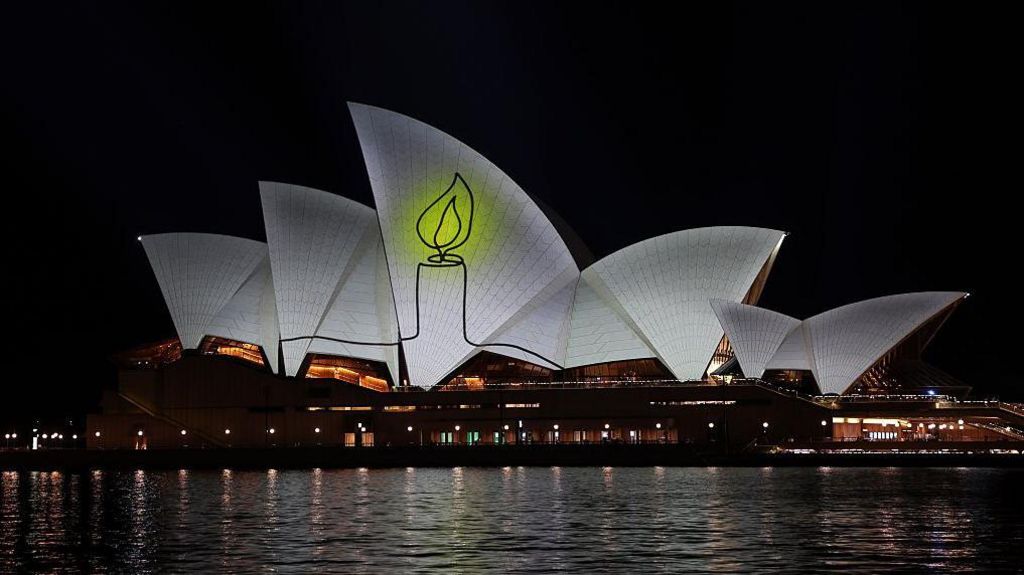
    At precisely 6:47 PM local time, the country fell silent—from vibrant urban centers to tranquil rural communities—marking the exact moment gunfire first erupted at the beachside festival. The nationwide gesture was accompanied by a powerful visual symbol as countless households placed candles on windowsills, embodying the Hanukkah theme of ‘light over darkness.’

    Approximately 20,000 mourners gathered along the Bondi foreshore as dusk descended, participating in an emotionally charged vigil where Rabbi Yehoram Ulman solemnly read the names of each victim. Among those memorialized were Matilda, a ten-year-old girl who became the youngest victim, and 87-year-old Holocaust survivor Alex Kleytman, who reportedly perished while shielding his wife from bullets.

    The alleged perpetrators—identified as Sajid Akram, an Indian national who entered Australia in 1998 and was subsequently killed by police, and Naveed, an Australian-born citizen currently hospitalized under police guard—face multiple charges including terrorism and fifteen counts of murder.

    While the ceremony emphasized unity and remembrance, underlying tensions surfaced regarding the government’s response to rising antisemitic incidents. Prime Minister Anthony Albanese faced audible dissent from portions of the crowd, with one individual shouting ‘Blood on your hands’ as he arrived at the vigil.

    Amid the tragedy, stories of extraordinary courage have emerged, including shopkeeper Ahmed al Ahmed, a Syrian immigrant and father of two, who successfully wrested a firearm from one attacker after maneuvering between vehicles. Additional accounts describe beachgoers confronting the heavily armed assailants, shielding strangers, and rushing through active gunfire to administer aid to the wounded.

  • How UAE weathered heavy rains with constant public alerts, drainage through the night

    How UAE weathered heavy rains with constant public alerts, drainage through the night

    The United Arab Emirates demonstrated exceptional crisis management capabilities during recent severe weather conditions that affected the nation over a two-day period. Through coordinated government action and advanced preparedness measures, authorities effectively minimized potential damage and ensured public safety despite heavy rainfall.

    Prior to the weather event, the National Centre of Meteorology provided consistent updates on developing conditions while municipal and civil defense agencies deployed specialized 4×4 vehicles and rescue equipment including hydraulic lifting systems, cutters, and advanced rescue technologies. Patrol and emergency teams maintained heightened vigilance, particularly in low-lying and vulnerable areas, to enhance response capabilities.

    The comprehensive approach included widespread emergency SMS alerts distributed to both residents and tourists, urging precautionary measures and adherence to official safety guidelines. This communication strategy echoed systems previously implemented during pandemic conditions, ensuring maximum public awareness.

    This weather response represented a significant evolution from the April 2024 rainstorm, which marked the most intense precipitation event recorded in 75 years with over 250mm falling within 24 hours. That historical event caused substantial infrastructure damage and property loss, prompting a fundamental reassessment of weather emergency protocols.

    Notable outcomes from the improved response included no major weather-related traffic fatalities or serious injuries reported during the recent event, though authorities continue investigating one unrelated expatriate death in Ras Al Khaimah. Recovery services noted substantially fewer distress calls compared to the 2024 floods, indicating improved public awareness and precautionary behavior.

    Emergency teams worked continuously through nighttime hours to clear drainage systems and manage flooded roadways. Dubai Police extended officer shifts and deployed approximately 70% of patrol and rescue resources across the emirate, including remote areas like Hatta. Authorities restricted access to hazardous locations including valleys, elevated terrain, and coastal areas while maintaining real-time coordination and field updates.

    The successful management highlighted the importance of early monitoring, clear public communication, and interagency cooperation. Media organizations played a crucial role in disseminating timely information and official announcements throughout the weather event.

    The UAE’s response demonstrates how structured preparedness, public trust, and collective effort can effectively mitigate natural challenges despite increasingly unpredictable weather patterns.

  • Israel’s Ben Gvir proposes prison ‘encircled by crocodiles’ for Palestinians

    Israel’s Ben Gvir proposes prison ‘encircled by crocodiles’ for Palestinians

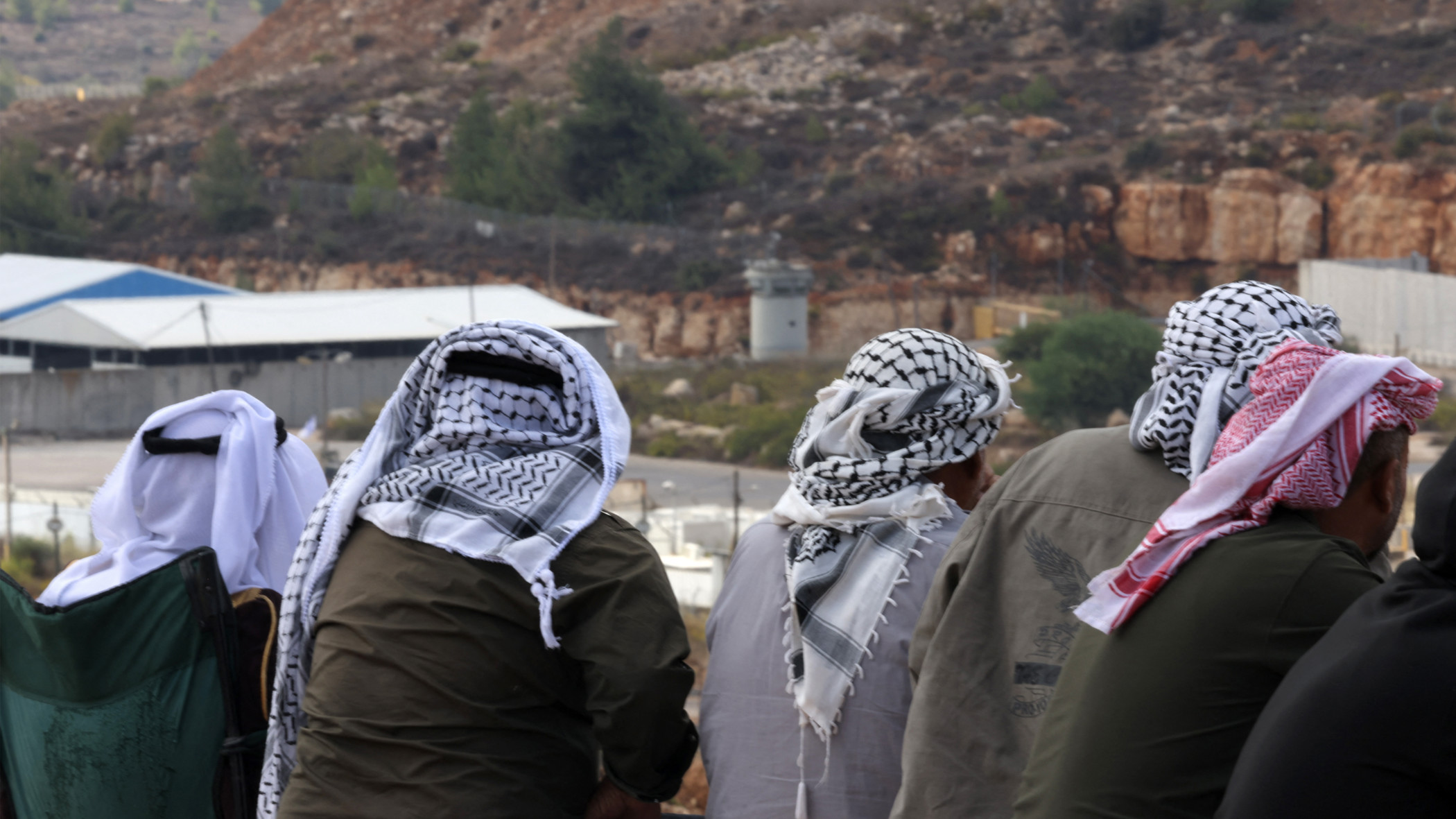
    Israel’s far-right National Security Minister Itamar Ben Gvir has sparked international controversy with an extraordinary proposal to construct a detention facility surrounded by crocodiles for Palestinian prisoners. Israeli media outlet Channel 13 reported the unusual concept, which is currently under review by the Israel Prison Service as a potential deterrent against jailbreak attempts.

    The proposed facility would reportedly be situated near Hamat Gader, a hot springs resort in northern Israel’s occupied Syrian Golan Heights. The location already maintains a controlled alligator habitat, with plans to introduce additional crocodiles within a securely fenced enclosure to prevent escapes.

    Human rights advocates have condemned the proposal as extreme and dehumanizing. Orly Noy, chair of Israeli human rights organization B’Tselem, described the plan as “another grotesque example of the cannibal stage in which Israel is at right now.” Noy expressed concern about escalating security measures, noting that despite decades of physical barriers, public sense of security continues to deteriorate.

    The controversial proposal emerges alongside legislative efforts by Ben Gvir to implement capital punishment for Palestinian prisoners. The death penalty bill, currently advancing through the Knesset, would mandate execution for Palestinians convicted of planning or carrying out attacks, particularly those involved in the October 7, 2023 incidents. Notably, the legislation contains provisions that would exempt Israelis who kill Palestinians under similar circumstances.

    The bill requires two additional parliamentary readings before becoming law, with one scheduled for the coming week. These developments reflect increasingly hardline approaches to security and detention within Israel’s current political landscape, drawing criticism from human rights organizations and raising concerns about the treatment of Palestinian detainees.

  • 130 schoolchildren and staff abducted in Nigeria last month have been released, police say

    130 schoolchildren and staff abducted in Nigeria last month have been released, police say

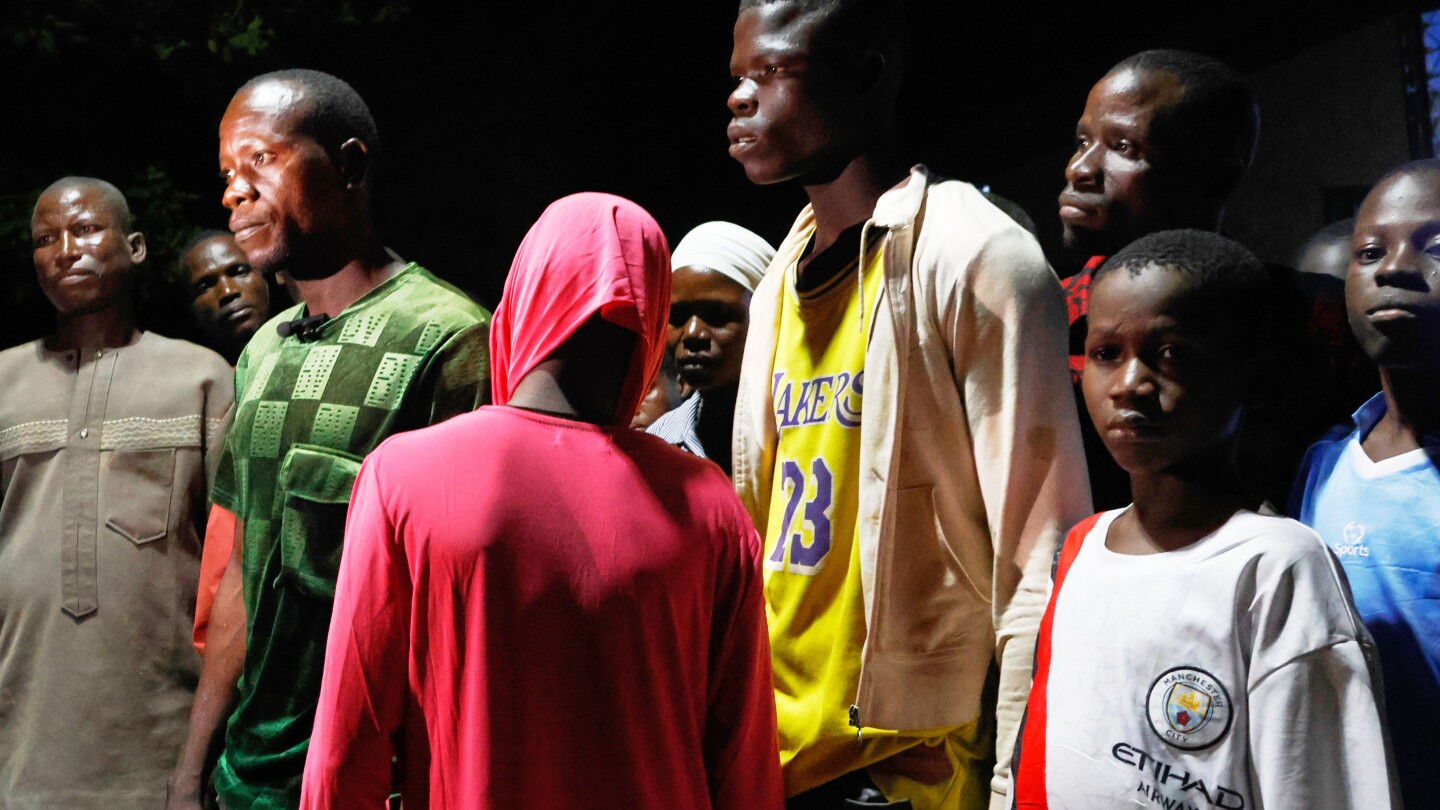
    ABUJA, Nigeria — In a significant development following weeks of uncertainty, Nigerian authorities have confirmed the successful liberation of the remaining 130 students and staff members who were held captive since their abduction from St. Mary’s Catholic School last month. The November 21st raid by armed gunmen in Niger state’s Papiri community had initially resulted in the capture of 303 students and 12 teachers.

    The resolution came through what presidential spokesperson Bayo Onanuga described as a “military intelligence driven operation” that culminated in the hostages’ release on Sunday. According to official statements from both police and government representatives, all formerly captive individuals are scheduled to reunite with their families in Minna, the state capital, ahead of Christmas celebrations.

    This incident represents one of the most severe mass abductions in Nigeria’s ongoing security crisis, though it follows a pattern of similar attacks targeting educational institutions and houses of worship. While no group has formally claimed responsibility, local communities attribute such kidnappings to armed gangs operating predominantly in Nigeria’s northern regions, where ransom-driven abductions have become increasingly prevalent.

    The coordinated response involved multiple government agencies, with Niger State police spokesperson Wasiu Abiodun verifying the release of “the remaining batch of abducted students.” Concurrently, Sunday Dare, another presidential spokesperson, asserted that no children remain in captivity following this operation.

    This successful resolution occurs against a backdrop of international scrutiny regarding Nigeria’s handling of security challenges, particularly those affecting religious communities and educational institutions.

  • A memorial ends – but Bondi tragedy has left Australia reeling, again

    A memorial ends – but Bondi tragedy has left Australia reeling, again

    The iconic Bondi Beach, long celebrated as Australia’s quintessential coastal paradise, now bears the scars of two unprecedented tragedies that have fundamentally challenged the nation’s perception of safety. Within just 18 months, this vibrant community has endured both the Westfield Bondi Junction stabbings in April and the recent Hanukkah festival shooting that claimed 15 lives, including a 10-year-old girl.

    The psychological impact on survivors and first responders has been profound. Mary, a UK expatriate who witnessed both attacks, describes experiencing ‘grim déjà vu’ as sirens descended on her suburb on December 14th. The first paramedic to confront the bloody scenes at the Chanukah by the Sea event had also been first on scene during the Westfield stabbings, with health officials describing injuries ‘like you would see in a war zone.’

    For Bondi’s substantial Jewish community, these events represent a devastating betrayal of what many considered a sanctuary. Holocaust survivors who sought refuge in Australia now find themselves confronting violent antisemitism in their twilight years. Clinical psychologist Zac Seidler, who had repeatedly assured his Holocaust-survivor grandparents of Australia’s safety, now admits feeling ‘like the fool’ as warnings about rising antisemitism went unheeded.

    The attack has triggered complex societal reactions. While thousands have demonstrated solidarity through blood donations, floral tributes, and ocean vigils, underlying tensions are calcifying into anger and division. Many Jewish Australians express fury at perceived government failures to address antisemitism, with Prime Minister Anthony Albanese facing public booing and resignation demands. The government has promised legislative crackdowns on ‘hateful’ chants and enhanced police powers.

    Yet within the grief exists remarkable stories of courage. Lifeguards risked their lives to protect others, restaurants hid people in freezers, and ordinary citizens administered first aid amidst the chaos. The father of Ahmed al Ahmed, who wrestled a gun from an attacker, lit the central menorah candle at a memorial service that defiantly proclaimed: ‘kindness is louder than hate.’

    As investigations continue into security failures and mental health system deficiencies, the community faces fundamental questions about preserving Australia’s multicultural fabric while addressing imported and homegrown extremism. The road to healing will require navigating complex truths about safety, tolerance, and the preservation of community spirit in the face of unprecedented violence.

  • Sustainable economy is being misrepresented as green

    Sustainable economy is being misrepresented as green

    In contemporary environmental policy discussions, the frequent conflation of ‘green economy’ with ‘sustainable economy’ represents a significant conceptual error with profound implications for global development practices. According to Dr. Abdullah Belhaif Alnuaimi, former UAE Minister for Climate Change and Environment, these terms possess fundamentally distinct meanings that extend far beyond semantic differences.

    The green economy paradigm, which gained prominence during the 2012 United Nations Conference on Sustainable Development in Rio de Janeiro, primarily emphasizes technological solutions including clean energy adoption, emission reduction strategies, and resource efficiency improvements. While environmentally relevant, this approach often neglects crucial social equity considerations, lacks comprehensive long-term perspective, and risks being deployed as superficial branding without substantive structural reform.

    In contrast, sustainable economy represents a holistic framework that integrates environmental protection with social inclusion, economic resilience, and intergenerational responsibility. This multidimensional concept redefines humanity’s relationship with nature beyond mere technical advancements, prioritizing both current needs and future generations’ capabilities while specifically addressing the essential requirements of the world’s impoverished populations.

    The political dimension of this terminology carries substantial consequences. The limited representational scope of ‘green’ terminology potentially obscures the absence of genuine justice or sustainability behind environmental facades, misleading policymakers and the public about the comprehensive transformations required. This linguistic imprecision shapes awareness and policy directions in ways that may undermine the cultural and social dimensions necessary for building truly resilient futures.

    Transitioning toward authentic sustainability demands fundamental shifts in governmental priorities, supported by policy reforms across energy, transportation, urban infrastructure, industrial, and agricultural sectors. While each nation will progress at different paces, the acquisition of resources, knowledge, and information remains critical for this transformation.

    Dr. Alnuaimi concludes that conceptual precision is ethically imperative during this era of profound environmental transformation. He recommends adopting more accurate terminology such as ‘integrated sustainable economy’ or ‘transformative economy’ to properly reflect the comprehensive nature of the required changes, emphasizing that green economy does not equate to sustainable economy.

  • In rebel-held Myanmar, civilians face devastating air strikes and a sham election

    In rebel-held Myanmar, civilians face devastating air strikes and a sham election

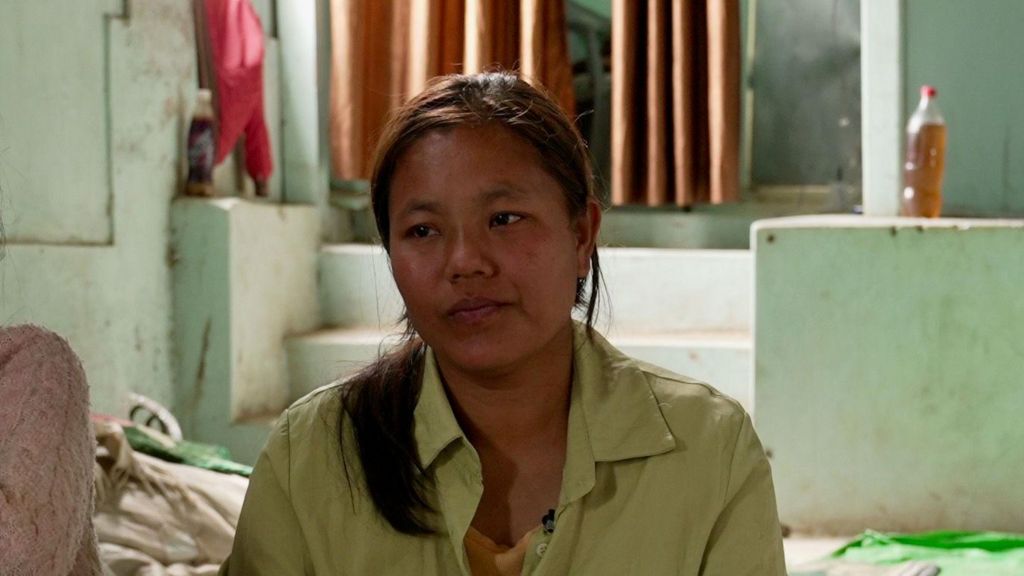
    In Myanmar’s western Chin State, a humanitarian catastrophe unfolds as thousands of civilians flee intensified military operations ahead of scheduled elections. Iang Za Kim, among those displaced, describes the terror of November 26 when airstrikes targeted her village of K-Haimual. ‘We thought the junta’s planes would bomb us too,’ she recounts, her voice trembling. ‘We grabbed what we could and ran into the jungles.’

    The military junta, which seized power in February 2021, has launched its most aggressive campaign in over three years to recapture rebel-held territories. The offensive combines aerial bombardments with ground operations, disproportionately affecting civilian infrastructure. According to the Chin Human Rights Organisation, at least three schools and six churches have been targeted since mid-September, resulting in 12 fatalities including six children.

    Verified evidence confirms the October 13 bombing of Vanha village school that killed two students—seven-year-old Johan Phun Lian Cung and twelve-year-old Zing Cer Mawi—during lessons. The military government has not responded to BBC’s inquiries regarding these allegations.

    Many displaced persons have crossed into India’s Mizoram state, finding temporary shelter in makeshift facilities like a repurposed badminton court in Vaphai village. Indian locals have provided basic sustenance, but conditions remain dire. Eighty-year-old Ral Uk Thang, having endured days in jungle shelters, states: ‘We’re afraid of our own government. They are extremely cruel.’

    The upcoming elections, scheduled to begin December 28, are widely condemned as illegitimate. With Aung San Suu Kyi’s National League for Democracy barred from participation and most senior leaders imprisoned, civilians fear forced voting under threat of imprisonment and torture. ‘If we voted for a party not allied with the military, I believe they will steal our votes,’ Iang Za Kim asserts.

    Rebel groups characterize the electoral process as a sham designed to perpetuate military dictatorship. Sui Khar, Vice Chairman of the Chin National Front, notes the contradiction: ‘In Chin State, they hardly control much area, so how can they hold an election?’

    The human cost extends to combatants as well. At a rebel base hospital, eighteen-year-old Abel lies incapacitated after losing his right leg and sustaining severe hand injuries during recent fighting. Nearby, nineteen-year-old Si Si Maung, also amputated, declares: ‘I’ve lost a leg, but even if I’ve to give up my life I’m happy to make the sacrifice so that future generations have a better life.’

    Despite the overwhelming military advantage—with hundreds of soldiers supported by airstrikes, artillery, and drone units—the resistance continues its advance. Yet for elderly civilians like Ral Uk Thang, hope diminishes: ‘I don’t think I will live to see democracy restored in Myanmar. I hope my children and grandchildren can witness it some day.’

  • Visa partners with Aldar to complete first end to end voice-enabled agentic payment in the region

    Visa partners with Aldar to complete first end to end voice-enabled agentic payment in the region

    In a groundbreaking development for digital payments, Visa has partnered with Abu Dhabi’s leading real estate developer Aldar to launch the region’s first fully voice-enabled AI agentic payment system. This landmark implementation of Visa Intelligent Commerce technology enables customers to complete real estate service charge payments through conversational AI interfaces on both the Live Aldar mobile application and corporate website.

    The innovative system, which went live with its first successful transaction using an Emirates NBD Darna Visa Credit Card, represents a significant advancement in autonomous payment technology. Customers can now authorize AI agents to handle routine financial transactions through a secure, consent-based process that confirms details and executes payments within seconds while maintaining full transparency and user control.

    This initial deployment focuses specifically on property service charges, with plans to expand functionality across additional payment categories throughout 2026. The integration leverages Visa’s Token Management Service to ensure maximum security through credential tokenization, protecting sensitive financial information while enabling AI-initiated transactions.

    Harry Nakichbandi, Aldar’s Chief Digital Officer, emphasized the customer-centric nature of the innovation: ‘By combining our AI agent with Visa’s intelligent commerce platform, we’ve transformed routine payments into secure, instantaneous experiences that build trust while removing friction from financial interactions.’

    The collaboration represents a strategic move toward autonomous commerce in the Middle East, with Visa’s Senior Vice President Godfrey Sullivan noting the implementation demonstrates how trusted, secure agent-initiated transactions can handle routine financial tasks on behalf of cardholders. Emirates NBD’s involvement further strengthens the ecosystem, extending the bank’s tokenized digital payment capabilities into this new era of agentic commerce.

    This pioneering initiative positions the UAE at the forefront of AI-powered financial services innovation, potentially setting new standards for convenience and security in digital transactions across the real estate sector and beyond.

  • Celebrated matchmaker Priya Shah announces exclusive consultations in Dubai

    Celebrated matchmaker Priya Shah announces exclusive consultations in Dubai

    Dubai’s elite matrimonial market is set to receive exclusive access to one of the world’s most distinguished matchmaking experts as Priya Shah announces her return to the emirate for limited consultations from December 26, 2025, to January 4, 2026. The pioneering matchmaker, with over three decades of industry experience, will offer her premium services to high-net-worth families, business leaders, and professionals seeking discreet, personalized matchmaking solutions.

    With a career spanning 34 years since 1991, Shah has established herself as a trusted authority in premium matchmaking, serving prominent NRI and HNI families, industrialists, CEOs, and global professionals across India, the Middle East, Europe, and North America. Her methodology combines deep cultural understanding with emotional intelligence, resulting in an exceptional track record of facilitating meaningful, lasting marriages.

    Dubai holds particular significance in Shah’s professional journey, with two decades of dedicated service to families across the UAE and wider Gulf region. Her commitment to privacy, precision, and personalized attention earned her dual recognition from the Dubai Government in 2025 for excellence in luxury matrimonial services and cross-border community relationship building.

    Beyond matchmaking, Shah founded India’s inaugural premium wedding publication, The Marriages of India, launched in 2004 with parliamentarian Hema Malini as chief guest. She is widely recognized for pioneering the ‘arranged love marriage’ concept, which harmoniously blends traditional values with modern compatibility assessment and emotional alignment.

    ‘Dubai feels like my second home,’ Shah remarked regarding her upcoming visit. ‘Families here have trusted me for years with their most important decisions. I provide absolute confidentiality, personal involvement in every match, and guidance not only for individuals but for entire families.’

    Her innovative approach merges human intuition with AI-powered compatibility tools, creating a contemporary framework that maintains cultural integrity. Due to the bespoke nature of her services, consultations during this period will be strictly limited and available exclusively through advance appointments.