博客

  • India’s jobs guarantee scheme: A global model under threat?

    India’s jobs guarantee scheme: A global model under threat?

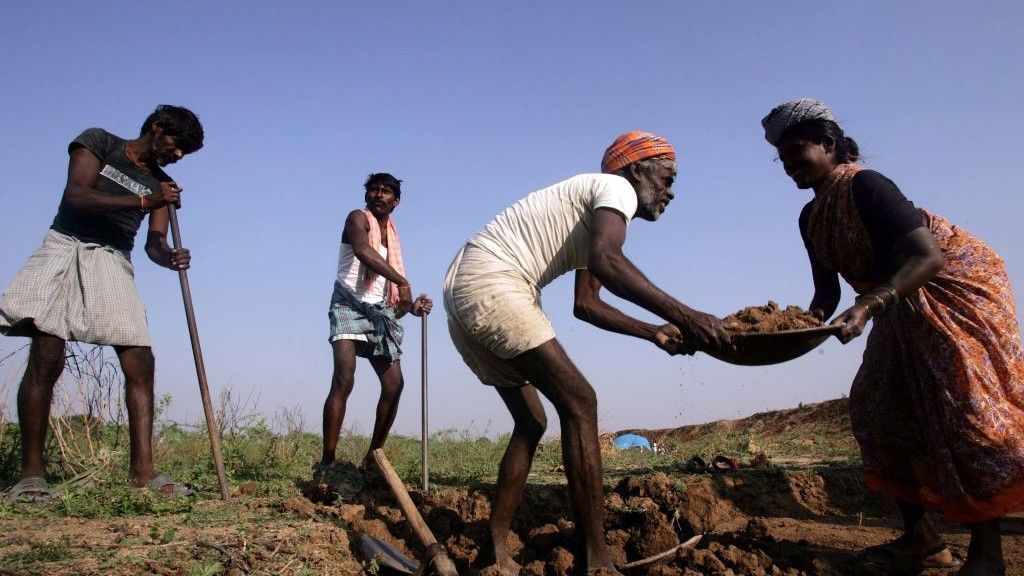
    India has enacted sweeping reforms to its landmark rural employment program, fundamentally altering both its financial structure and operational framework. The National Rural Employment Guarantee Scheme (NREGS), established in 2005 as a legal entitlement to 100 days of paid manual work for rural households, has been rebranded and restructured under the new GRAM G legislation.

    The revised program increases the guaranteed employment from 100 to 125 days annually per household while maintaining provisions for unemployment allowances when work isn’t provided within 15 days. However, the most significant change involves the funding mechanism: where the federal government previously covered 90% of costs, states must now contribute 40% of project expenses under a 60:40 split arrangement.

    This transformative social program serves as a critical economic stabilizer for rural India, where 65% of the nation’s 1.4 billion population resides and nearly half depend on agriculture—a sector contributing merely 16% to GDP. The scheme has demonstrated remarkable equity metrics, with women comprising over half of its 126 million workers and 40% originating from historically marginalized scheduled castes or tribes.

    The Modi administration frames the reforms as modernization efforts to enhance effectiveness and reduce corruption. Federal Agriculture Minister Shivraj Singh Chouhan asserts the legislation “stands firmly in favour of the poor, in support of progress, and in complete guarantee of employment for the workers.”

    Conversely, development economists, opposition parties, and international experts have raised substantial concerns. Critics argue the funding shift could undermine the program’s constitutional mandate, effectively transforming a legal right into a discretionary scheme. Development economist Jean Dreze characterizes the increased day guarantee as a “red herring,” noting that only 7% of households received the full 100 days of work in 2023-24.

    The program’s documented impacts remain substantial despite implementation challenges. Research indicates NREGS boosted beneficiary household earnings by 14% and reduced poverty by 26% through economy-wide effects. The scheme has particularly proven vital during crises, most notably during COVID-19 pandemic reverse migration events.

    Underlying these reforms persists India’s structural employment challenge: the chronic inability to generate sufficient non-farm jobs to absorb surplus rural labor. Recent economic analyses suggest rising labor participation rates may reflect economic distress rather than quality job creation, with increases concentrated in low-productivity subsistence work.

    The program’s future effectiveness hinges on navigating these complex financial, administrative, and structural challenges while preserving its core mission of supporting vulnerable rural populations.

  • Gates Foundation, UAE’s ADQ to invest $40 million for AI in education in Africa

    Gates Foundation, UAE’s ADQ to invest $40 million for AI in education in Africa

    In a landmark partnership announced during Abu Dhabi Finance Week, the Bill & Melinda Gates Foundation and Abu Dhabi’s strategic investment holding company ADQ have committed $40 million to harness artificial intelligence for educational transformation across sub-Saharan Africa. The four-year initiative, unveiled during a visit by Microsoft co-founder Bill Gates to the UAE, represents a concerted effort to address Africa’s critical learning deficit, where currently nine out of ten children lack basic literacy and numeracy skills by age ten.

    The collaboration will deploy two complementary mechanisms: the existing AI-for-Education global initiative, which develops practical AI-enabled learning models and provides governmental expertise, and the newly established EdTech and AI Fund. This multi-investor vehicle, scheduled for launch next year, will be the first dedicated fund specifically focused on national-level expansion of evidence-based interventions that enhance foundational learning. ADQ has pledged up to $20 million in matching funds to anchor the partnership.

    The timing of this investment is particularly significant as demographic projections indicate Africa will be home to one-third of the world’s youth population by 2050. Mohamed Hassan Alsuwaidi, Managing Director and CEO of ADQ, emphasized the strategic importance of digital infrastructure, stating that ‘the systems that support learning, data, and intelligent technologies are becoming equally important to national development’ alongside traditional physical assets.

    This initiative builds upon the Gates Foundation’s recent $240 million expansion of its Global Education Programme, which aims to support 15 million children across sub-Saharan Africa and India through evidence-based, cost-efficient solutions. The UAE brings to the partnership its demonstrated leadership in technological innovation and deployment capabilities, positioning the emirates as a key enabler of educational transformation in the Global South.

    Bill Gates acknowledged the UAE’s pioneering role, noting that ‘the UAE has shown leadership in using innovation to expand opportunity, and together we’ll build on that momentum to help children develop the foundational skills that shape their futures.’ The partnership represents a significant convergence of philanthropic vision and strategic investment aimed at creating sustainable, technology-driven educational ecosystems.

  • Japan urged to stop provocative moves

    Japan urged to stop provocative moves

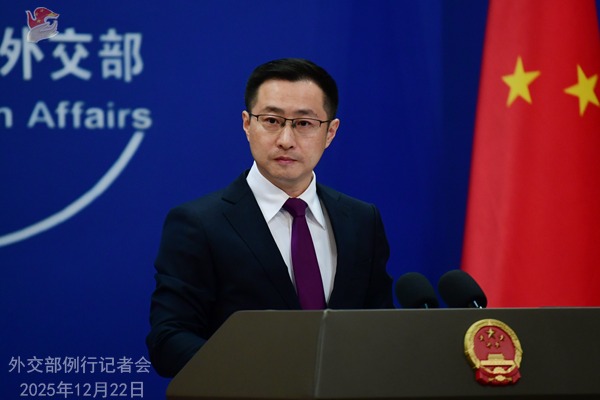
    China has issued a stern diplomatic warning to Japan regarding concerning statements from senior officials about potentially acquiring nuclear weapons, characterizing them as a dangerous provocation against the postwar international order. The remarks came during a regular press briefing by Foreign Ministry spokesman Lin Jian on Monday, December 22, 2025.

    Lin expressed profound shock at claims from a high-ranking Japanese official advocating for nuclear weapons possession and comments from Japan’s defense minister suggesting a review of the nation’s Three Non-Nuclear Principles. The spokesman emphasized that Japan, as a non-nuclear weapon party to the Treaty on the Non-Proliferation of Nuclear Weapons, bears unequivocal obligations under international law to refrain from receiving, manufacturing, acquiring, or transferring nuclear weapons.

    The Chinese spokesperson dismissed suggestions that these statements represented merely personal views, asserting they reveal alarming ambitions among Japan’s right-wing forces pursuing remilitarization. Lin warned that allowing these factions to develop powerful offensive weapons, including nuclear capabilities, would inevitably cause grave harm to the international community, echoing historical tragedies.

    In a related development, China simultaneously protested an unauthorized visit to Taiwan by a senior member of Japan’s ruling Liberal Democratic Party. Lin condemned this violation of the one-China principle, citing breaches of bilateral political documents and Japan’s own commitments to China. The spokesman demanded immediate corrective actions, including the retraction of what he termed erroneous remarks by Japanese Prime Minister Sanae Takaichi.

    Lin concluded that Taiwan’s Democratic Progressive Party authorities would find no success in seeking independence through alignment with Japanese interests, characterizing such efforts as disgraceful acts leading only to diplomatic dead ends.

  • Screams for help and panic as tourists rescued from fatal Laos ferry disaster

    Screams for help and panic as tourists rescued from fatal Laos ferry disaster

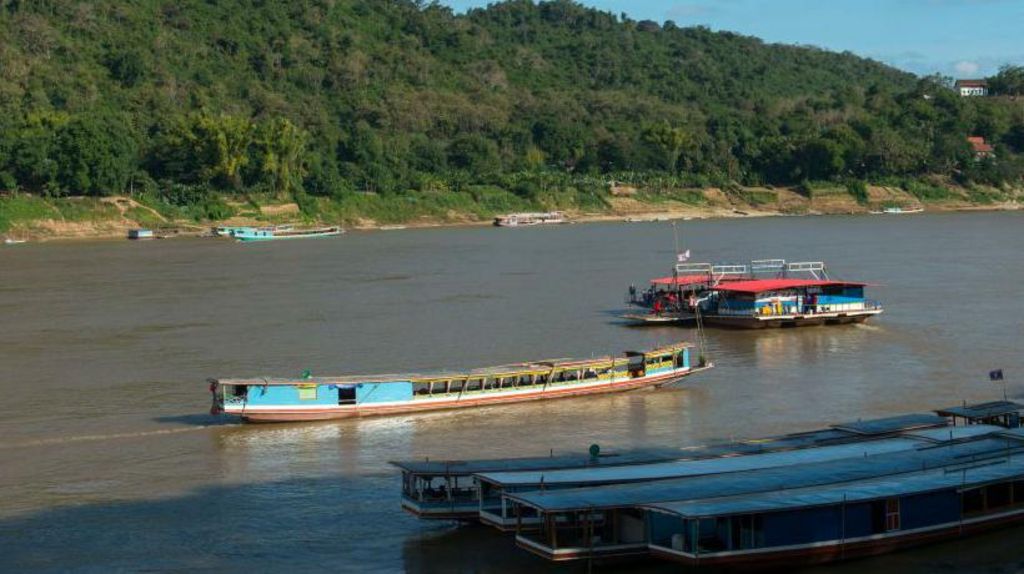
    A routine Mekong River ferry journey transformed into a life-threatening crisis last Thursday when a tourist vessel carrying 147 passengers struck submerged rocks and capsized near northern Laos. The incident, occurring along the popular route between Huay Xay and Luang Prabang, resulted in one confirmed fatality and two children remaining missing as rescue operations continue.

    Eyewitness accounts from surviving international tourists reveal alarming safety deficiencies aboard the vessel. French national Anthonin Levelu reported observing merely 15 life jackets available for the 118 tourists and 29 local passengers aboard. The insufficient safety equipment created panic as the boat rapidly took on water following the impact.

    British tourist Bradley Cook described the terrifying moments during evacuation: ‘As the rescue boat approached, passengers shifting weight accelerated the flooding process.’ The chaotic scenes were captured in viral videos showing desperate passengers screaming for help while attempting to salvage belongings before abandoning ship.

    The tragedy has highlighted persistent safety concerns along this vital tourism corridor. According to the Mekong River Commission, tens of thousands of travelers annually utilize slow boat and speedboat services along this 300-kilometer route. This incident mirrors a similar September 2023 capsizing that claimed three lives when a vessel entangled in fishing nets overturned in strong currents.

    Survivors now face psychological trauma and practical challenges. Mr. Cook, speaking from Vang Vieng, expressed his intention to pursue insurance claims for lost electronics and cash, though responsibility remains unclear. ‘I’m assuming it’s just a freak accident,’ he noted, while questioning the avoidability of the disaster.

    The Lao government has initiated investigations into the incident as the tourism industry confronts urgent safety reevaluations. The emotional toll on survivors continues, with many reporting ongoing distress despite the welcoming atmosphere of Laotian communities.

  • Shanxi ends province-wide blanket fireworks ban

    Shanxi ends province-wide blanket fireworks ban

    In a significant policy reversal, China’s Shanxi Province has officially terminated its comprehensive prohibition on fireworks and firecrackers, shifting toward regulated management that acknowledges both cultural traditions and safety concerns. The provincial government’s December 16 repeal eliminated 124 related documents, including a 2020 notice that had banned production, sale, storage, transportation, and use of fireworks throughout the province.

    The China Fireworks and Firecrackers Association has endorsed this policy shift, characterizing it as a transition from rigid prohibition to scientifically-grounded oversight. In an official statement, the national non-profit organization emphasized that this decision responds to public cultural needs during traditional festivals while demonstrating governmental effectiveness in balancing popular demand with safety considerations.

    Huang Chaxiang, Director of the National Fireworks and Firecrackers Standardization Technology Committee, noted that the policy adjustment better aligns with contemporary social realities and public expectations. “This approach reflects respect for traditional festive customs while creating opportunities for more refined governance,” Huang stated, adding that numerous major Chinese cities have recently adopted similar measured approaches including time restrictions, designated zones, and approved product categories.

    The local emergency management authority has established detailed regulations governing fireworks sales and supervision, operating under a licensing framework. Experts are advocating for additional supportive measures including industry development standards, implementation mechanisms for new regulations, and clear public communication regarding these changes.

    Beyond cultural significance, the fireworks industry represents a substantial economic sector with interconnected supply chains spanning paper manufacturing, chemical production, printing, logistics, hardware, packaging, and festival tourism.

    Public response remains divided, with some residents requesting clearer guidelines for orderly fireworks usage while others express safety and environmental concerns. Taiyuan resident Jing Zhimei, 31, welcomed the cultural revival but noted practical challenges: “I’m concerned about accessing quality products through legal channels and believe more public education is needed regarding injury and fire response.”

    International student Tabinda Noreen from Pakistan, studying at North University of China, expressed excitement about experiencing her first Spring Festival with traditional fireworks displays.

    The Shanxi fire department has announced heightened alert status during the Spring Festival period, urging residents to clear flammable materials, ensure complete extinguishment, and closely supervise minors. A revised national standard for fireworks safety and quality, introducing more detailed safety and pollution-reduction requirements, is scheduled to take effect on May 1, 2026.

    This policy change follows similar moves in parts of Henan Province, Anshan in Liaoning Province, and Foshan in Guangdong Province, which previously established conditional permissions for fireworks during designated periods and locations.

  • Tech park set to lift GBA’s development

    Tech park set to lift GBA’s development

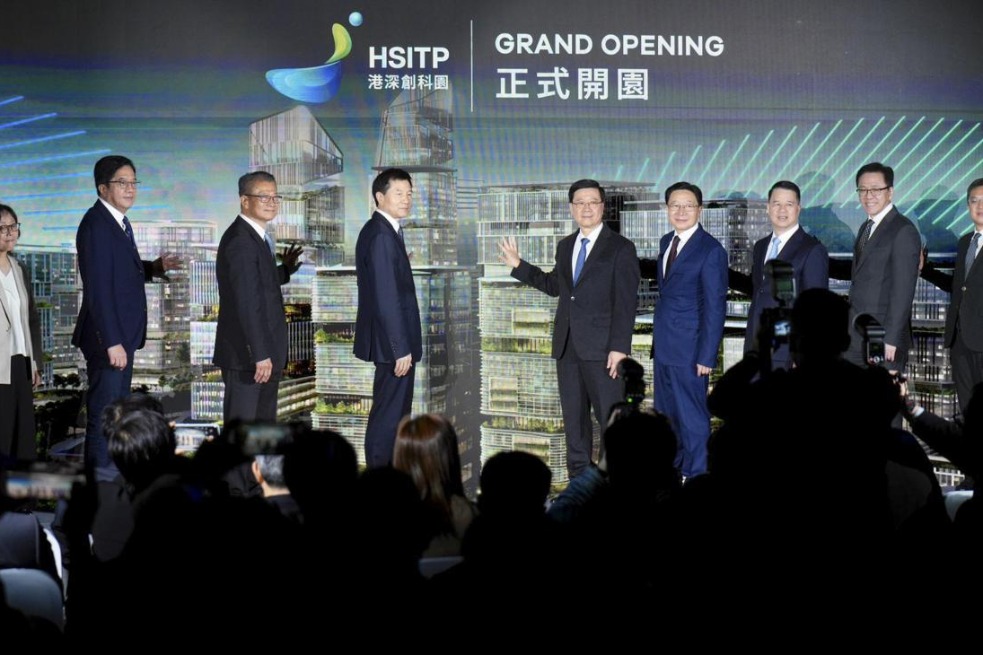
    Hong Kong has inaugurated the Hong Kong Park of the Hetao Shenzhen-Hong Kong Science and Technology Innovation Cooperation Zone, marking a significant milestone in regional technological integration. The ceremony, attended by Hong Kong SAR Chief Executive John Lee Ka-chiu and senior central government official Xu Qifang, highlighted the zone’s strategic role in fostering innovation synergy within the Guangdong-Hong Kong-Macao Greater Bay Area (GBA).

    The Hetao zone operates under the innovative ‘one zone, two parks’ framework, comprising an 87-hectare Hong Kong Park and a 300-hectare Shenzhen Park. Chief Executive Lee revealed that the initial phase’s first three buildings are fully operational, already housing over 60 enterprises from mainland China, Hong Kong, and international markets. These include specialized wet-laboratory facilities, residential accommodations, a biobank, and a data center.

    Future development plans indicate accelerated construction, with five additional buildings in the first stage scheduled for completion starting in 2027. The second-phase development will adopt a ‘public+private’ collaboration model, ultimately providing 2 million square meters of gross floor area—a 70% expansion beyond original projections.

    The cross-border innovation hub specifically targets strategic industries including life sciences and artificial intelligence, facilitating seamless research collaboration across the Shenzhen-Hong Kong boundary. Infrastructure enhancements include a newly commissioned footbridge across the Shenzhen River, enabling efficient movement of researchers between the two parks.

    Xu Qifang, representing China’s central government agencies, emphasized the project’s national significance in establishing Hong Kong as an international innovation hub while accelerating regional integration. The zone aims to create a world-class research nexus, offering domestic and international investors unprecedented opportunities in the GBA.

    Early tenant Yuanhua Tech, a Shenzhen-based robotics firm, reported immediate benefits from the cross-border arrangement. Company founder Lily Meng noted reduced transit times and increased international orders since establishing their global headquarters in Hong Kong, while calling for additional talent attraction policies to support continued growth.

  • UAE innovative policies strengthen new, circular economy pathways

    UAE innovative policies strengthen new, circular economy pathways

    The United Arab Emirates is systematically advancing its economic transformation through comprehensive policy measures designed to establish the nation as a global hub for sustainable business models. With 22 circular economy policies now operational across multiple sectors, the UAE is implementing concrete measures to revolutionize waste management, enhance nationwide recycling capabilities, and foster sustainable industrial practices.

    These policies encompass extended producer responsibility frameworks, sophisticated waste separation systems for residential and commercial sectors, and the creation of a national materials database. Additional measures regulate inter-emirate resource flows to optimize recycling investments and prevent plastic leakage into the environment.

    Abdullah bin Touq Al Marri, Minister of Economy and Tourism, articulated the strategic vision behind these developments, stating that the UAE is transitioning from a knowledge-based economy to a fundamentally new economic model. This transformation represents a core component of the ‘We the UAE 2031’ vision, which targets global leadership in the new economy within the coming decade.

    The ministry’s initiatives have yielded substantial results, with 56,000 companies and commercial licenses operating in new economy sectors by mid-2025. These span advanced technology, artificial intelligence, digital commerce, renewable energy, and financial technology.

    Legislative advancements have been equally significant, with ten key policies and laws updated or introduced, including the Law on Trading by Modern Technological Means and updated intellectual property protections.

    Concurrently, the UAE is developing specialized economic clusters, beginning with the food sector, which integrates agricultural production, food industries, and modern agricultural technologies within a unified ecosystem. This cluster already encompasses 40,486 registered national and international trademarks.

    The UAE Circular Economy Council is preparing a second policy package focused on green infrastructure development, circular water management, reverse logistics systems, and support for SMEs operating within circular economy frameworks. Additional initiatives target food waste reduction, sustainable agricultural management, expanded use of recycled materials, and advancements in sustainable transportation infrastructure, including electric vehicle charging systems and sustainable aviation fuel.

  • Vince Zampella, Call of Duty co-creator, dies in California car crash

    Vince Zampella, Call of Duty co-creator, dies in California car crash

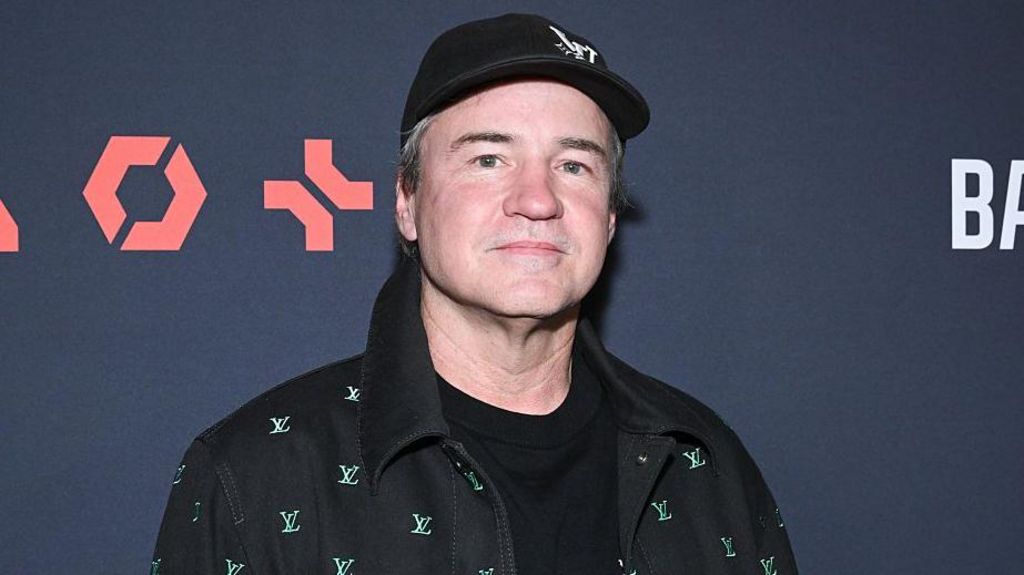
    The entertainment world was struck by tragedy this Sunday when Vince Zampella, the visionary co-creator of the groundbreaking Call of Duty franchise, perished in a high-speed vehicular accident in Los Angeles. The 55-year-old gaming pioneer was traveling in a Ferrari that dramatically veered off a California highway, collided with concrete barriers, and erupted in flames, according to official reports from the California Highway Patrol.

    Electronic Arts, parent company of Respawn Entertainment which Zampella co-established, confirmed the devastating news while expressing profound grief. ‘This represents an unimaginable loss that has reverberated throughout our organization,’ an EA spokesperson stated. ‘Our deepest sympathies extend to Vince’s family, friends, and the countless individuals worldwide whose lives he enriched through his extraordinary creative legacy.’

    Authorities reported that two individuals were present during the catastrophic incident—one occupant was ejected from the supercar while the other remained trapped within the burning wreckage. Investigation remains ongoing to determine the precise circumstances surrounding the accident and whether Zampella occupied the driver’s position.

    Zampella’s monumental impact on interactive entertainment began with his 2003 collaboration with Jason West to develop the original Call of Duty. Drawing inspiration from historical World War II narratives, their creation revolutionized military-themed gaming and achieved staggering commercial success with over 500 million copies sold. The franchise subsequently propelled Activision (now under Microsoft’s corporate umbrella) to unprecedented profitability and is currently being adapted into a live-action cinematic production.

    Beyond his signature achievement, Zampella’s innovative spirit fueled multiple successful franchises including Medal of Honor, Titanfall, and the battle royale phenomenon Apex Legends. Colleagues and industry observers consistently highlighted his player-centric philosophy and dedication to crafting immersive digital experiences. Keza MacDonald, video games editor at The Guardian, reflected: ‘His genuine passion for gameplay quality and player emotional engagement manifested clearly in every conversation. He possessed an extraordinary ability to translate creative vision into profoundly resonant entertainment.’

  • Mubadala invests €300m to Rezolv Energy, boosting UAE’s global renewable ambitions

    Mubadala invests €300m to Rezolv Energy, boosting UAE’s global renewable ambitions

    Abu Dhabi’s sovereign wealth fund Mubadala Investment Company has announced a strategic €300 million investment to partner with UK-based sustainable infrastructure investor Actis in Rezolv Energy, marking a significant expansion of its European renewable energy portfolio. This substantial financial commitment positions Mubadala as a joint controller of the rapidly growing clean energy platform operating across Central and Eastern Europe.

    Rezolv Energy, established by Actis in 2022, has rapidly emerged as a leading renewable developer in a region grappling with energy security challenges and increasingly stringent climate regulations. The platform currently maintains an impressive development pipeline featuring 750 megawatts of renewable projects under construction in Romania and Bulgaria, complemented by an additional 1.5 gigawatts of solar and wind capacity in advanced development stages. Among its flagship projects is the Dama solar facility in Romania, poised to become Europe’s largest solar power generation project upon completion.

    The investment represents a strategic alignment between Mubadala’s decarbonization objectives and Rezolv’s operational expertise. The platform’s leadership team brings over fifteen years of regional clean energy development experience, having previously developed landmark wind projects in Croatia, the Czech Republic, and Romania. Mubadala’s capital infusion, combined with Actis’s continued support, is expected to accelerate Rezolv’s expansion and solidify its position as a market-leading renewable producer.

    Saed Arar, Head of Infrastructure at Mubadala Real Assets, emphasized that the commitment reflects the fund’s strategy to build scalable real-asset platforms that enable the transition to a low-carbon economy. Rezolv CEO Alastair Hammond noted that Mubadala’s involvement would enable the company to pursue even more ambitious energy transition goals across Central and Eastern Europe.

    This investment forms part of Mubadala’s broader global renewable strategy, which includes significant positions in Tata Power’s renewables platform in India and Skyborn Renewables, the world’s largest private offshore wind developer. The EU’s recent regulatory approval of Mubadala’s joint control of Rezolv underscores the strategic importance of this partnership within Europe’s renewable energy market.

    The move simultaneously advances the UAE’s broader ambitions to expand its international economic influence, diversify beyond hydrocarbons, and position itself as a global leader in climate action and energy security solutions for emerging markets.

  • How Modi’s 3-nation visit is recalibrating India’s global posture

    How Modi’s 3-nation visit is recalibrating India’s global posture

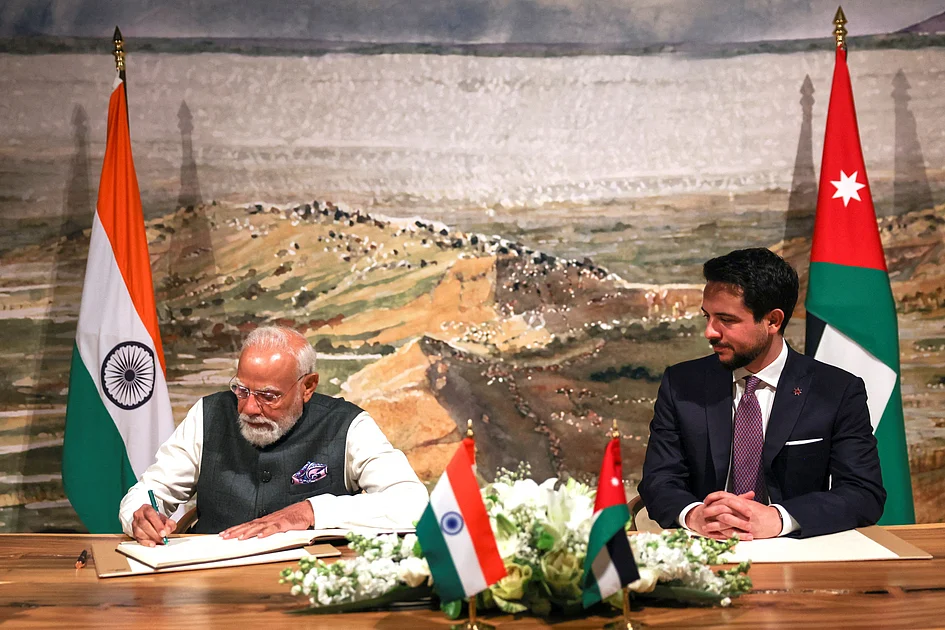
    Indian Prime Minister Narendra Modi’s recent three-nation tour through Jordan, Oman, and Ethiopia has signaled a significant evolution in India’s international positioning, demonstrating a nation confidently asserting its role as a global bridge-builder rather than aligning with rigid geopolitical blocs.

    The diplomatic journey, characterized by substantive engagements rather than ceremonial formalities, began with an unprecedented display of personal diplomacy in Jordan. Crown Prince Hussein Abdullah II, a 42nd-generation descendant of Prophet Muhammad, personally chauffeur-driven PM Modi to cultural sites and the airport—a gesture transcending conventional diplomatic protocols and symbolizing deepening bilateral trust.

    Jordan’s King Abdullah II provided robust endorsement of India’s economic ascent during the India-Jordan Business Forum, proposing an ambitious economic corridor leveraging Jordan’s strategic location and free trade agreements alongside India’s industrial capabilities. With current bilateral trade at $2.8 billion, Modi’s target of doubling this figure to $5 billion within five years reflects determined economic ambition. The nations expanded cooperation across renewable energy, water management—critical for water-scarce Jordan—digital infrastructure, and cultural exchange.

    In Oman, the visit yielded structural transformation through the landmark Comprehensive Economic Partnership Agreement (CEPA)—only Oman’s second such agreement in two decades, following one with the United States. The agreement grants zero-duty access on over 98% of Oman’s tariff lines, benefiting Indian textiles, gems, jewelry, engineering goods, pharmaceuticals, and automobiles while protecting sensitive sectors. The partnership enhances services trade, facilitates skilled professional mobility, and permits 100% foreign direct investment in major sectors, creating opportunities for Indian MSMEs, artisans, and women-led enterprises. Modi received the Order of Oman (First Class), joining recipients like Queen Elizabeth II and Nelson Mandela, marking the fifth GCC nation to confer its highest honor upon him.

    Ethiopia provided the philosophical dimension of the tour, where Modi addressed parliamentarians envisioning a world with equitable development, accessible technology, and respected sovereignty. Agreements covered education cooperation, counterterrorism collaboration, and establishment of a data center at Ethiopia’s Ministry of Foreign Affairs. Modi became the first foreign head of state to receive Ethiopia’s highest civilian honor, the Great Honor Nishan Ethiopia.

    The tri-nation mission demonstrates India’s strategic autonomy—a foreign policy approach that values-driven without being ideological, inclusive without being transactional, and confident without being confrontational. As Global South nations assert renewed influence, India positions itself as both an economic anchor and diplomatic bridge between Eastern and Western hemispheres, offering partnership, stability, and scale while maintaining independent strategic calculus.