博客

  • Go ski in Xinjiang

    Go ski in Xinjiang

    China Daily Information Co (CDIC) has established comprehensive intellectual property safeguards for its digital publications, prohibiting unauthorized republication of any content across its platforms. The company’s stringent copyright policy explicitly covers all multimedia materials, including textual articles and photographic imagery, requiring formal written consent from CDIC prior to any reuse.

    The publication maintains technical specifications recommending 1024*768 pixel resolution or higher for optimal viewing experience. CDIC operates under formal regulatory compliance, holding multimedia online publishing license 0108263 and official registration number 130349.

    Beyond content protection measures, China Daily facilitates multiple stakeholder engagement channels through dedicated sections for corporate advertising, general inquiries, and career opportunities. The organization additionally maintains specialized recruitment portals for expatriate professionals seeking employment in China.

    The media group encourages audience connectivity through integrated social media follow options, reinforcing its position as a comprehensive digital news provider operating within established legal and technical frameworks.

  • Gunmen abduct 28 Muslim travellers in central Nigeria

    Gunmen abduct 28 Muslim travellers in central Nigeria

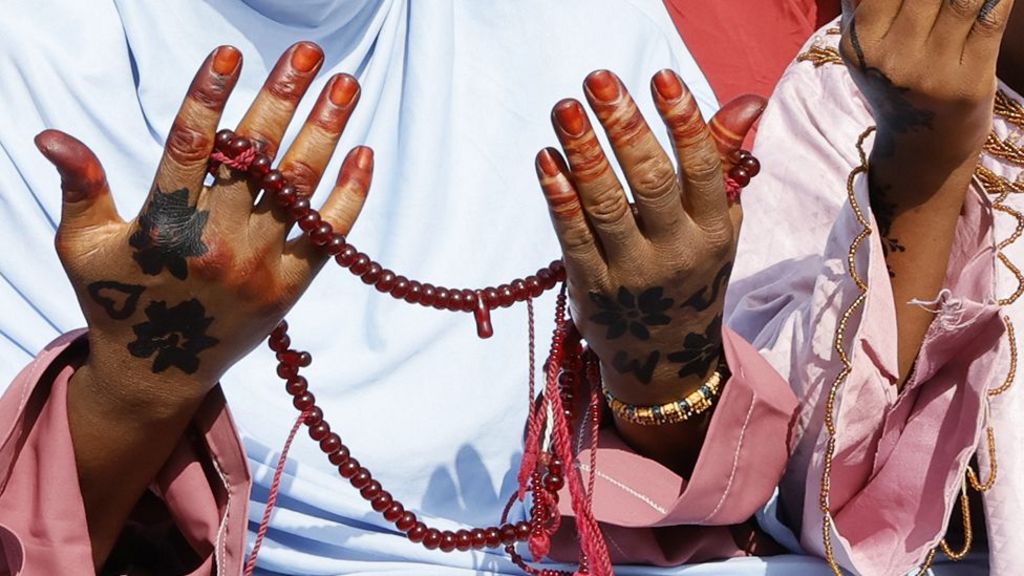
    In a troubling escalation of Nigeria’s security crisis, 28 individuals traveling to an annual Islamic gathering in central Plateau State were violently abducted by armed assailants on Sunday night, according to local sources reporting to the BBC. The victims, comprising women and children among other passengers, were ambushed while their bus traversed between rural villages.

    This latest incident occurs merely 24 hours after Nigerian authorities secured the release of 130 students and educators from a Catholic boarding school in Niger State, where they had been held captive since last month. A Plateau-based journalist confirmed that families of the newly kidnapped victims have already begun receiving ransom demands from the perpetrators, whose identities remain unknown. Official authorities have not yet issued any public statement regarding the abduction.

    Criminal factions referred to locally as ‘bandits’ have increasingly employed kidnapping-for-ransom as a primary revenue strategy throughout northern and central Nigeria. While official policy prohibits monetary payments to secure hostages’ freedom, such transactions have become the de facto resolution method in numerous cases, effectively bankrolling these criminal enterprises.

    Notably, security analysts emphasize that these bandit operations remain distinct from the protracted Islamist insurgency raging in Nigeria’s northeast, where jihadist organizations have engaged in armed conflict with government forces for over a decade.

    The persistent security challenges have drawn international scrutiny, particularly after controversial remarks from former US President Donald Trump in November threatened military intervention. Recent diplomatic engagements between Nigerian Information Minister Mohammed Idris and US officials have reportedly eased tensions, with Idris announcing that bilateral relations have been ‘largely resolved’ and strengthened.

    Concurrently, Nigeria’s federal government unveiled new security measures including the deployment of specially trained forest guards to secure remote areas and forest hideouts used by criminal organizations, augmenting existing military operations across affected regions.

  • Thousands turn out in Kabul to cheer on Afghanistan’s traditional buzkashi equestrian games

    Thousands turn out in Kabul to cheer on Afghanistan’s traditional buzkashi equestrian games

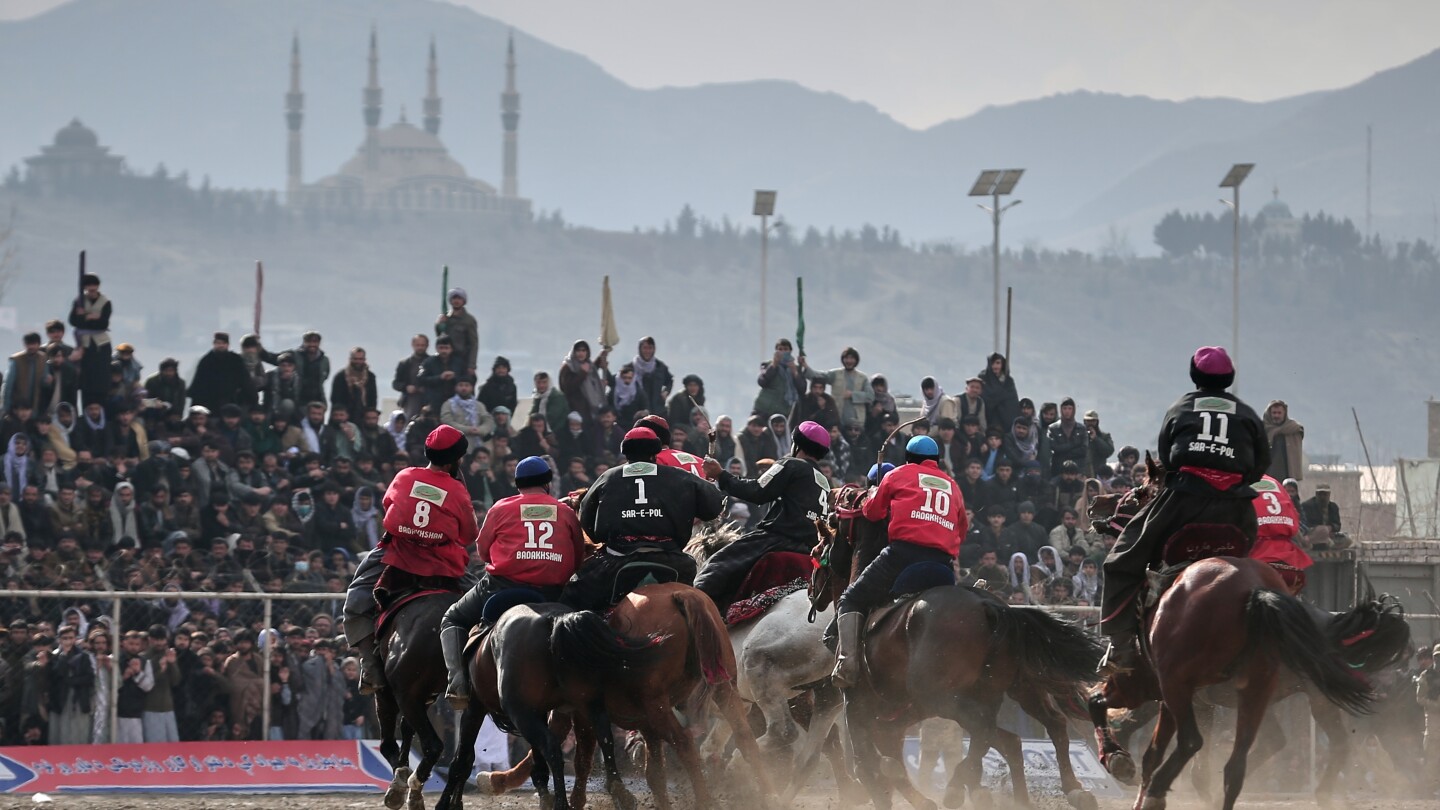
    KABUL, Afghanistan — Amid clouds of dust stirred by thundering hooves, Afghanistan’s ancient equestrian tradition of buzkashi reached its dramatic climax in a national championship final. The northern province of Sar-e-Pul emerged victorious with a decisive 7-0 triumph over Badakhshan province in a match that showcased both athletic prowess and cultural preservation.

    The brutal yet captivating sport, once banned during the Taliban’s previous regime, now operates with official sanction despite maintaining its characteristically violent scrums. Modern adaptations include replacing the traditional goat carcass with an artificial equivalent—crafted from leather and rope, then stuffed with straw and weights to mimic the original’s heft and dimensions.

    Twelve riders per team demonstrated extraordinary equestrian skill, leaning perilously from their saddles to seize the simulated carcass and break away toward scoring zones. The tournament’s organization reflects evolving support structures, with corporate sponsorship from a gasoline company providing funding for substantial prizes including vehicles for the top four teams alongside traditional cups and medals.

    Attendance revealed both the sport’s popularity and societal constraints: thousands of male spectators packed the Kabul arena, with some scaling trees and electricity pylons for better views. Notably absent were women, excluded under current Taliban restrictions that formalize previously informal social conventions regarding female attendance at such events.

    The international dimension expanded this year with eight professional players from Tajikistan and Kyrgyzstan participating, according to Atal Mashwani, spokesman for Afghanistan’s General Directorate of Physical Education and Sports. The 11-day national league tournament, now in its eleventh edition, represents both cultural continuity and changing political realities in contemporary Afghanistan.

  • Protest erupts in India’s capital city over lynching of Hindu man in Bangladesh

    Protest erupts in India’s capital city over lynching of Hindu man in Bangladesh

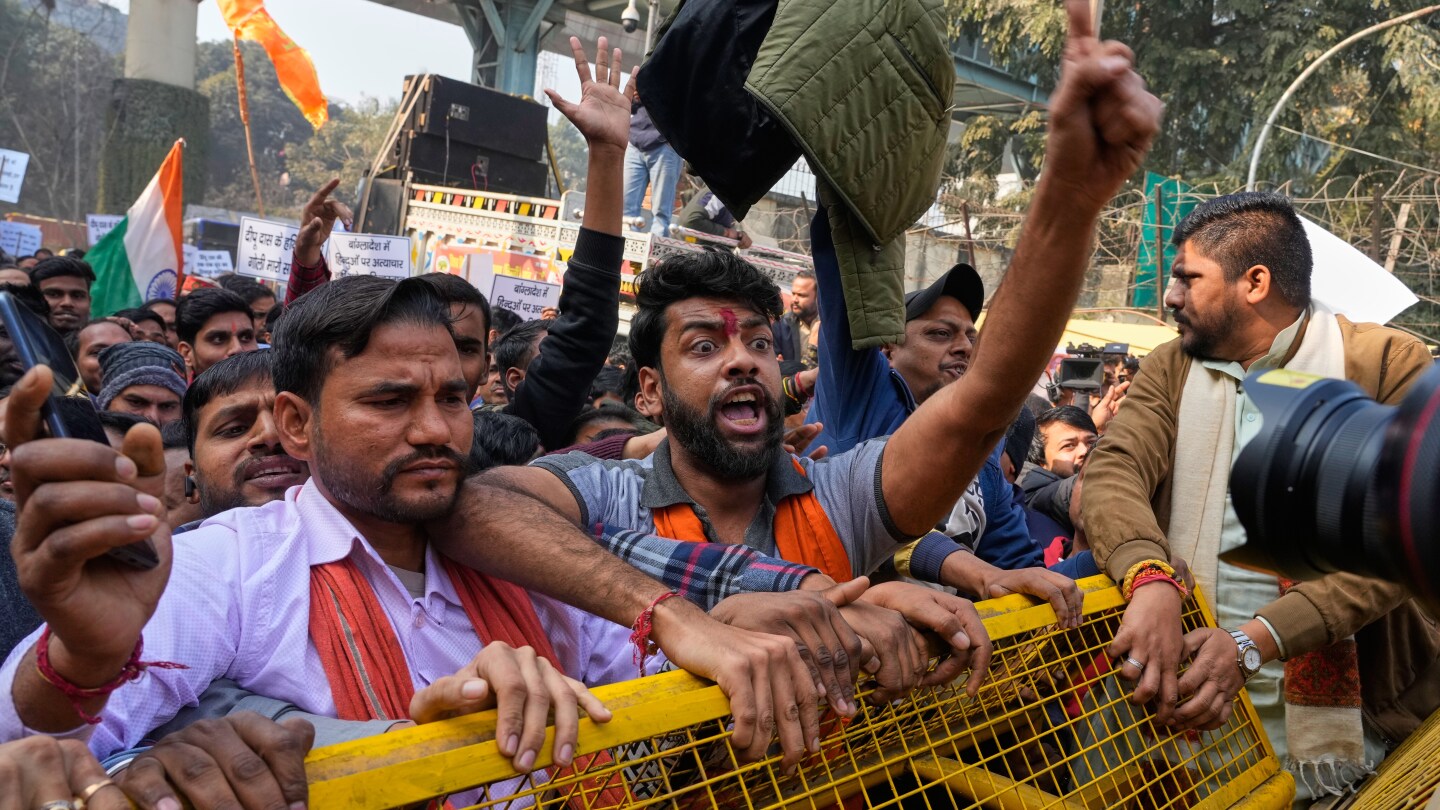
    New Delhi witnessed heightened tensions on Tuesday as Hindu nationalist groups staged vigorous protests near Bangladesh’s diplomatic mission, responding to the brutal lynching and immolation of a Hindu man in neighboring Bangladesh. This incident has exposed deepening fractures in a bilateral relationship traditionally regarded as a stabilizing force in South Asia.

    The demonstration, orchestrated primarily by the Vishva Hindu Parishad organization, saw hundreds of participants brandishing placards with messages such as “India will not tolerate torture of Hindus in Bangladesh” and “Our silence should not be mistaken as weakness.” Security forces responded with reinforced barricades and armored vehicles to contain the unrest.

    This diplomatic deterioration stems from two interconnected tragedies: the recent killing of 25-year-old Dipu Chandra Das over blasphemy allegations in Bangladesh’s Mymensingh district, and the earlier death of student leader Sharif Osman Hadi—a prominent critic of both India and former Prime Minister Sheikh Hasina. Hadi’s shooting death in December triggered retaliatory violence in Dhaka that included attacks on Indian diplomatic facilities and newspaper offices.

    The bilateral relationship has fundamentally shifted since the ouster of Hasina in August 2024, ending her 15-year administration that maintained strong ties with India. The current interim government under Nobel laureate Muhammad Yunus faces accusations from religious minorities alleging insufficient protection against growing violence.

    International affairs analyst Sreeram Sundar Chaulia warns this rupture threatens cooperation on trade, border management, and regional connectivity. “Opposing India and alleging Indian conspiracies of interference in Bangladesh are being done to harden a blatantly Islamist and non-inclusive path for the country,” Chaulia stated, noting potential economic repercussions including reduced development assistance and increased Chinese influence in Bangladesh.

    The diplomatic fallout has escalated through reciprocal summons of envoys, with Bangladesh expressing concerns about the security of its missions in New Delhi, Kolkata, and Agartala. This crisis marks a significant departure from the cooperative relationship that flourished under Hasina’s administration since 2009.

  • Launch of S. Korea’s 1st commercial space launch vehicle fails

    Launch of S. Korea’s 1st commercial space launch vehicle fails

    South Korea’s inaugural foray into the commercial space launch sector encountered a significant setback Tuesday when its Hanbit-Nano rocket failed shortly after liftoff from the Alcantara Space Center in Brazil. The launch vehicle, developed by private aerospace company Innospace, experienced an unspecified anomaly during its ascent that led to its presumed disintegration and explosion.

    The critical mission commenced at approximately 10:13 AM local time (0113 GMT) with the rocket lifting off successfully from the Brazilian launch facility. However, moments into the flight, telemetry data indicated abnormal performance, culminating in the complete loss of the vehicle. South Korean news agency Newsis reported the incident, noting that the spacecraft failed to achieve its intended trajectory.

    Innospace, which had positioned this launch as a milestone for South Korea’s commercial space capabilities, had not released an official statement regarding the failure at the time of initial reporting. The company’s silence following the incident has raised questions about the nature of the anomaly and potential implications for South Korea’s burgeoning private space industry.

    The unsuccessful debut represents more than just a technical failure—it marks a stumbling block for South Korea’s ambitions to compete in the rapidly expanding global commercial space market. The Hanbit-Nano project was envisioned as a demonstration of Korean technological prowess and a stepping stone toward more advanced launch capabilities.

    Space industry analysts are closely monitoring how Innospace will respond to this setback, particularly regarding investigation timelines, potential design modifications, and future launch schedules. The failure also highlights the inherent challenges and high-risk nature of space launch operations, even for established aerospace nations expanding into commercial ventures.

  • Crisis looms

    Crisis looms

    A comprehensive assessment by the Asian Development Bank reveals a severe water security crisis unfolding across Nepal, where excessive pumping operations are rapidly depleting groundwater reserves and causing traditional springs to vanish. The Asian Water Development Outlook 2025, published in December, documents how aquifers in the Kathmandu Valley have been critically diminished through overexploitation, while mountainous regions witness the complete disappearance of natural water sources.

    The study identifies multiple compounding threats: shallow aquifers face extreme stress resulting in seasonal shortages, while naturally occurring arsenic contaminants in alluvial sediments pose substantial public health hazards. Despite Nepal’s abundant natural water resources, merely 25% of citizens benefit from fully operational drinking water systems, creating a paradoxical situation of simultaneous abundance and scarcity.

    Infrastructure deficiencies, fragmented governance structures, and climate change impacts collectively hinder reliable and equitable water distribution. Although rural water accessibility has improved—with over 91% of households now utilizing piped or protected sources—approximately half still encounter contamination risks due to system failures and inadequate sanitation practices.

    Urban centers face escalating pressures with population growth exceeding 4.5% annually. Kathmandu residents receive water for only 3-4 hours every other day, with supply occasionally dropping to 30% of normal levels during flood-induced shutdowns of the Melamchi River system. This scarcity forces dependence on expensive alternatives including stored, filtered, and bottled water.

    Environmental degradation compounds the crisis: wastewater treatment remains virtually nonexistent (2.1% of wastewater and under 1% of fecal sludge receives treatment), while urban pollution, riverbed mining, and changing land-use patterns damage aquatic ecosystems. The Roshi River catchment in Kavre district exemplifies severe localized degradation following devastating 2024 floods.

    Governance challenges persist under Nepal’s federal structure, where seven provinces and 753 local governments share overlapping water mandates creating coordination gaps. The country scores merely 37 out of 100 on integrated water resource management indicators, significantly below regional averages and far from global targets.

    The report urgently calls for integrated watershed management, reforestation initiatives, and protection of groundwater recharge zones to counter this escalating national emergency.

  • Singaporean workers feel trapped over job mismatch

    Singaporean workers feel trapped over job mismatch

    Singapore’s labor market concludes 2025 with a profound disconnect between employee expectations and workplace realities, creating a workforce phenomenon experts term ‘job-hugging.’ Recent comprehensive surveys reveal that approximately 80% of Singaporean workers feel their actual job responsibilities significantly deviate from initial position descriptions, with most detecting this mismatch within their first three months of employment.

    The employment portal Seek, after surveying 500 employees and 300 employers between October and December 2025, identified concerning transparency gaps. Despite employers reporting increased compensation and benefits in response to 2024 workforce demands, employees cite blurred job scopes, compensation discrepancies, and cultural misalignment as primary dissatisfaction drivers.

    Chook Yuh Yng, Seek’s Director of Asia Sales, notes this disillusionment generates escalating mistrust toward employers. Concurrently, 90% of managers report new hires modify expectations shortly after onboarding, with nearly half of employees attributing these changes to mental health and wellbeing considerations.

    Singapore workers demonstrate notably lower confidence than Asia-Pacific counterparts regarding performance-based compensation advancement. Mercer’s regional research further indicates limited employee awareness regarding organizational career development pathways, substantially diminishing enthusiasm for acquiring new technological skills including artificial intelligence.

    Amid economic uncertainty and reduced hiring momentum, professionals increasingly adopt defensive employment strategies. Jessica Zhang, ADP’s Senior Vice-President for Asia-Pacific, observes: ‘Job-hugging represents a tangible reality. Beneath surface stability, professionals actively develop skills while monitoring market opportunities, awaiting optimal transition timing.’

    Recruitment specialists note candidates now conduct enhanced due diligence on prospective employers, prioritizing organizational stability against fears of restructuring scenarios where newest hires face ‘last in, first out’ vulnerabilities.

    The labor market shift accelerates transactional employment relationships, particularly among younger demographics. ManpowerGroup Singapore forecasts increased utilization of fractional workers for specialized short-term projects while maintaining core full-time staff for institutional knowledge preservation.

    Linda Teo, ManpowerGroup Singapore’s Country Manager, explains: ‘Economic volatility prompts employers to prioritize operational agility over fixed expenditures, making contingent talent strategically advantageous. Technological transformation simultaneously generates demand for niche expertise requiring rapid acquisition.’

    Workforce experts unanimously advocate enhanced employer-employee dialogue to bridge expectation gaps. As Chook emphasizes: ‘Singaporean employees frequently hesitate expressing concerns, while employers misinterpret silence as alignment. Transparent communication regarding needs and expectations becomes imperative for trust and retention.’

  • Trump says US will keep or sell oil seized from Venezuela

    Trump says US will keep or sell oil seized from Venezuela

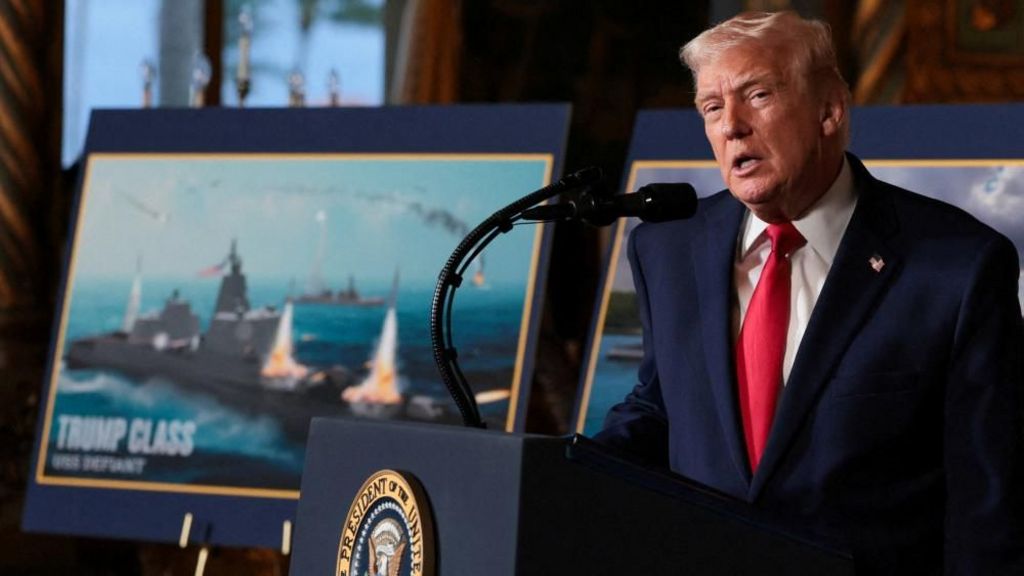
    President Donald Trump has declared the United States will retain or sell crude oil confiscated from tankers intercepted off Venezuela’s coast, escalating tensions with the Nicolás Maduro regime. The announcement came during a press briefing in Florida where Trump outlined multiple potential dispositions for the seized commodities, including potential allocation to the Strategic Petroleum Reserve.

    The Trump administration has intensified pressure on Caracas through maritime operations, seizing two oil tankers this month and actively pursuing a third vessel described as part of Venezuela’s ‘dark fleet’ designed to circumvent international sanctions. Washington alleges Venezuela utilizes oil revenue to fund narcotics trafficking operations, while Venezuelan authorities condemn the seizures as acts of ‘piracy’.

    In a significant escalation, U.S. Southern Command confirmed a lethal strike against a suspected trafficking vessel in international eastern Pacific waters, resulting in one fatality. Trump further indicated potential expansion of operations to land-based targets, warning traffickers they would ‘get blown to pieces’ if attempting overland routes.

    The economic pressure campaign has intensified with the designation of Maduro’s government as a Foreign Terrorist Organization and implementation of a naval blockade preventing sanctioned tankers from entering or leaving Venezuelan ports. These measures strike at the core of Venezuela’s oil-dependent economy, prompting Caracas to request an emergency UN Security Council session to address what it terms ‘ongoing U.S. aggression.’

    Maduro responded through state media, suggesting Trump should focus on domestic challenges rather than intervening in Venezuelan affairs. The confrontation represents the latest chapter in the prolonged political struggle between Washington and Caracas, with Trump having previously doubled rewards for information leading to Maduro’s capture.

  • Inner Mongolia Ice and Snow Naadam Festival opens in Hulunbuir

    Inner Mongolia Ice and Snow Naadam Festival opens in Hulunbuir

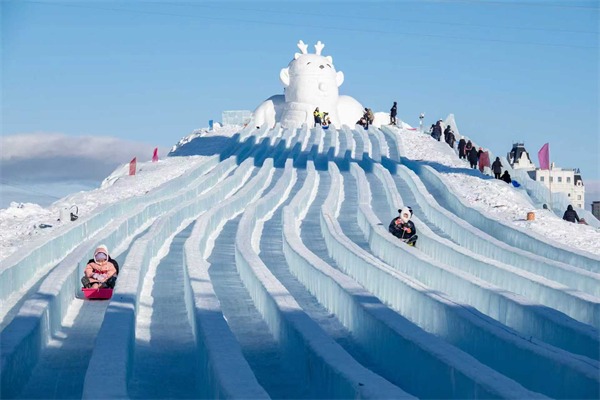
    Hulunbuir, Inner Mongolia Autonomous Region – The 21st Inner Mongolia Ice and Snow Naadam Festival commenced on December 21, transforming the frozen Yimin River into a spectacular winter tourism destination. This year’s edition marks a historic departure from tradition by utilizing the river’s icy surface as its primary venue for the first time, creating an unprecedented integration of cultural heritage and innovative tourism experiences.

    The expansive 70,000-square-meter festival grounds feature five distinct functional areas designed to immerse visitors in authentic Mongolian culture. These include traditional Mongolian yurt clusters, intricate ice sculpture photography spots, professional travel photography zones, a vibrant food market showcasing local cuisine, and interactive herdsmen experience areas. The festival’s architectural elements incorporate snow-constructed stages, forest-themed wooden cabins, thermally insulated yurts, and a unique 360-degree circular ice stage adorned with elaborate snowflake patterns.

    Complementing the main venue, the adjacent ‘Rongrong Snow World’ creates a comprehensive winter tourism circuit offering diverse snow and ice activities. Hulunbuir’s geographical advantages – including an extended snow season, premium snow quality, varied topography, and rich cultural heritage – have established the region as a premier winter tourism destination within Inner Mongolia and across China. The successful hosting of twenty consecutive Ice and Snow Naadam Festivals demonstrates the region’s growing prominence in winter tourism.

    The opening ceremonies featured vibrant cultural performances including traditional dance on ice and intangible cultural heritage parades, attracting substantial domestic and international visitor attendance. This fusion of traditional Naadam elements with innovative winter tourism approaches represents a significant advancement in cultural tourism integration, offering both economic benefits to the region and unique cultural experiences to visitors.

  • Tanker seized off Venezuelan coast sparks international outcry

    Tanker seized off Venezuelan coast sparks international outcry

    A dramatic escalation in Caribbean waters has ignited international controversy as United States Coast Guard forces intercepted multiple oil tankers operating near Venezuela. The latest seizure occurred on Saturday when US authorities boarded a vessel in international waters, alleging it operated under false flags as part of Venezuela’s ‘shadow fleet’ transporting sanctioned oil.

    The White House justified these actions as necessary measures against what it describes as illicit oil trafficking that funds ‘narco-terrorism’ in the region. US Homeland Security Secretary Kristi Noem affirmed the administration’s commitment to continuing these interceptions, while President Donald Trump has ordered a comprehensive blockade against sanctioned vessels traveling to or from Venezuelan ports.

    China has emerged as a vocal critic of these operations, with Foreign Ministry spokesman Lin Jian condemning the seizures as violations of international law during a Monday press briefing. Beijing maintains strong opposition to unilateral sanctions lacking UN Security Council authorization and rejects actions that compromise other nations’ sovereignty and security.

    The Venezuelan government has denounced the seizures as ‘blatant theft and acts of international piracy,’ vowing that these actions will not go unpunished. Official statements from Caracas have highlighted concerns about the ‘enforced disappearance’ of crew members aboard intercepted vessels.

    Regional response has been notably critical, with Brazilian President Luiz Inacio Lula da Silva warning that armed intervention in Venezuela would create ‘a humanitarian catastrophe for the hemisphere.’ Multiple Latin American nations and regional organizations have called for diplomatic solutions through United Nations channels.

    The strategic significance of these operations is underscored by Venezuela’s status as holder of the world’s largest proven oil reserves, exporting approximately 770,000 barrels daily. Each seized tanker was reportedly carrying around one million barrels of crude oil.

    This maritime confrontation occurs against a substantial US military buildup in the Caribbean, including 15,000 personnel, 11 warships featuring the aircraft carrier USS Gerald R. Ford, and multiple support vessels. Since September, US forces have sunk over 28 vessels allegedly transporting drugs in Caribbean and eastern Pacific waters, resulting in more than 100 fatalities.

    Analysts suggest these developments represent not merely economic enforcement but potentially broader geopolitical objectives, with critics alleging the Trump administration may be using naval blockades to precipitate governmental change in Venezuela or create pretexts for military engagement.