China is rapidly transforming into a global magnet for scientific talent, attracting overseas researchers through unprecedented funding resources and expanding research capabilities. While government initiatives like the Thousand Talents Plan have historically targeted top-tier experts, the country’s academic institutions are now independently drawing early-career scientists seeking advanced facilities and rapid innovation cycles.
Interviews with international scholars reveal a significant shift in perception. Mejed Jebali, an AI researcher from Tunisia at Shanghai Jiao Tong University, noted the remarkable pace of development: “The scale of the research and how fast things get built is really amazing.” This sentiment is echoed across disciplines, from materials science to medical research, where China’s investment in strategically important fields like artificial intelligence and quantum computing creates compelling opportunities.
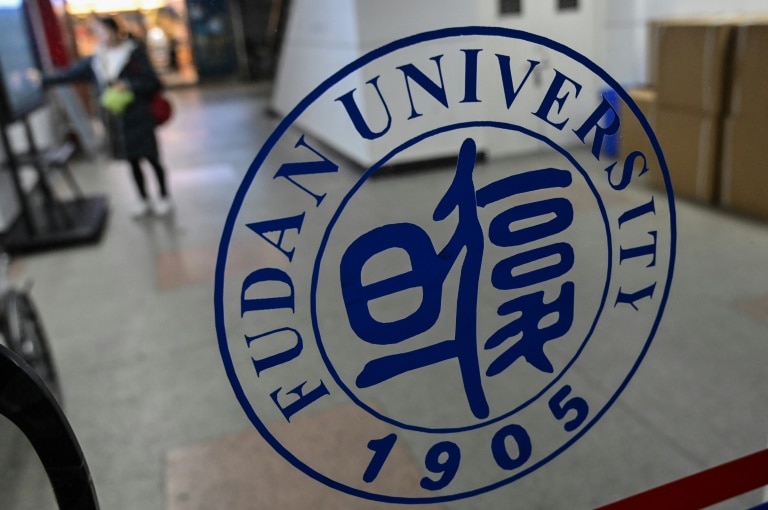
Statistical evidence supports this trend. Although no official database exists, at least 20 prominent STEM experts have relocated to Chinese institutions in the past year alone. Notable transitions include cancer specialist Feng Gensheng leaving a tenured position at the University of California for Shenzhen Bay Laboratory, and German medical scientist Roland Eils taking a part-time role at Fudan University.
Professor Futao Huang of Japan’s Hiroshima University observes: “A significantly greater number of overseas scientists—particularly those of Chinese origin—have returned to work in China compared with around 10 years ago.” This reverse brain drain is accelerated by both pull factors (abundant resources, market access) and push factors (increasing research security regulations and visa scrutiny in Western nations).
China’s academic quality has reached global parity, with Nature Index data showing four of the top five research institutions in natural and health sciences are now Chinese. This represents a dramatic reversal from historical Western dominance. Insect migration expert Jason Chapman, recently seconded to Nanjing Agricultural University, acknowledged: “I wouldn’t have done it 15 years ago,” but now finds the funding and support “far more than available overseas.”
Despite these advantages, challenges persist regarding academic freedom, geopolitical tensions, and cultural adaptation. Researchers note concerns about collaboration restrictions with military-linked institutions and must navigate different academic social structures. However, for motivated scientists seeking to advance their research programs, China presents an increasingly attractive proposition in the global scientific landscape.