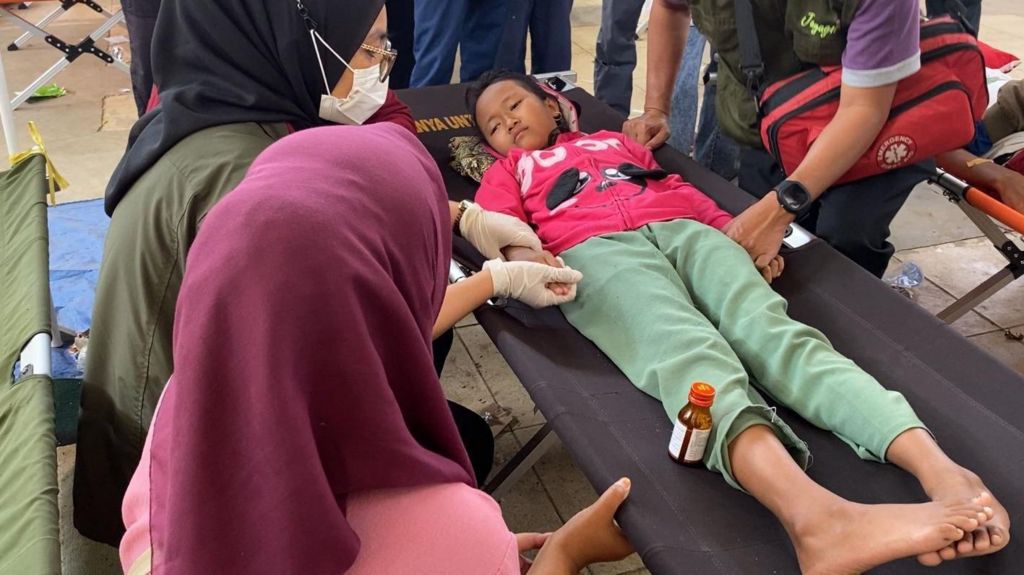
Indonesia’s ambitious free school lunch program, a flagship initiative of President Prabowo Subianto, has come under intense scrutiny following a series of mass food poisoning incidents affecting thousands of children. Since its launch in January, the program, which aims to provide nutritious meals to 80 million students, has been marred by health and safety concerns, sparking calls for its suspension. Authorities reported over 1,000 cases of food poisoning this week alone, adding to a growing tally that has seen more than 6,400 children fall ill since the program’s inception. Symptoms among victims include stomach aches, dizziness, nausea, and even shortness of breath, raising alarms about the quality and preparation of the meals. The National Nutrition Agency attributed a recent outbreak in Cipongkor to a technical error by the Nutrition Fulfillment Service Unit, which has since been suspended. Critics, including non-governmental organizations, have urged the government to halt the program temporarily for a thorough evaluation, with some proposing alternative solutions such as direct funding to parents. Despite the backlash, the government has reaffirmed its commitment to the initiative, citing its potential to combat malnutrition and stunting among children. However, experts warn that the program’s massive $28 billion budget could also make it a target for corruption, further complicating its implementation. As Indonesia grapples with these challenges, the future of its free school lunch program remains uncertain.