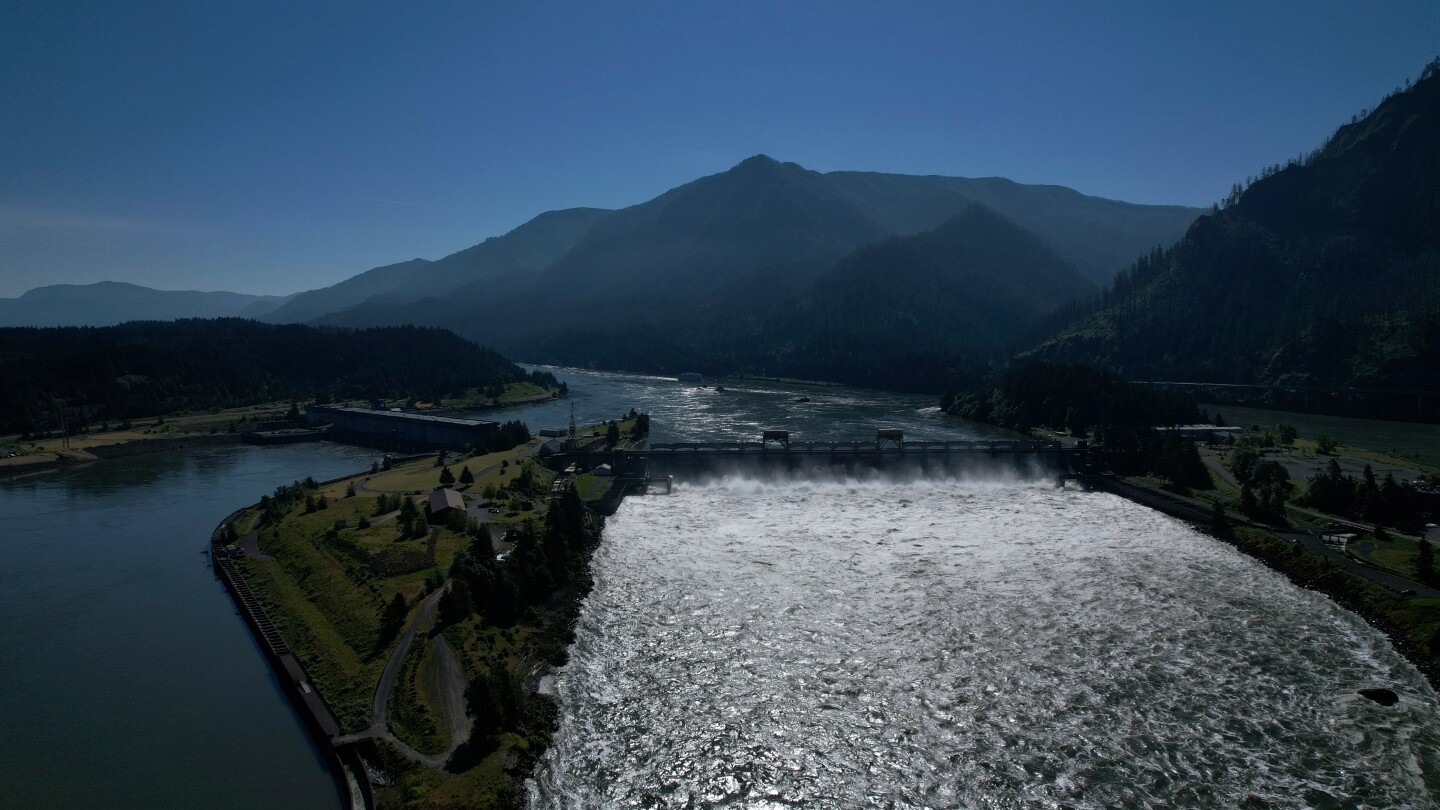
In a renewed effort to protect dwindling salmon populations, conservationists and the state of Oregon have petitioned a federal court to modify dam operations on the lower Snake and Columbia Rivers. The motion, filed in the U.S. District Court, seeks adjustments such as lowering reservoir water levels and increasing spill rates to facilitate safer and faster fish passage. These measures aim to help juvenile salmon bypass turbines and navigate the dams more effectively. The plaintiffs, including the National Wildlife Federation, are targeting eight dams managed by federal agencies like the National Marine Fisheries Service and the U.S. Army Corps of Engineers. However, attempts to obtain comments from federal representatives were hindered by the ongoing government shutdown. The legal battle, reignited after the Trump administration withdrew from the Resilient Columbia Basin Agreement in June 2023, underscores the tension between environmental conservation and economic interests. The $1 billion agreement, hailed as historic by the Biden administration and tribal groups, had temporarily paused litigation and aimed to restore salmon populations in the Pacific Northwest. Critics, including the Inland Ports and Navigation Group, argue that proposed changes could disrupt commerce and harm regional economies. Meanwhile, advocates emphasize the cultural, ecological, and economic significance of salmon, which are central to the identity of Native American tribes and the broader ecosystem. The dams in question, including Ice Harbor and Bonneville, have long been a source of hydropower and navigation but are also blamed for the decline of salmon species, four of which are now extinct and seven listed as endangered.
Oregon and conservationists ask court to OK dam operation changes to help salmon