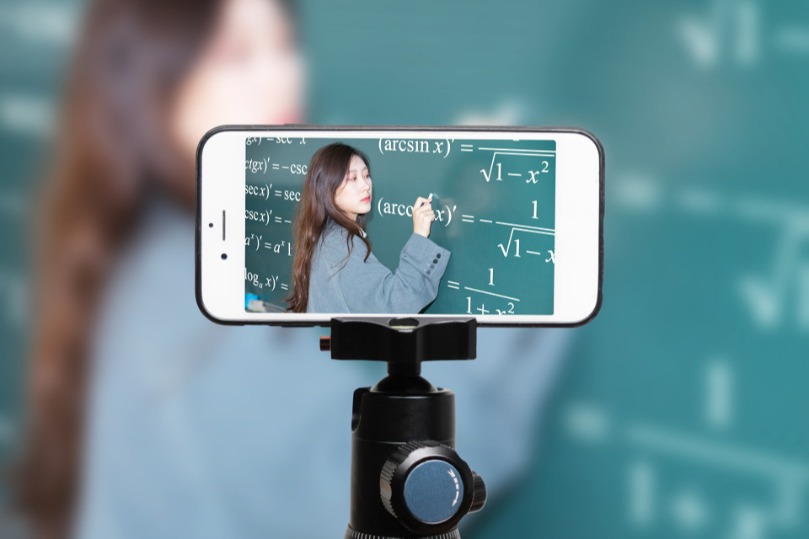
China’s educational landscape faces a new digital frontier as educators increasingly transition from traditional classrooms to becoming viral content creators on short-video platforms. This emerging phenomenon has sparked intense national debate regarding professional ethics, student protections, and the very definition of teaching in the digital age.
Across platforms like Douyin, numerous accounts self-identifying as ‘experienced teachers’ have amassed substantial followings through content ranging from subject tutorials to classroom comedy skits. These teacher-influencers often simultaneously operate merchandise windows promoting educational materials and consumer products, creating a complex intersection between education and commerce.
The practice has raised significant concerns among education experts and the public alike. Documented cases include educators filming classroom content during instructional hours, featuring students as unpaid extras in viral videos, and conducting live sales streams while ostensibly fulfilling teaching responsibilities.
Legal frameworks provide some guidance. Ministry of Education guidelines explicitly prohibit teachers from ‘engaging in part-time work for payment that affects the performance of their primary duties.’ Additionally, China’s Civil Code protects individuals’ image rights, requiring consent from students and guardians for any commercial use of their likeness.
Education specialists advocate for nuanced approaches rather than outright prohibition. Professor Cai Zhenhua of Xiangtan University acknowledges the potential benefits of digital innovation in education, particularly for addressing resource inequality. However, he emphasizes establishing clear boundaries based on three criteria: interference with primary duties, infringement of student rights, and impact on educational equity.
Professor Gao Hang of Renmin University highlights more severe implications, noting that student-focused content can expose minors to privacy violations and psychological harm. ‘Some videos feature close-ups of students, exposing biological information that could be misused with AI tools for illegal activities,’ Gao warned. He also expressed concern about content that attracts inappropriate commentary toward young students.
Both experts recommend comprehensive management systems including preemptive content review mechanisms, ongoing monitoring of teacher accounts, and consequences linking online behavior to professional evaluations. They stress that while teachers deserve personal expression rights, their demonstrated public influence requires higher ethical standards regarding commercial activities and student protections.
The resolution likely requires balanced approaches that harness digital innovation’s benefits while safeguarding educational integrity and未成年 protections.