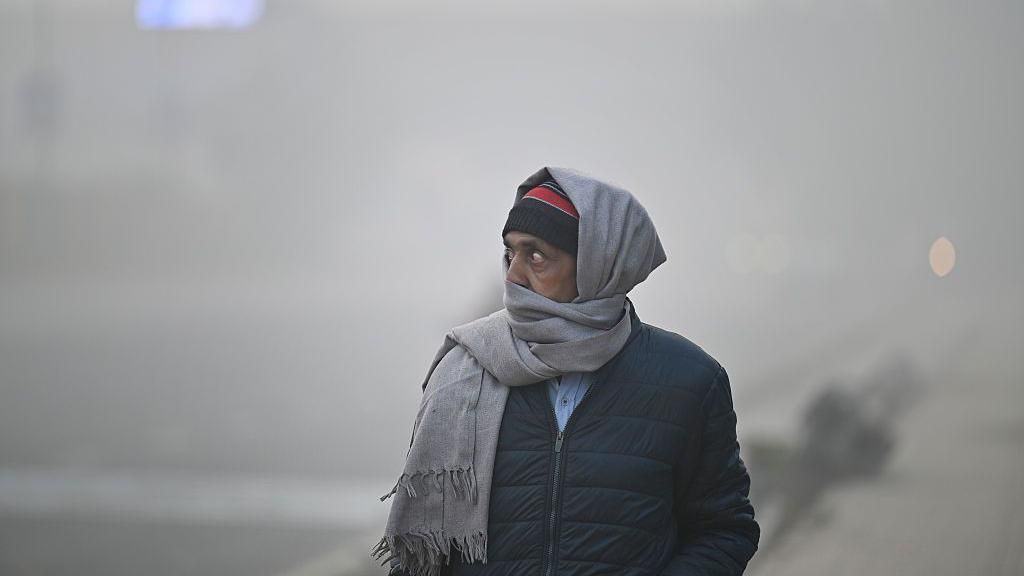
Delhi has activated its highest-level pollution emergency protocol as the capital city plunged into another severe air quality crisis. A dense toxic haze descended upon the metropolitan area, drastically reducing visibility and disrupting transportation networks with multiple flight and train delays reported.
The city’s air quality index reached alarming levels, with government monitoring systems recording an average AQI of 471—far exceeding the World Health Organization’s recommended safety thresholds by more than thirtyfold. This measurement places Delhi’s air pollution firmly in the ‘severe’ category, representing immediate health risks to all residents, particularly vulnerable populations.
In response to the escalating environmental emergency, India’s Commission for Air Quality Management implemented Stage IV of the Graded Response Action Plan. These stringent measures include comprehensive bans on construction activities, restrictions on older diesel vehicles entering the city, and mandatory school closures with transitions to online learning platforms. The Supreme Court of India has additionally advised virtual proceedings for legal matters.
Meteorological conditions have significantly contributed to the current crisis, with elevated moisture levels and shifting wind patterns creating ideal circumstances for pollutant accumulation and smog formation. The seasonal practice of agricultural stubble burning in neighboring states, combined with industrial emissions and vehicular exhaust, has exacerbated the situation.
Medical authorities have issued urgent health advisories recommending that residents, especially children and individuals with pre-existing respiratory or cardiovascular conditions, minimize outdoor exposure and utilize protective masks when ventilation is unavoidable. Historical data reveals the severe health impact, with over 200,000 cases of acute respiratory illnesses documented in Delhi’s government hospitals between 2022 and 2024 during previous pollution episodes.
This environmental challenge represents a recurring public health emergency for northern India, particularly during winter months when atmospheric conditions trap pollutants close to the ground, creating persistent hazardous conditions for millions of inhabitants.