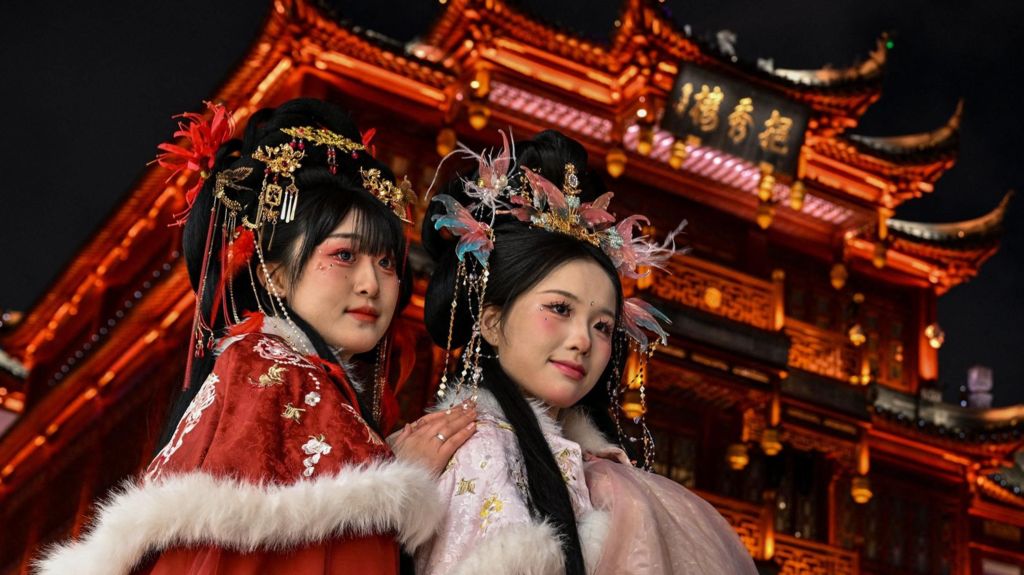
A remarkable cultural phenomenon dubbed ‘Chinamaxxing’ has emerged across Western social media platforms, particularly TikTok, where users enthusiastically adopt traditional Chinese wellness practices and daily routines. This trend represents a significant shift in how Chinese culture is perceived internationally, moving from previously stereotyped associations to becoming a symbol of modern sophistication.
The movement encompasses various aspects of Chinese living, from drinking warm apple-boiled water and wearing indoor slippers to practicing longevity exercises. Participants frequently use hashtags like #newlychinese and share content with captions such as ‘you met me at a very Chinese time in my life,’ demonstrating their engagement with these cultural elements.
This cultural embrace occurs against a backdrop of China’s growing soft power influence globally. Over the past year, international consumers have shown increasing interest in Chinese products and experiences, including Labubu dolls, Mixue bubble tea, Luckin coffee, and travel to China’s technologically advanced cities like Chongqing, now celebrated for its cyberpunk aesthetic.
Analysts suggest multiple factors driving this trend, including young Americans’ potential disillusionment with their own country’s prospects and fascination with China’s rapid infrastructure development. Technology writer Afra Wang notes, ‘When you can’t build high-speed rail but you can scroll through videos of Chinese infrastructure, of course the future starts to look Chinese.’
The phenomenon marks a dramatic reversal from recent years when pandemic-related Sinophobia created challenges for Chinese communities worldwide. The current trend has been welcomed by Chinese officials as enhancing the country’s international image, with Foreign Ministry spokesperson Lin Jian acknowledging appreciation for foreigners experiencing ‘the everyday life of ordinary Chinese people.’
However, the trend presents a complex picture. While Western social media celebrates certain aspects of Chinese culture, many Chinese youth face economic challenges including high unemployment rates and housing concerns. The curated nature of social media content means these broader societal realities often remain less visible in the Chinamaxxing narrative.
The movement represents more than superficial trend-following—it reflects deeper global shifts in cultural influence and perceptions of national success in an increasingly interconnected world.