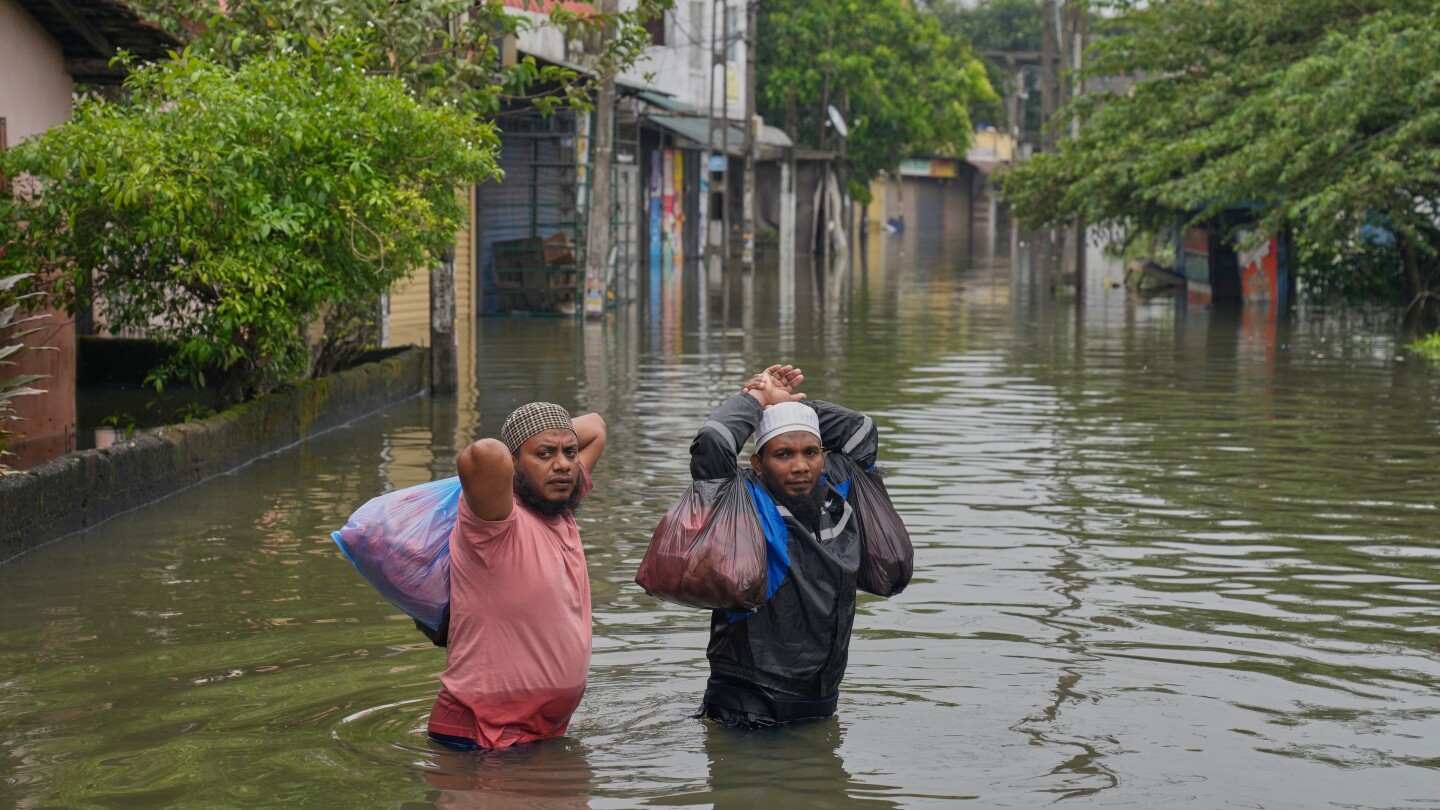
A groundbreaking rapid attribution analysis has established a definitive connection between human-caused climate change and the devastating cyclones that unleashed catastrophic flooding across Southeast Asia. The World Weather Attribution initiative revealed that abnormally warm North Indian Ocean temperatures, measuring 0.2°C above the 30-year average, provided the critical energy that amplified cyclones Senyar and Ditwah throughout late November and December 2025.
The research demonstrates that without anthropogenic global warming, ocean surfaces would have been approximately 1°C cooler, substantially reducing the storms’ intensity. The elevated sea temperatures transferred unprecedented heat and moisture into the atmospheric systems, creating conditions for extreme rainfall that triggered lethal floods and landslides across Malaysia, Thailand, Indonesia, and Sri Lanka.
The human cost has been staggering, with confirmed fatalities exceeding 1,600 individuals and hundreds more remain missing. The calamity represents the latest in an escalating pattern of climate-driven disasters throughout Southeast Asia this year, compounding existing challenges of rapid urbanization, high-density populations, and infrastructure development within flood-prone regions.
Dr. Mariam Zachariah of Imperial College London’s Centre for Environmental Policy explained the mechanism: ‘A warmer atmosphere possesses significantly greater moisture retention capacity. Consequently, precipitation intensity increases dramatically compared to pre-industrial climate conditions.’
The WWA employs rigorously peer-reviewed methodologies to conduct rapid climate attribution studies, though researchers noted limitations in precisely quantifying climate change’s contribution due to constraints in regional climate modeling for island territories.
Independent experts emphasize the broader implications. Jemilah Mahmood of the Sunway Centre for Planetary Health noted that decades of prioritizing economic development over environmental stability have accumulated a ‘planetary debt’ now manifesting through such crises. Relief organizations highlight the disproportionate impact on vulnerable communities who face the longest recovery trajectories.