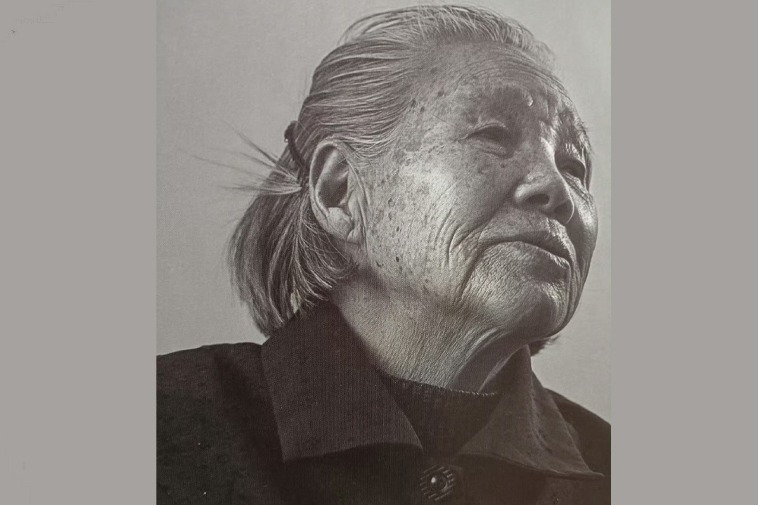
The community of registered survivors from the Nanjing Massacre has diminished further with the passing of Pan Qiaoying at age 95 on January 1, 2026. The Memorial Hall of the Victims of the Nanjing Massacre by Japanese Invaders confirmed her death, reducing the number of living certified survivors to just 23 individuals.
Pan Qiaoying was six years old when Japanese forces captured Nanjing in December 1937. Her personal testimony recounts hiding inside a kitchen stove while witnessing Japanese soldiers fatally bayonet her grandfather, father, and cousin during the occupation. This traumatic experience represented one of countless atrocities committed during the six-week period following the city’s capture, where historical records indicate approximately 300,000 Chinese civilians and disarmed soldiers were systematically killed.
The declining number of survivors presents urgent challenges for historical preservation efforts. Each passing represents the loss of firsthand accounts from what historians consider one of World War II’s most brutal chapters. In response, China has implemented comprehensive documentation initiatives including video testimonies, written transcripts, and official commemoration practices.
Since 2014, China has observed December 13 as the national memorial day for Nanjing Massacre victims. The international community has likewise recognized the historical significance of these events, with UNESCO inscribing documents related to the massacre onto its Memory of the World Register in 2015. These preservation measures ensure that despite the diminishing number of living witnesses, the historical record and lessons from this tragedy will endure for future generations.