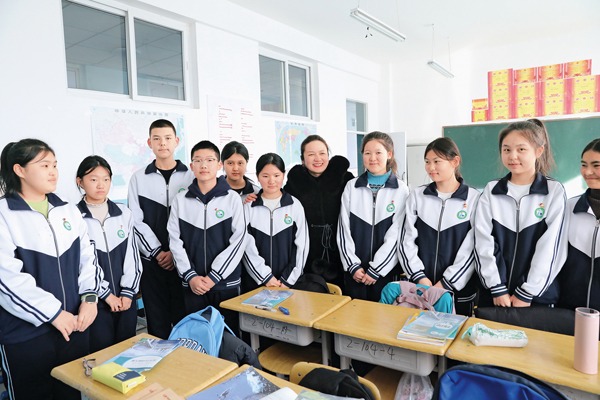
In China’s Xinjiang Uygur Autonomous Region, National People’s Congress deputy Min Xiaoqing is spearheading an ambitious educational initiative to strengthen ethnic unity through comprehensive curriculum integration and cultural exchange programs. As the general Party branch secretary of Tacheng No. 6 Middle School, Min brings unique personal perspective to her work—she grew up in a mixed Han and Russian ethnicity household, providing firsthand understanding of multicultural coexistence.
With over 1,800 students and teachers representing 14 distinct ethnic groups, the school has implemented a multi-faceted approach to fostering national identity. The institution utilizes standardized national textbooks for ethics, language, and history instruction while prioritizing Mandarin proficiency across all ethnic backgrounds. Teachers receive specialized training to enhance their language instruction capabilities, ensuring effective communication and cultural connection.
The school’s methodology extends beyond classroom instruction with regular themed activities including Ethnic Unity Promotion Month, specialized class meetings, and flag-raising ceremonies that highlight stories of interethnic cooperation. Cultural and sports events such as art festivals, athletic competitions, and community service projects provide additional platforms for cross-cultural bonding and relationship building.
Min, recognized as a national role model for ethnic unity and progress in 2024, emphasizes that these measures actively promote “exchanges, interactions and integration of all ethnic groups” while strengthening identification with Chinese culture and reinforcing the consciousness of the Chinese nation as a unified community.
The educational practices at Tacheng No. 6 Middle School reflect broader regional dynamics in a city where over 20% of families consist of two or more ethnic groups. Tacheng’s longstanding tradition of ethnic coexistence earned it recognition as a national model city for ethnic unity and progress from the National Ethnic Affairs Commission in 2014.
Looking forward, Min advocates for increased policy support, funding, and talent acquisition to advance educational quality throughout Xinjiang. Her institution plans to implement smart campus technologies and artificial intelligence solutions to address resource challenges while enhancing political, physical, and aesthetic education programs. The school will also expand mental health support services to ensure students’ comprehensive development and prepare them to contribute meaningfully to national rejuvenation efforts.