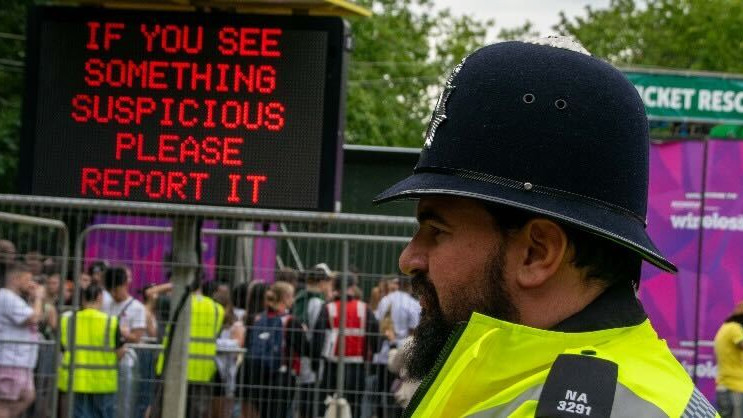
A significant NHS mental health trust in England has formally withdrawn from a contentious counter-terrorism initiative that permitted police access to confidential patient medical records, including those of young children identified as potential extremism risks. The Birmingham and Solihull Mental Health NHS Foundation Trust (BSMHFT), serving 1.3 million residents across the West Midlands, terminated its participation in the Counter Terrorism Clinical Consultancy Service (CTCCS) effective April 1, 2025.
The CTCCS program, established in 2016 as a collaborative effort between Counter Terrorism Policing and the NHS in England and Wales, enabled mental health professionals to assess individuals flagged by police as potential security threats, frequently without any criminal activity having occurred. The initiative created pathways for counter-terrorism authorities to obtain sensitive medical information for risk assessment purposes under the guise of clinical consultation.
BSMHFT’s spokesperson confirmed the March 2025 decision resulted from the program’s misalignment with the trust’s strategic priorities. This departure marks the first publicly acknowledged withdrawal from a program that critics argue has surreptitiously integrated counter-terrorism operations within mental healthcare systems.
The program initially operated through ‘Vulnerability Support Hubs’ that assessed individuals, including children as young as six, referred through policing channels for perceived susceptibility to extremism. Mental health professionals working within these units underwent rigorous police vetting procedures to access highly sensitive intelligence.
Over a five-year period, more than 3,000 individuals, predominantly teenagers, were referred to hubs located in London, Birmingham, and Manchester. Common referrals included individuals with psychotic disorders, personality disorders, mood disorders, autism spectrum disorders, and learning difficulties.
The program faced substantial criticism for blurring the boundaries between healthcare and surveillance, undermining patient consent protocols, and repurposing NHS expertise for intelligence-led policing. Researchers documented that CTCCS clinicians routinely contacted healthcare providers to request sensitive medical information, including diagnoses and treatment compliance records, which were then utilized to inform counter-terrorism decisions without patient knowledge.
Professor Charlotte Heath-Kelly, an international security scholar at the University of Warwick, noted the program’s disproportionate impact on Muslim communities, with research indicating Muslims were assessed at a ratio of 28:1 compared to white British referrals. The program allegedly bypassed established NHS safeguards and violated patient privacy rules by sharing medical information with counter-terrorism case officers without patient consent.
Campaign group Medact, which first exposed the program in 2021, welcomed BSMHFT’s withdrawal, describing the program as ‘unethical and Islamophobic.’ Research manager Hil Aked stated: ‘Mental health workers should be providing patients with care, not spying on them for police,’ while calling on remaining participating NHS trusts to follow suit.
BSMHFT had served as one of three foundational NHS trusts supporting the program since its inception, processing all referrals from the Midlands and Wales. The trust maintained a dedicated team working exclusively on the program for several years before its strategic reversal.
NHS England, British Counter-Terror Police, and the Home Office had not responded to requests for comment at the time of reporting.