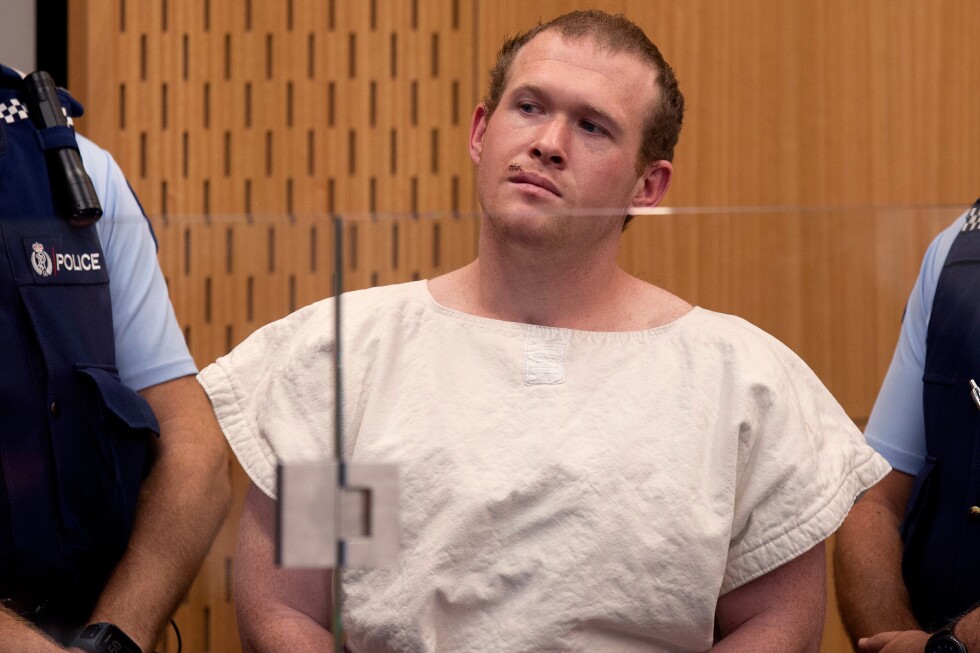
WELLINGTON, New Zealand — The perpetrator of New Zealand’s deadliest mass shooting appeared before the Court of Appeal on Monday seeking to overturn his guilty pleas and life sentence, claiming severe prison conditions rendered him mentally unfit during his 2020 admission of guilt.
Brenton Tarrant, the Australian white supremacist who murdered 51 Muslim worshippers in Christchurch’s 2019 mosque attacks, testified via video link from prison that solitary confinement and harsh detention circumstances created what he described as ‘nervous exhaustion’ and identity confusion. The 35-year-old argued this mental state invalidated his reasoned decision to plead guilty to terrorism, murder, and attempted murder charges.
A three-judge panel will hear five days of evidence regarding Tarrant’s competency at the time of his plea. If successful, the case would return to trial—a scenario avoided when Tarrant unexpectedly admitted guilt weeks before his scheduled court date. The hearing also addresses his unprecedented life imprisonment without parole, New Zealand’s most severe sentencing outcome.
The prosecution challenged Tarrant’s assertions, with Crown lawyer Barnaby Hawes noting the shooter had alternative legal options including trial postponement requests or mounting a defense. Medical and prison records showed no documented evidence of serious mental illness, though Tarrant claimed he deliberately concealed symptoms to maintain a ‘confident, assured’ facade consistent with his extremist ideology.
Security protocols severely restricted attendance, permitting only affected families, survivors, and limited media. Tarrant, appearing with shaved head and glasses in a white prison room, testified about his deteriorated mental state—marking his first substantive public statements since livestreaming the horrific attack.
The appeal filing arrived two years past New Zealand’s standard 20-day deadline, which Tarrant attributed to restricted information access. The court’s decision will be delivered subsequently, with potential separate proceedings regarding his sentence appeal if the plea challenge fails.