A groundbreaking medical advancement emerging from China offers new hope for treating Parkinson’s disease, rare genetic disorders, and age-related degeneration. Researchers have successfully engineered a novel delivery mechanism that safely transplants healthy mitochondria into impaired cells, overcoming a critical barrier in regenerative medicine.
The innovation, detailed in the prestigious journal Cell, addresses the fundamental challenge of mitochondrial fragility during transplantation procedures. Mitochondria, the microscopic power generators within cells, possess their own distinct DNA and are essential for converting nutrients into life-sustaining energy. When these organelles malfunction due to genetic mutations or aging, they affect approximately 1 in 5,000 people worldwide and contribute to progressive health deterioration.
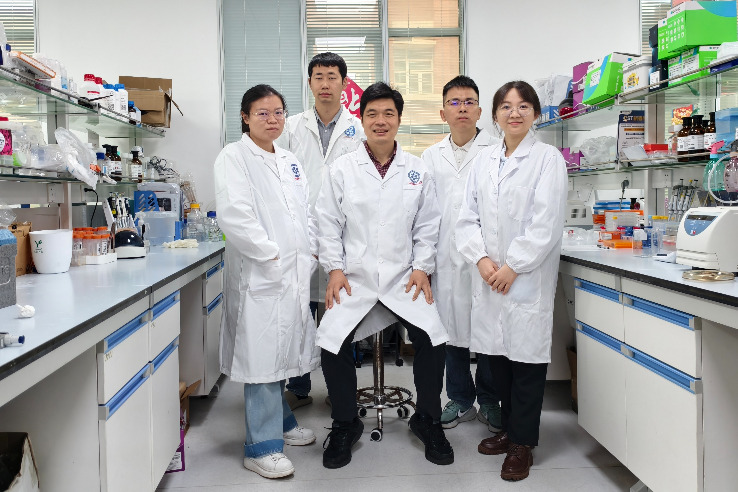
Led by Dr. Liu Xingguo at the Chinese Academy of Sciences’ Guangzhou Institutes of Biomedicine and Health, the research team collaborated with Guangzhou Medical University to develop an ingenious solution using red blood cell membranes. These biological materials form protective shells measuring merely one micrometer in diameter—effectively creating microscopic ‘capsules’ that shield mitochondria during delivery.
This protective suit functions as a biological bypass, enabling the capsule to evade cellular defenses and integrate seamlessly with the cell’s interior. Once inside, the healthy mitochondria begin cooperating with the cell’s existing structures, essentially ‘recharging’ the cellular power system.
Experimental trials on mouse models demonstrated remarkable outcomes. In Parkinson’s disease simulations, the treatment prevented neuronal death, restored energy production, and nearly normalized motor functions. For mitochondrial DNA depletion syndrome—a condition where the body cannot sustain sufficient mitochondrial DNA—the therapy significantly extended lifespans and prevented multiple organ failure.
The breakthrough establishes a new paradigm in organelle therapy, which utilizes the cell’s intrinsic components as therapeutic agents rather than relying on conventional chemicals or complex gene editing. While acknowledging the promising results, researchers emphasize that further clinical trials are necessary to validate the safety and efficacy of this approach for human patients.