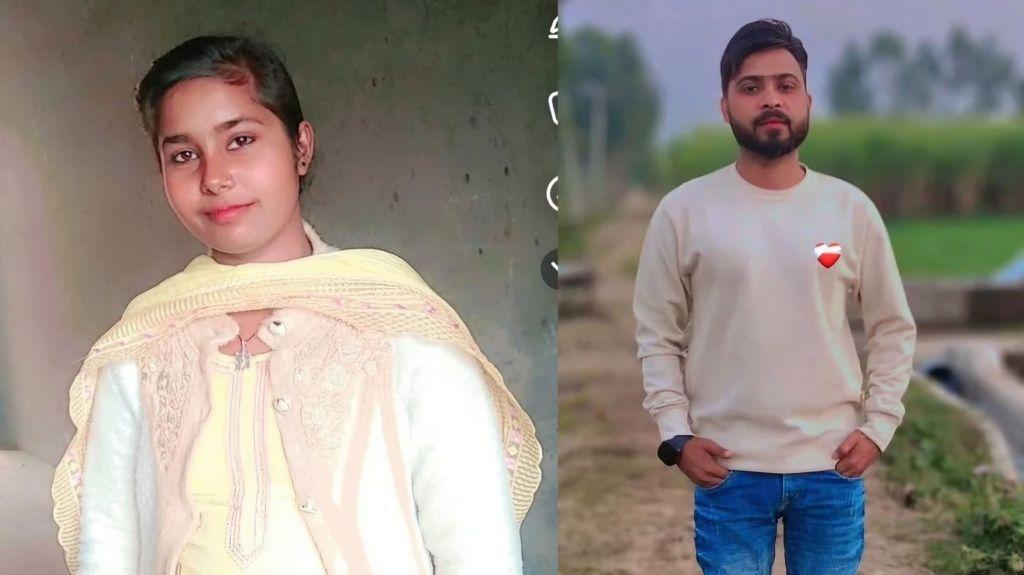
A quiet village in India’s Uttar Pradesh state has been plunged into turmoil following the brutal murder of an interfaith couple, allegedly by the woman’s own brothers in what authorities describe as an honor killing. The victims, 19-year-old Kajal (Hindu) and 27-year-old Mohammad Arman (Muslim), were discovered buried near a riverbank on January 21st in Umri village, located 182km from Delhi.
Police investigation reveals the couple was bludgeoned to death with a spade on the night of January 18-19 when Kajal’s brothers allegedly caught Arman visiting their home. The three brothers—Rajaram, Satish and Rinku Saini—have been arrested and remain in custody without offering any defense statements.
This tragedy has shattered the peaceful coexistence that defined Umri village, where approximately 400 Hindu and Muslim families have lived harmoniously for years without religious disputes. Deputy Inspector General Muniraj G confirmed the case appears to be a classic honor killing, where relatives punish women for relationships outside their caste or religion.
Kajal worked as a teacher at a local private school, while Arman had recently returned from Saudi Arabia after four years working in the food service industry. Though neighbors living merely 200 meters apart, both were described as introverts with limited social circles. Their relationship, the first interfaith romance in the village, remained hidden from both families until after the tragedy.
Police deployment continues in Umri to prevent religious tensions, though villagers report an unsettling silence has descended upon the community. The case highlights India’s ongoing struggle with honor violence despite constitutional protections for interfaith relationships. Official data recorded 38 honor killings in 2023, though activists estimate actual numbers reach hundreds annually due to systematic underreporting.
The incident exposes the persistent tension between modern individual rights and traditional social hierarchies in rural India, where over 93% of marriages remain arranged within caste and religious boundaries. While courts have mandated protective measures including safe houses for interfaith couples, deep-seated social attitudes continue to enable such violence across the country.