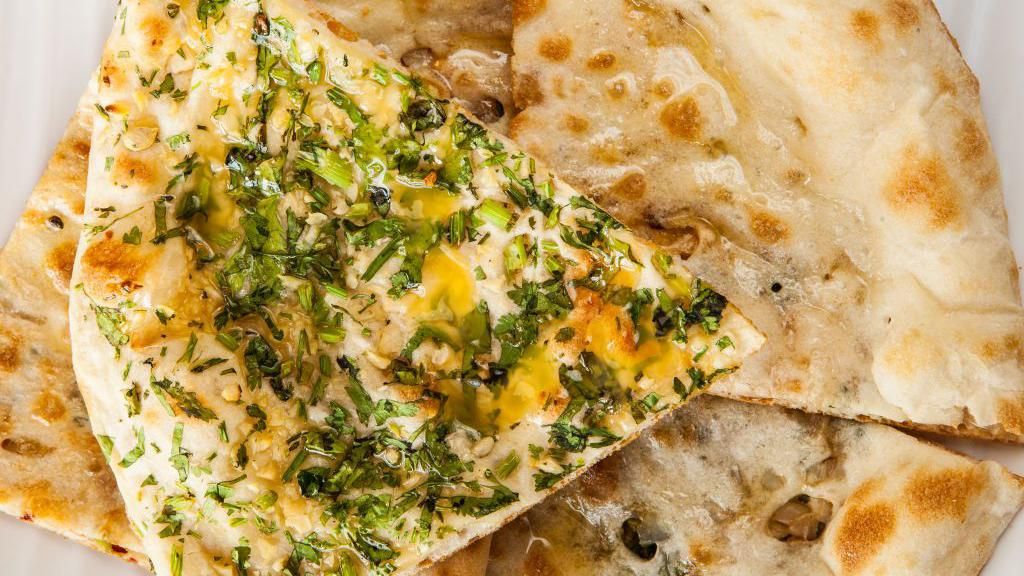
Butter garlic naan has achieved global culinary recognition by securing the top position on Taste Atlas’ prestigious 2025 ranking of world’s best breads. This leavened flatbread, characterized by its pillowy texture and aromatic garlic-infused butter topping, surpassed numerous international contenders to claim the coveted title.
The journey of naan from royal courts to global tables spans centuries of culinary evolution. Historical evidence suggests Persian origins for this flatbread, with its name deriving from the Persian word for bread. The bread traveled to the Indian subcontinent with 13th-century Sultans, who introduced tandoor ovens and Central Asian culinary traditions. During the Delhi Sultanate and subsequent Mughal eras, naan remained an exclusive delicacy enjoyed primarily by nobility, with specialized chefs called ‘naan bais’ developing sophisticated variations like the flaky naan-e-warqi and gravy-absorbing naan-e-tangi.
British colonial rule facilitated naan’s introduction to Western audiences, though it remained an elite food item within India. The bread’s democratization occurred gradually through simplified preparation methods, making it accessible to broader populations. The traditional preparation involves combining flour, yogurt, and yeast to create a soft dough that undergoes fermentation before being hand-shaped and baked in scorching tandoor ovens until characteristic brown spots appear.
The late 20th and early 21st centuries witnessed remarkable innovation in naan preparation. Fine dining establishments globally began experimenting with creative interpretations, incorporating ingredients like spinach, gourmet cheeses, and mushrooms. Contemporary variations now include regional specialties such as Goa’s pork vindaloo naan and Hong Kong’s truffle cheese naan, demonstrating the bread’s extraordinary adaptability.
Food historian Neha Vermani notes: ‘The naan’s evolution mirrors broader social transformations. From complex royal preparations to accessible street food, its journey reflects changing culinary landscapes and cross-cultural exchanges.’ Chef Suvir Saran, who pioneered innovative naan varieties in New York restaurants, observes: ‘Naan represents culinary plurality—it shows how cross-cultural identities can coexist harmoniously through food.’
Beyond its culinary significance, naan embodies important cultural narratives about adaptation and integration. As it continues to evolve globally, this humble flatbread maintains its fundamental character while embracing diverse culinary influences, serving as both a staple food and a symbol of cultural exchange.