In the aftermath of Hong Kong’s most catastrophic building fire in over seventy years, survivors are grappling with profound trauma amid revelations of critical safety failures. The Wang Fuk Court inferno, which claimed at least 159 lives, has exposed alarming lapses in fire safety protocols while highlighting extraordinary acts of courage during the disaster.
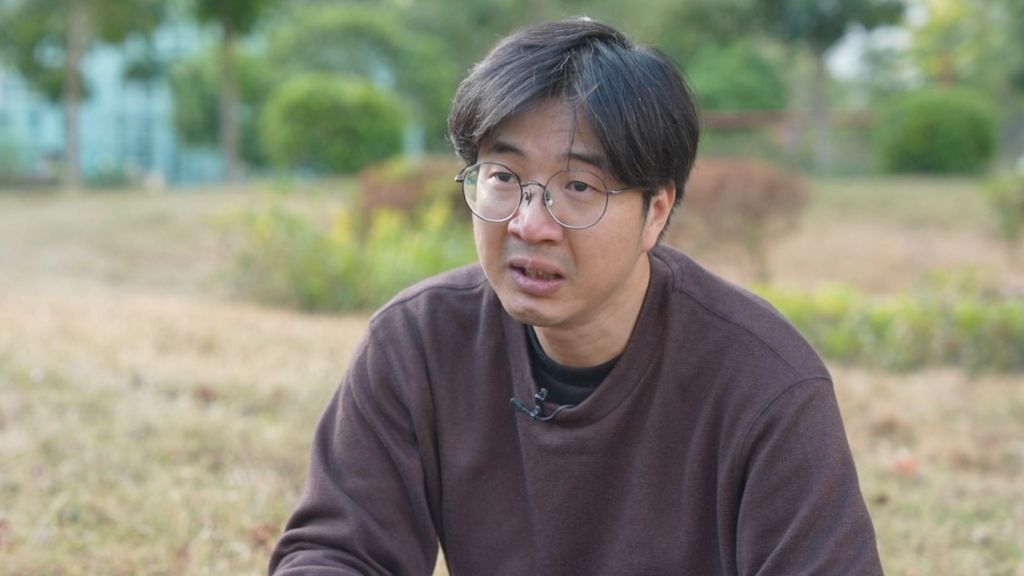
William Li, a 40-year-old lifelong resident of Wang Cheong House, embodies the complex psychological aftermath of the tragedy. Despite being hailed as a hero for rescuing neighbors, Li is tormented by guilt over those he couldn’t save. ‘My heart breaks every time someone calls me a hero,’ he revealed through tears, describing how he dragged two neighbors to safety by touch through smoke-obscured corridors.
The disaster’s severity was compounded by multiple systemic failures. Investigation findings confirm the installation of non-fire-resistant netting around the building and malfunctioning fire alarms that never activated. These deficiencies created a deadly trap for residents like Li, who initially underestimated the danger when his wife called about the fire.
Among the many tragic stories emerges that of Bai Shui Lin, a 66-year-old woman who successfully alerted multiple families but perished in the process. Her son Yip Ka-Kui noted, ‘We know her. She wouldn’t have left without warning others.’ The tragedy also affected Hong Kong’s migrant community, with ten foreign domestic workers among the casualties.
Rhodora Alcaraz, a 28-year-old domestic worker, maintained her post caring for her employer’s three-month-old baby and elderly mother throughout the ordeal, sending desperate voice messages to her sister saying, ‘I’m feeling very weak. I can’t breathe.’ All three were eventually rescued by firefighters.
The property management company, a subsidiary of Danish firm ISS, has not responded to inquiries regarding reports that emergency exits were locked during the disaster. Hong Kong’s chief executive has ordered an independent investigation into both the fire’s origins and the inadequate emergency response that left residents like Li waiting over two hours for rescue.
As the community mourns, survivors face not only physical recovery but profound psychological challenges. Li describes experiencing complete emotional collapse upon reaching the hospital: ‘I no longer had any strength in me and my knees gave in. A burning smell lingered in my nose.’ He has since dedicated himself to seeking truth and justice for all affected residents, hoping widespread attention will prevent similar tragedies.