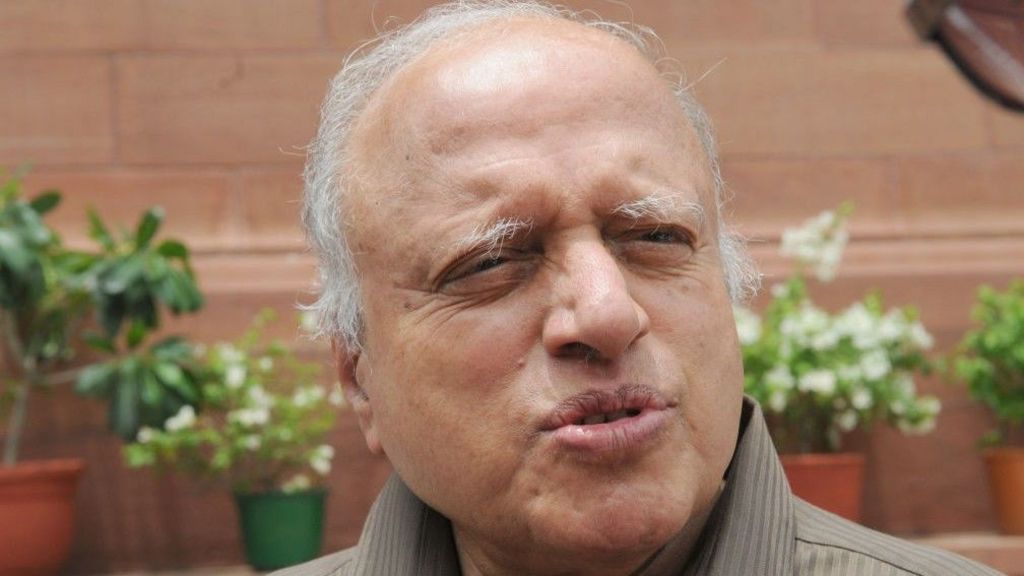
In 1965, a pivotal moment unfolded in Jaunti, a small village near Delhi, when a skeptical Indian farmer extended his trust to Dr. MS Swaminathan, a scientist who would later be celebrated as the ‘Godfather of the Green Revolution.’ This encounter marked the beginning of a transformative journey that reshaped India’s agricultural landscape and secured its food self-sufficiency. Swaminathan, born in 1925 in Kumbakonam, Tamil Nadu, was deeply influenced by the devastating 1943 Bengal Famine, which claimed over three million lives. This tragedy propelled him to dedicate his life to agricultural science, aiming to develop high-yield crops that could combat hunger on a massive scale. After earning his PhD at Cambridge and collaborating with Nobel laureate Norman Borlaug, Swaminathan introduced Mexican wheat strains to India in 1963. By 1971, wheat yields had doubled, turning a nation on the brink of famine into a food surplus powerhouse. Swaminathan’s ‘farmer-first’ philosophy emphasized listening to farmers and adapting scientific solutions to their needs. His work extended beyond India, influencing agricultural practices across Southeast Asia, Africa, and even China. Despite the Green Revolution’s success, Swaminathan acknowledged its environmental costs and advocated for an ‘Evergreen Revolution’ that balanced productivity with ecological sustainability. His legacy, marked by science, compassion, and a relentless commitment to eradicating hunger, continues to inspire global agricultural innovation.