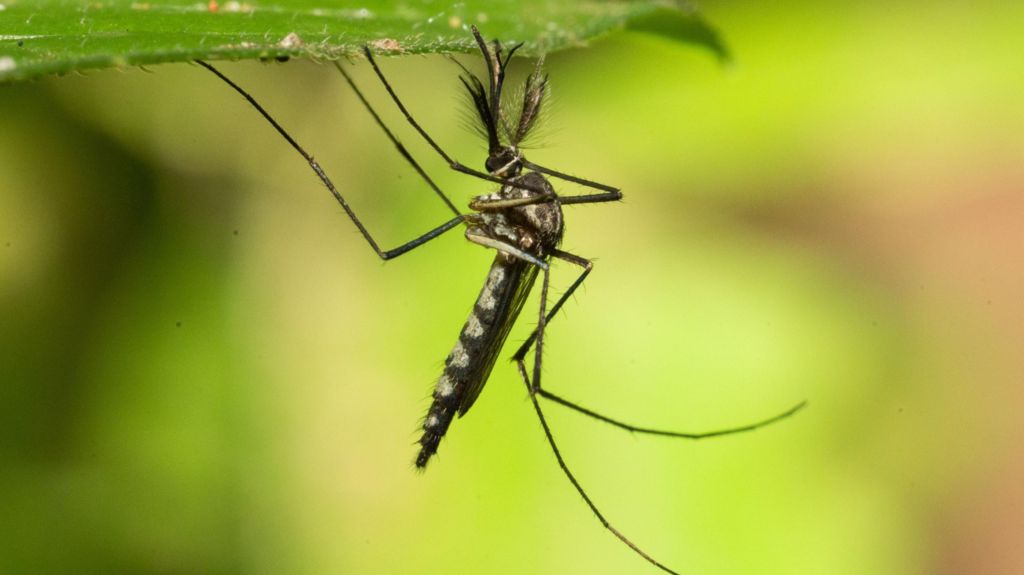
For the first time in history, mosquitoes have been detected in Iceland, a country previously known as one of the world’s only mosquito-free zones alongside Antarctica. This unprecedented discovery comes after Iceland experienced record-breaking heat this spring, raising concerns about the impact of climate change on delicate ecosystems. The mosquitoes were found by Bjorn Hjaltason, an insect enthusiast, who encountered them while observing moths using wine-soaked ropes in Kjós, a glacial valley southwest of Reykjavik. Hjaltason identified two female mosquitoes and one male, later confirmed to be of the species *Culiseta annulata*, one of the few mosquito species capable of surviving winter. The Icelandic Institute of Natural History verified the discovery, with entomologist Matthías Alfreðsson noting that the species is common in parts of Europe and North Africa but its arrival in Iceland remains a mystery. Iceland’s cold climate and lack of stagnant water have historically prevented mosquito populations from thriving. However, this year’s extreme temperatures, including a record-breaking 26.6°C (79.8°F) in May, may have created favorable conditions for their survival. A June study by the Global Heat Health Information Network highlighted the potential for significant ecological impacts as ecosystems adapted to cold climates face unprecedented temperature shifts. Hjaltason speculated that the mosquitoes may have arrived via ships or containers, though further monitoring is needed to determine if the species has become established in Iceland. This discovery underscores the broader implications of climate change, with the UN’s climate body confirming that human activities have unequivocally contributed to global warming.