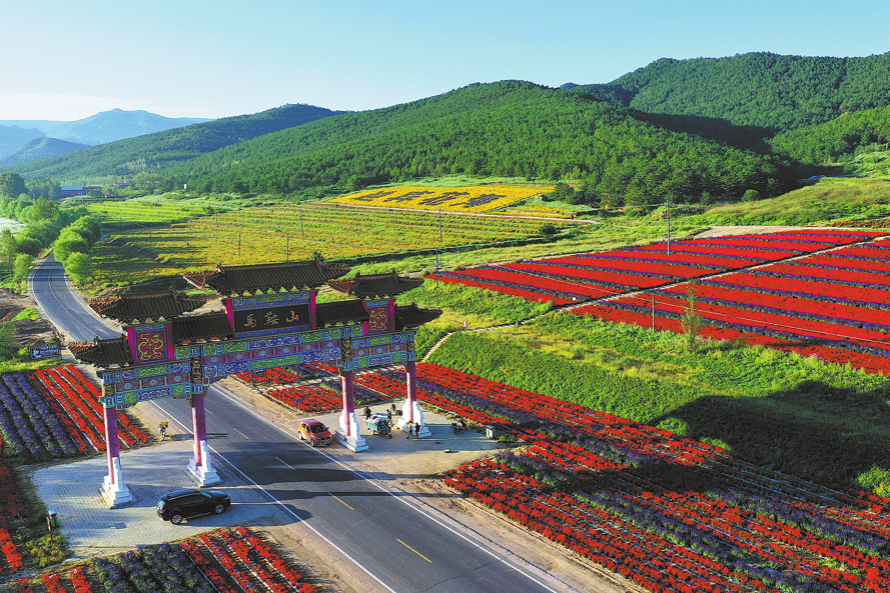
Two decades after President Xi Jinping introduced the visionary concept that ‘lucid waters and lush mountains are invaluable assets,’ China’s forests have undergone a remarkable transformation. Once valued primarily for timber, these natural resources have evolved into multifaceted assets that enrich soil, combat desertification, generate income, and attract tourism. This shift underscores a broader commitment to sustainable development, where protection and conservation are prioritized over exploitation. Today, forests cover more than 25% of China’s landmass, with a stock exceeding 20 billion cubic meters. In northern regions, the Three-North Shelterbelt Program has created a vast man-made forest shelterbelt, serving as a green barrier against wind and sand while fostering local industries like forest-based agriculture and ecotourism. This initiative not only safeguards the environment but also bolsters local economies, demonstrating how ecological preservation can drive prosperity.