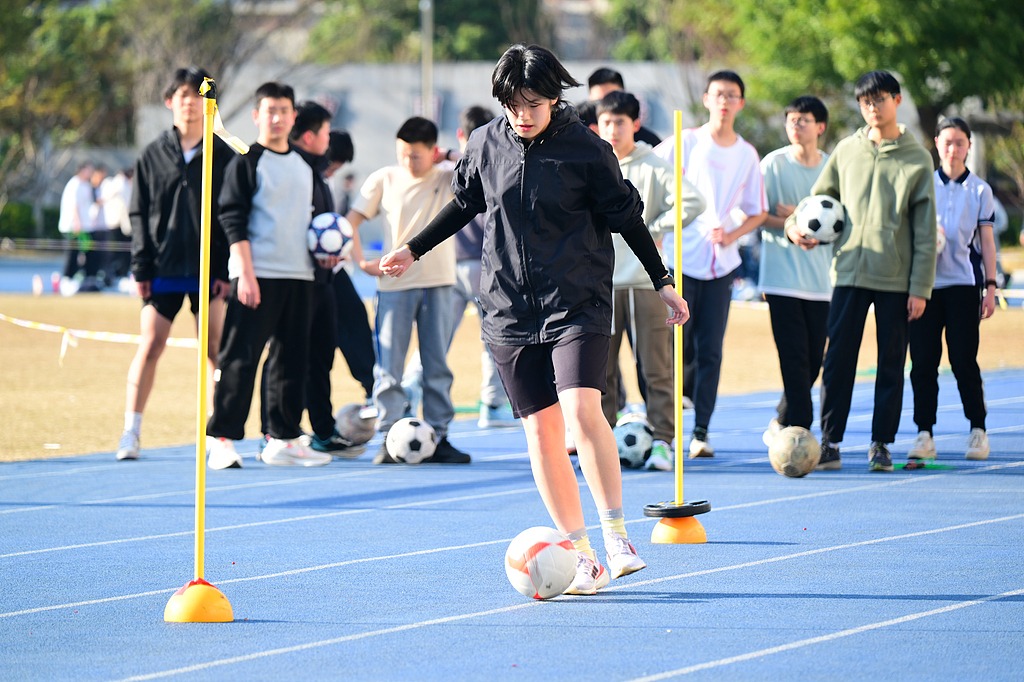
In a significant move to prioritize student wellness, China’s Ministry of Education has launched a stringent ‘health first’ initiative targeting educational institutions that reduce physical education classes or restrict outdoor activities during breaks. This crackdown comes alongside newly released data demonstrating remarkable improvements in national student fitness metrics over the past decade.
During a high-level meeting convened in Beijing, education officials revealed that all provincial-level regions have now fully implemented policies guaranteeing primary and secondary students receive minimum two hours of daily physical activity, including mandated 15-minute inter-class breaks. The comprehensive approach represents a paradigm shift in educational priorities, placing physical wellbeing alongside academic achievement.
The ministry’s report highlighted substantial workforce expansion, with physical education teachers in compulsory education increasing by 71.6% since 2012, while arts educators grew by 60.9% during the same period. These staffing investments have yielded measurable results: the 2024 National Student Physical Health Survey indicates a 9.3 percentage point improvement in overall excellence rates for physical health across all educational levels since 2016.
Notable progress has been achieved in combating youth myopia, with national rates declining consistently for four consecutive years (2021-2024), reaching 50.3% in 2024. This achievement meets the government’s annual target of reducing myopia prevalence by 0.5 percentage points each year.
Concurrently, school food safety management has been substantially enhanced, with 99.9% of institutions now monitored through a comprehensive online surveillance system covering kitchen operations and meal preparation facilities.
Looking toward 2026, the ministry plans intensified efforts focusing particularly on kindergarten and primary school levels. Strategic measures will include guaranteed outdoor activity time, restricted electronic device usage, and improved classroom lighting conditions to alleviate visual strain.
The ministry issued explicit warnings against ‘fake curricula’—schedules that appear compliant but aren’t implemented—and vowed rigorous investigation of any practices that compromise physical education requirements or prevent students from accessing outdoor spaces during designated break times.