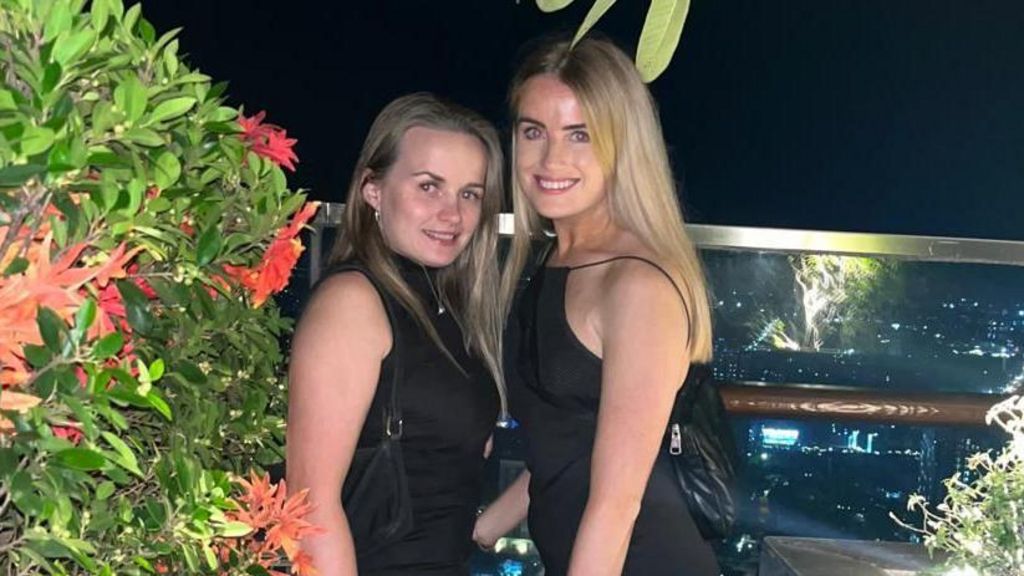
Bethany Clarke, a survivor of a mass methanol poisoning incident in Laos, has expressed concerns that current efforts to educate young travelers about the dangers of methanol are insufficient. Last November, Bethany and her friend Simone White were among a group of backpackers who consumed tainted shots in Laos. Tragically, Simone, along with five others, lost their lives. Methanol, a toxic chemical not meant for human consumption, can cause severe symptoms such as blurred vision, dizziness, and vomiting, and can be fatal if untreated.
The UK government has launched a campaign using social media influencers and student ambassadors to spread awareness about methanol poisoning. Bethany acknowledges this as a positive step but worries that the message may not reach all those at risk. She advocates for more direct and widespread education, including warnings in schools and airports.
The Foreign Office has updated its travel advice for Laos and other countries where methanol poisonings involving British nationals have been reported. They are also collaborating with influencers like Lia Groves, a content creator with a significant social media following, to produce safety videos. Lia, who has begun a six-month backpacking trip, has vowed to avoid homemade alcohol and free bar shots, citing the campaign’s impact on her travel habits.
Despite these efforts, Bethany criticizes the government’s reliance on social media algorithms, arguing that the information may not reach enough people. She suggests adopting more visible measures, such as signage in airports and hostels, similar to those in Australia. The Foreign Office has responded by stating they are using a wide range of methods, including QR codes and partnerships with influencers, to disseminate safety information.
Bethany’s petition for more comprehensive methanol safety warnings highlights the ongoing need for greater awareness and action to prevent future tragedies.