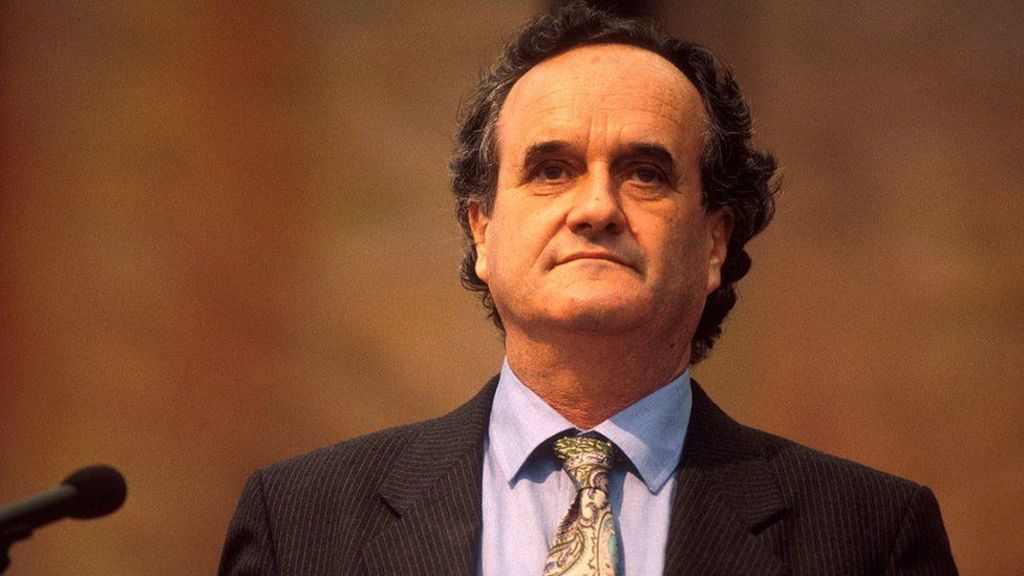
Sir Mark Tully, the legendary British broadcaster celebrated as the BBC’s definitive “voice of India,” has passed away at 90. His distinctive baritone delivery and profound insights made him an institution across international airwaves for decades, covering pivotal moments in South Asian history including wars, famines, political assassinations, the Bhopal industrial disaster, and Operation Blue Star at Amritsar’s Golden Temple.
Born in Calcutta during the British Raj in 1935, Tully embodied a unique cultural duality. Despite his English upbringing and education at Cambridge, he developed an extraordinary connection with India that transcended typical foreign correspondence. His fluency in Hindi—a rarity among Delhi’s foreign press corps—earned him both respect and affection, with many Indians affectionately calling him “Tully sahib.”
The journalist faced grave danger during his coverage of the 1992 Babri Masjid demolition in Ayodhya, where he was threatened by a mob chanting “Death to Mark Tully” before being rescued by local authorities. He later described the ensuing communal violence as independent India’s “gravest setback” to secularism.
Tully’s career began unexpectedly when he arrived as a BBC administrative assistant in 1965, eventually rising to become the corporation’s Delhi bureau chief for over two decades. His reporting extended beyond India to landmark events across South Asia, including Bangladesh’s liberation war, Pakistan’s military regimes, Sri Lanka’s civil conflict, and the Soviet-Afghan war.
Despite his professional success, Tully grew increasingly critical of BBC’s corporate direction, culminating in his 1994 resignation following public criticism of the broadcaster’s management culture. He continued his spiritual exploration through BBC Radio 4’s “Something Understood,” returning to the theological interests that initially shaped his career path.
Uniquely honored by both nations, Tully received India’s Padma Shri and Padma Bhushan civilian awards alongside British knighthood in 2002—an honor he described as recognition of India’s importance. He maintained dual cultural citizenship, living modestly in South Delhi while producing numerous books on Indian society, often in collaboration with partner Gillian Wright.