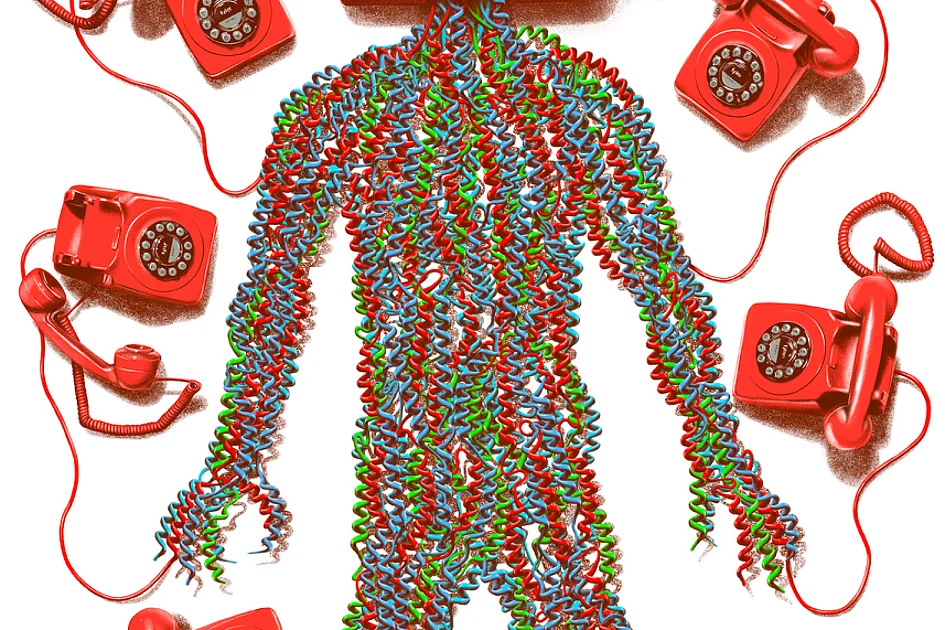
A groundbreaking scientific endeavor is underway to decode interoception—the body’s internal sensory system that provides the brain with continuous feedback about physiological states. This research, spearheaded by Nobel laureate Dr. Ardem Patapoutian and teams at Scripps Research, is revealing how neural pathways monitor everything from heart rate and lung expansion to nutrient absorption and microbial activity in the gut.
The vagus nerve, a complex network of 100,000 neurons, serves as a primary communication channel, using proteins like Piezo (discovered by Dr. Patapoutian) to detect pressure changes in organs. Advanced tools now allow scientists to trace how these signals travel to the brainstem and disperse to regions like the mid-insula, where they are interpreted—mostly subconsciously—to regulate functions like appetite, immune response, and emotional states.
Emerging evidence suggests that malfunctions in interoceptive processing may underlie psychiatric conditions including depression, anxiety, and eating disorders. Researchers like Dr. Camilla Nord at the University of Cambridge are exploring innovative treatments, such as using ultrasonic waves to recalibrate brain regions responsible for misinterpreting bodily signals. Meanwhile, weight-loss drugs like Ozempic exemplify how mimicking gut signals can effectively alter brain responses.
Despite progress, fundamental questions remain. Dr. Patapoutian’s team is developing an interoception atlas to document nerve functions throughout the body, acknowledging that much of this internal landscape is still uncharted. This research not only redefines our understanding of self-awareness but also opens new therapeutic avenues for mental and physical health.