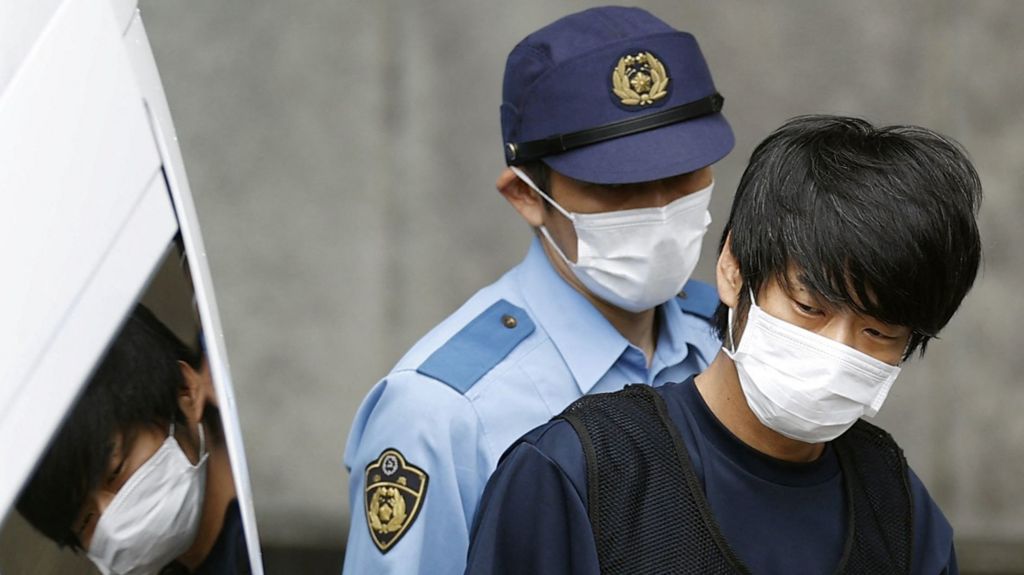
As Tetsuya Yamagami awaits sentencing for the 2022 assassination of former Japanese Prime Minister Shinzo Abe, a profound societal division has emerged regarding appropriate punishment for the self-confessed killer. The 45-year-old defendant, who pleaded guilty at the outset of his trial, faces potential life imprisonment for shooting Japan’s longest-serving prime minister during a campaign speech in Nara.
Prosecutors characterize the assassination as a ‘grave act’ that shocked a nation unaccustomed to gun violence, demanding maximum punishment for the cold-blooded murder of a towering political figure. Conversely, Yamagami’s defense team argues for leniency, presenting their client as a victim of ‘religious abuse’ stemming from his mother’s ruinous devotion to the Unification Church.
The trial has revealed how Yamagami’s family bankruptcy—caused by his mother donating approximately 100 million yen (S$828,750) to the church—fueled resentment against Abe after the former prime minister appeared in a church-related video message in 2021. Despite initially targeting church executives, Yamagami ultimately directed his homemade weapon toward Abe, creating what prosecutors call ‘a leap in logic’ in connecting his grievances to the politician.
Journalist Eito Suzuki, who extensively covered the proceedings, observed how both the Abe and Yamagami families were ‘overwhelmed with despair’ throughout the emotional trial. The court witnessed tearful testimony from Yamagami’s sister describing the ‘dire circumstances’ endured by the family due to their mother’s church involvement.
The assassination has triggered significant repercussions, including government investigations into the Unification Church’s practices, the resignation of several cabinet ministers over church connections, and ultimately the revocation of the church’s religious corporation status by a Tokyo court. Sociologists note that public sympathy for Yamagami reflects widespread distrust of controversial religious organizations in Japan, though experts emphasize that victimhood does not justify political violence.