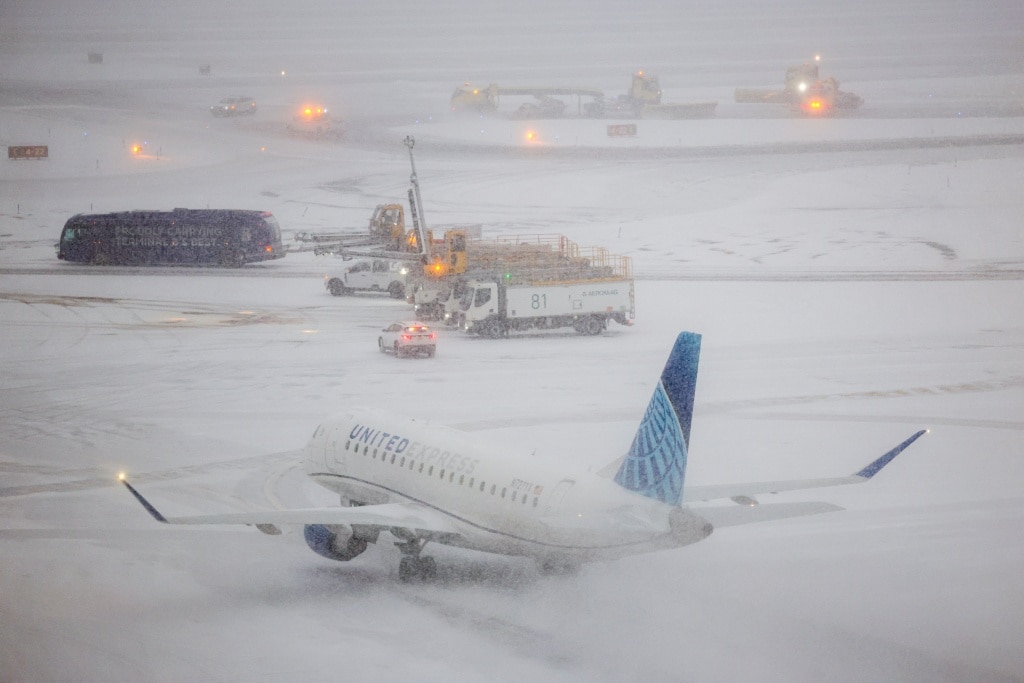
A devastating winter storm, originating from a distorted polar vortex, has unleashed a multi-day assault across the United States, creating treacherous conditions from the Southern states to the Northeast corridor. The system, which began its onslaught on Saturday, has resulted in a cascading crisis of widespread power failures, mass transportation cancellations, and urgent safety warnings from authorities.
As of Sunday morning, over 700,000 utility customers found themselves without electricity, with the most severe impacts felt in regions unaccustomed to such severe winter weather. Tennessee reported nearly 250,000 outages, while Texas, Mississippi, and Louisiana each contended with more than 100,000 customers plunged into darkness. The National Weather Service issued grave warnings, indicating that the combination of snow, sleet, and subsequent re-freezing would render surfaces perilously icy for both drivers and pedestrians well into the coming week.
The storm’s disruptive path forced the preemptive closure of federal offices in Washington D.C. for Monday, while major aviation hubs in Philadelphia, New York, and the capital saw near-total flight groundings. Flight tracking data revealed a staggering operational meltdown with over 10,000 U.S. flights canceled on Sunday alone, compounding more than 4,000 cancellations from the previous day.
With at least 20 states and the District of Columbia declaring states of emergency, officials from Texas to North Carolina and New York issued blanket advisories for residents to remain indoors. The Texas Emergency Management Division emphasized the severity via social media, urging: ‘Stay off the roads unless absolutely necessary.’
Adding to the immediate hazards, forecasters warn of an impending Arctic air mass set to drive temperatures to life-threatening lows across the Northern Plains and Upper Midwest, where wind chills could plummet to a dangerous -50°F (-45°C)—conditions capable of causing frostbite within minutes.
The meteorological phenomenon behind the extreme weather involves an elongated polar vortex, which typically remains confined to the Arctic but has destabilized into an oval shape, spilling frigid air across North America. While the scientific community continues to debate connections between such polar vortex disruptions and climate change, the event has already sparked political commentary, including former President Donald Trump’s skepticism about global warming on his Truth Social platform.
In response to the escalating crisis, the NWS highlighted particular concerns about heavy ice accumulation potentially triggering prolonged power outages and significant tree damage, especially in states ill-equipped for such intense winter conditions.