Spain’s railway infrastructure faces intense scrutiny following two catastrophic derailments within 72 hours, claiming at least 43 lives and leaving dozens injured in the country’s worst rail disaster in over a decade.
The initial tragedy struck Sunday evening near Córdoba when two high-speed trains collided in dense woodland 36 miles from the city. Emergency services responded to what doctors describe as ‘unprecedented carnage.’ Dr. Eduardo Morán of Córdoba’s Reina Sofía Hospital recounted the chaotic scene: ‘We prepared every department – emergency room, intensive care, surgical theaters. The injuries ranged from minor scratches to traumatic amputations.’ Despite the influx of casualties, hospital staff maintained control through rigorous triage protocols.
Investigators are focusing on a potential track gap in the straight section where the collision occurred. Sniffer dogs continue searching through twisted metal and shattered glass as forensic teams work to identify victims.
The tragedy became personal for countless families. Mari Carmen Abril Vega, a teacher returning from a surprise 50th birthday celebration in Córdoba, was among those confirmed dead. Her friend Jose Manuel Muñoz described the emotional whiplash: ‘We spent Saturday celebrating life, then endured two days of uncertainty before receiving confirmation of her death.’
Before the nation could process the first disaster, a second derailment occurred near Barcelona during heavy rainfall, though without fatalities. This incident prompted Spain’s train drivers’ union to announce strikes against what they term ‘unacceptable constant deterioration of railway infrastructure.’
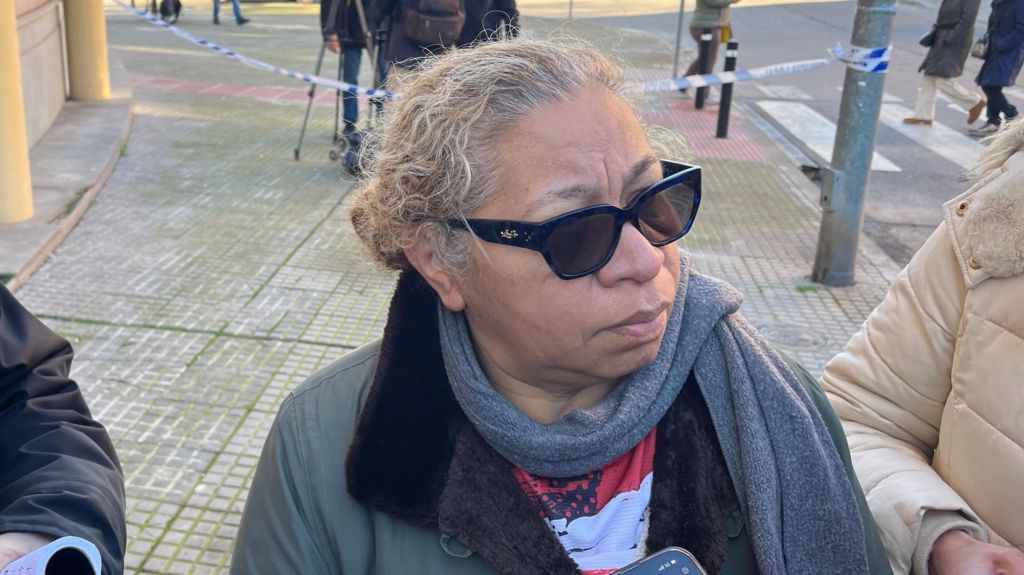
At Córdoba’s Civic Center, families of the missing provide DNA samples under makeshift tents. Yamilei, whose brother-in-law Victor Luis Terán perished due to a last-minute travel change, expressed the collective anguish: ‘We need answers. We cannot continue like this.’
Official calls for patience contrast with growing public demand for accountability as Spain’s rail network faces its most severe safety crisis in modern history.