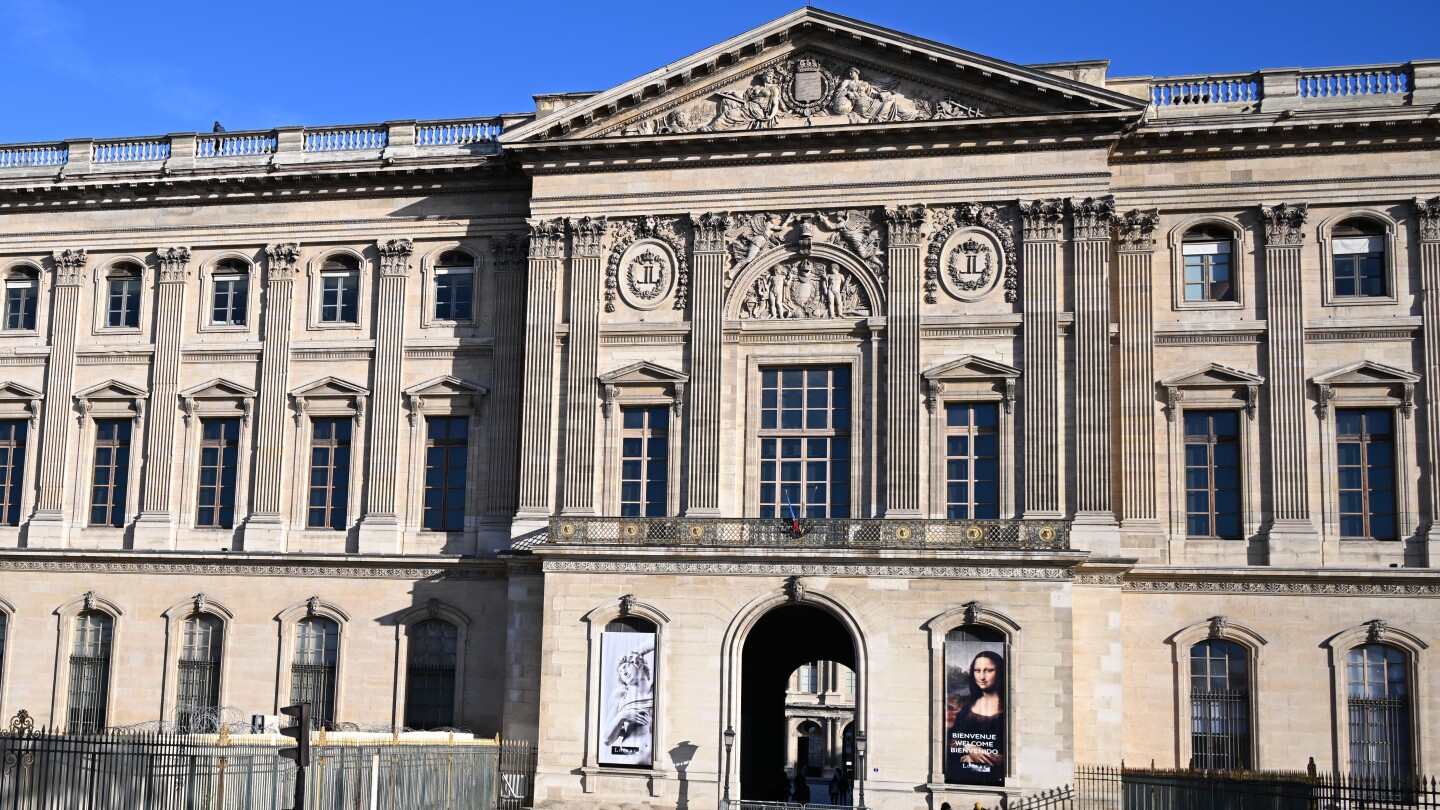
PARIS — The Louvre Museum, the world’s most visited cultural institution, faces a pivotal moment as hundreds of employees convene Monday to determine whether to initiate strike action or continue negotiations with the French government. This decisive vote follows months of escalating tensions over security vulnerabilities and deteriorating working conditions that unions have characterized as a full-blown institutional crisis.
The closed-door assembly, held in the museum’s 500-seat auditorium, will feature union representatives presenting outcomes from recent discussions with Culture Minister Rachida Dati. A subsequent show-of-hands vote could potentially paralyze the vast museum complex, echoing a June strike that left thousands of visitors stranded beneath I.M. Pei’s iconic glass pyramid.
The vote occurs against a backdrop of multiple operational challenges. Recent events include a daring October jewel heist where thieves exploited security weaknesses to steal French crown jewels with barely 30 seconds to spare, as detailed in a Senate inquiry. The report highlighted broken cameras, outdated equipment, understaffed control rooms, and coordination failures that initially dispatched police to incorrect locations.
Additionally, the museum announced temporary closures of staff offices and one public gallery due to structurally compromised floor beams, further compounding operational difficulties.
For employees, the high-profile theft epitomized long-standing concerns that excessive visitor numbers and inadequate staffing have undermined both security protocols and working conditions. These tensions manifested publicly during June’s strike action, creating viral social media images of motionless visitor lines that revealed the institution’s operational fragility.
While union officials acknowledge “quite important progress” in three negotiation rounds last week—including promises of additional full-time hires and increased state funding—they emphasize that proposals remain incomplete and require written confirmation. Alexis Fritche, general secretary of the culture wing of the CFDT union, characterized the progress as “not completely satisfying” while noting employees’ determination balanced against their commitment to keeping the museum accessible.
In a parallel development, the Culture Ministry has assigned Philippe Jost, who oversaw Notre-Dame’s reconstruction, to propose a comprehensive Louvre reorganization based on administrative inquiry findings.
The strike notice submitted to Minister Dati last week by three major unions described the institution as suffering from insufficient resources and “increasingly deteriorated working conditions.” If workers approve strike action, it could commence with a one-day closure (coinciding with the museum’s Tuesday closure) under an open-ended strike notice.
All eyes remain on Monday morning’s meeting outcome, with lawmakers scheduled to visit the museum shortly afterward. France now watches anxiously to determine whether its premier cultural landmark can remain operational amid mounting pressures.