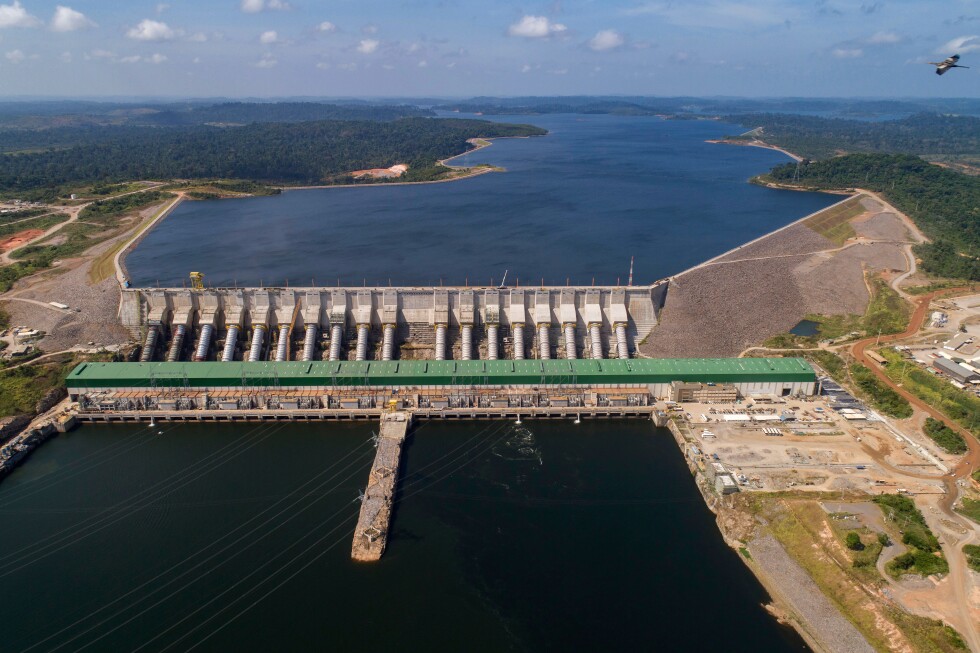
A decade after commencing operations, Brazil’s Belo Monte hydroelectric facility—ranking among the world’s largest hydropower plants—stands at the center of mounting legal challenges and environmental controversies. Brazilian courts have determined that the project has failed to uphold its fundamental commitment to protect local ecosystems and Indigenous communities along the Xingu River, despite explicit conditions set during its approval process.
Originally conceived during Brazil’s military dictatorship in the 1970s, the Belo Monte project gained momentum during President Luiz Inácio Lula da Silva’s second term, eventually becoming operational in 2016. The facility was engineered with a unique design intended to minimize reservoir size and avoid flooding surrounding areas, currently supplying approximately 10% of Brazil’s electricity needs.
However, recent judicial findings reveal the project’s environmental and social impacts have substantially exceeded initial projections. The Brazilian Supreme Court has ordered the federal government to provide 19 million reais ($3.6 million) in compensation to affected Indigenous communities. Separate rulings have compelled Norte Energia, the dam’s operator, to provide clean water to communities whose natural water sources have depleted and to reassess water diversion practices that could potentially reduce power generation capacity.
Indigenous communities, particularly the Juruna people, report catastrophic ecological consequences since the dam’s activation. They describe massive fish die-offs, severely restricted river navigation, and fundamental disruptions to their traditional way of life. Their diet has shifted from protein-rich fish to processed foods, while psychological trauma has become widespread among community members.
Scientific monitoring conducted through an innovative partnership between Indigenous groups and Brazilian research institutions has documented these impacts systematically. Daily data collection on water levels, groundwater conditions, and fish populations has provided crucial evidence demonstrating that Belo Monte’s effects far exceed what Norte Energia originally acknowledged.
The controversy emerges as Brazil implements new legislation that will streamline approval processes for strategic infrastructure projects, reducing licensing timelines from 6-7 years to just 12 months. Environmental experts warn this accelerated approach may lead to reduced scrutiny of social and environmental impacts, potentially repeating Belo Monte’s problematic pattern across future developments.
Energy security concerns complicate the situation, as Norte Energia contends that court-ordered modifications to water management could increase electricity prices and force greater reliance on carbon-intensive thermal power plants. Meanwhile, climate change intensifies the challenges, with worsening droughts already reducing the dam’s operational efficiency.
Environmental advocates emphasize that Belo Monte represents a critical test case for Brazil’s infrastructure development approach in an era of climate change. They argue that true climate leadership requires not only deforestation control but also responsible infrastructure planning that rigorously addresses social and environmental consequences.