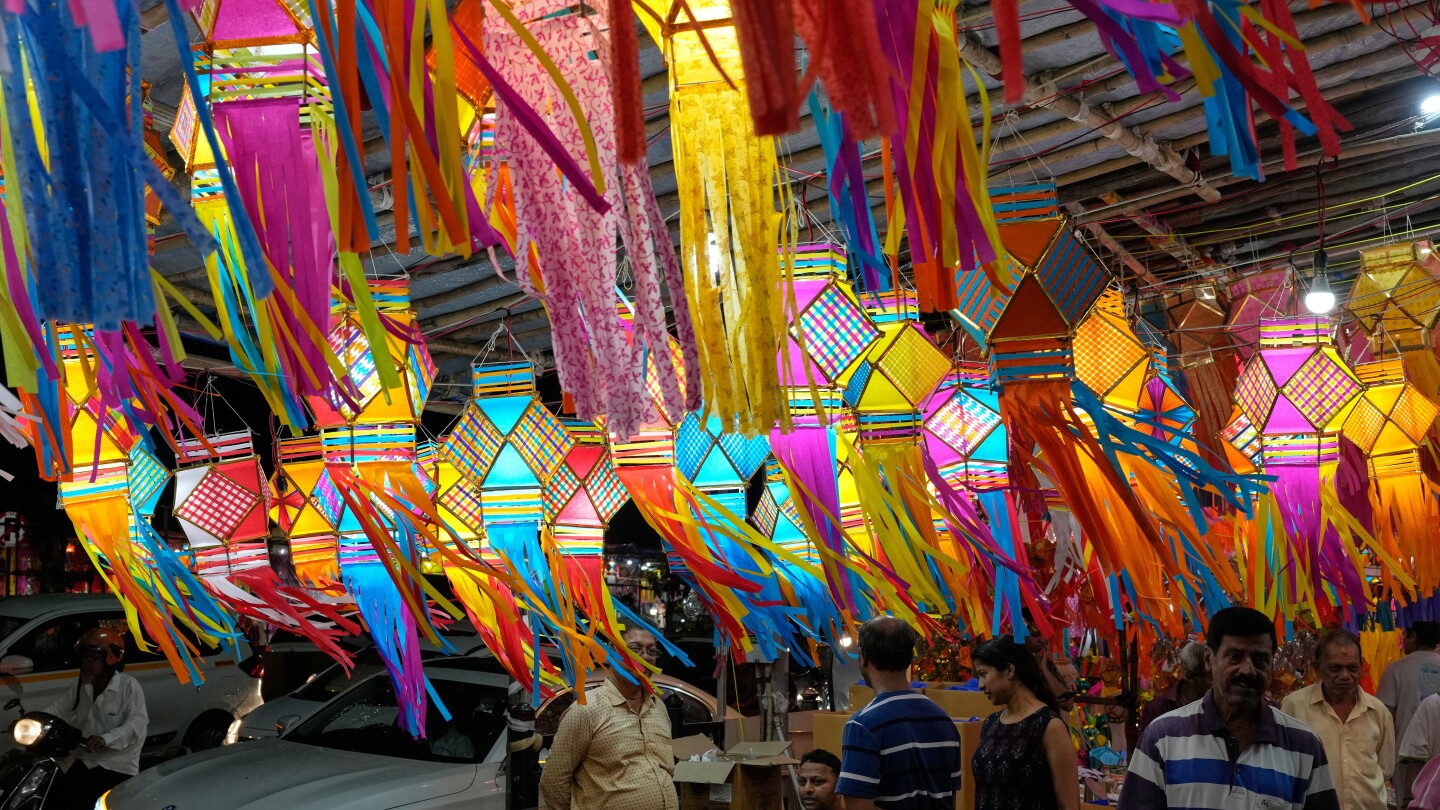
Diwali, the Festival of Lights, stands as the most significant annual celebration in India, particularly for Hindus, yet it transcends religious boundaries, embraced by over a billion people globally. This five-day festival, rooted in the Sanskrit word ‘Deepavali’ meaning ‘a row of lights,’ symbolizes the triumph of light over darkness and knowledge over ignorance. Celebrants illuminate their homes with traditional clay oil lamps, fostering a sense of unity and spiritual renewal. This year, Diwali falls on October 20, aligning with the Hindu lunar calendar. While its origins vary by region, the overarching theme remains consistent: the victory of good over evil. In southern India, Diwali commemorates Lord Krishna’s defeat of the demon Naraka, while in the north, it honors Lord Rama’s return from exile. The festival is marked by vibrant traditions, including fireworks, feasts, rangoli art, and the exchange of sweets and gifts. Unique regional practices, such as the early morning oil bath in the south and the worship of Goddess Lakshmi in the north, further enrich the celebrations. Despite concerns over air pollution, India’s Supreme Court has permitted the use of ‘green fireworks’ to mitigate environmental impact. Beyond Hinduism, Diwali holds significance for Sikhs, Jains, and Buddhists, each observing the festival with their own narratives. In a landmark move, California has designated Diwali as an official state holiday, joining Pennsylvania and Connecticut in recognizing the festival’s cultural importance. This decision underscores the growing acknowledgment of Diwali’s universal appeal and its role in fostering inclusivity.