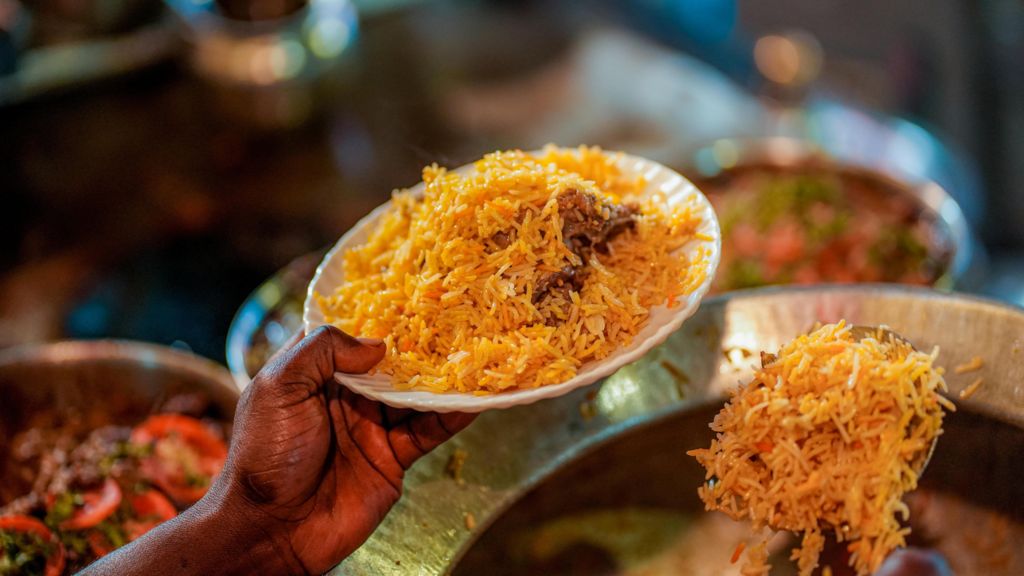
The northern Indian city of Lucknow has received international recognition as UNESCO designated it a Creative City of Gastronomy, placing it among 408 cities worldwide committed to leveraging creativity for sustainable urban development. This prestigious accolade makes Lucknow only the second Indian city after Hyderabad to join this exclusive network.
UNESCO’s Regional Director for South Asia, Tim Curtis, emphasized that this designation serves as a testament to Lucknow’s profound culinary heritage and dynamic food ecosystem, simultaneously honoring its cultural legacy while creating opportunities for global collaboration.
The city’s gastronomic identity traces back to the 18th and 19th centuries when it served as the capital of the Awadh region under wealthy Muslim rulers known as Nawabs. Their royal kitchens became centers of culinary innovation, blending Persian and Indian techniques to create what is now known as Awadhi cuisine. Among their most significant contributions was the Dum pukht method—slow-cooking ingredients in a sealed pot with dough—developed during Nawab Asaf-ud-Daulah’s reign to address famine conditions through a work-for-food program.
Lucknow’s culinary landscape features iconic dishes including melt-in-the-mouth kebabs like the galouti kebab, created for a toothless nawab using finely minced meat with papaya and spices. The city’s distinctive biryani, kormas, sheermal (saffron flatbread), and shahi tukda (bread pudding) further demonstrate its rich gastronomic diversity.
Beyond meat-based specialties, Lucknow offers a vegetarian paradise with seasonal delights and street food like chaat. The city boasts generations-old establishments such as Sharmaji Tea Stall, operating since 1949 and famous for its masala chai served in clay glasses, and Netram, a 150-year-old institution renowned for kachoris and jalebis.
Seasonal specialties include makkhan malai, a frothy winter dessert created through a scientific process of dew-exposed, hand-churned milk. However, concerns exist about the preservation of such traditional methods as younger generations show declining interest in these culinary arts.
Local advocates including celebrity chef Ranveer Brar and Madhavi Kuckreja of the Sanatkada Trust emphasize that UNESCO recognition should spotlight lesser-known eateries and family recipes that constitute Lucknow’s living culinary history. They hope this international acknowledgment will encourage global visitors to explore the stories behind each dish and sustain the city’s food traditions for future generations.