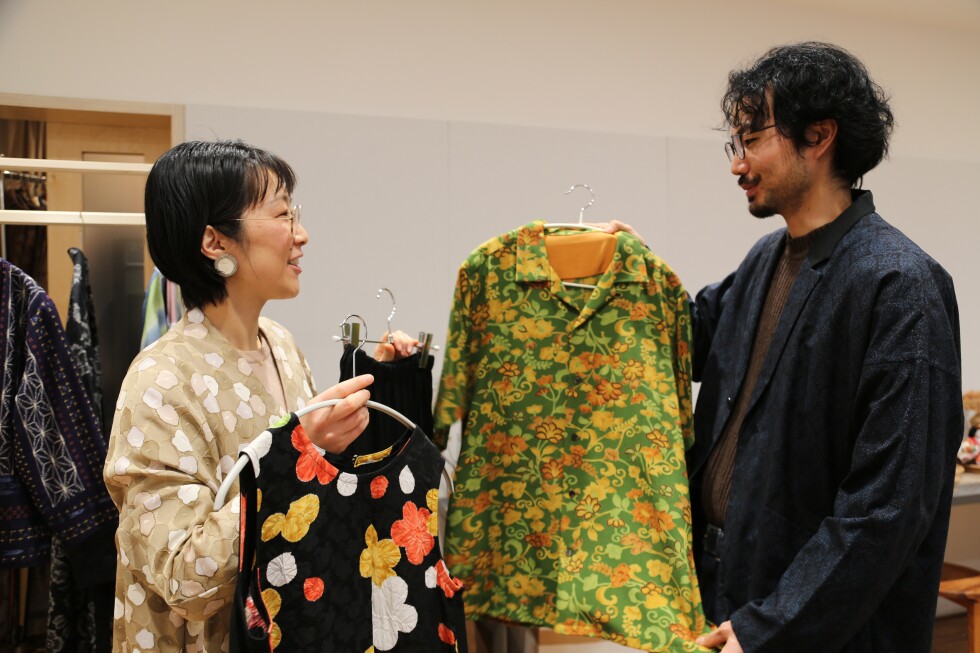
TOKYO — The iconic kimono, Japan’s centuries-old traditional garment once worn by geisha and samurai, is experiencing a remarkable transformation that aligns with contemporary environmental values. This elegant wrap-around attire, whose name literally translates to “worn thing,” is being reimagined through innovative sustainable practices that honor its cultural heritage while addressing modern ecological concerns.
Authentic silk kimonos possess extraordinary longevity, often enduring for a century or more within Japanese families. These garments are traditionally passed down through generations alongside precious heirlooms, artworks, and military medals, maintaining their timeless appeal regardless of changing fashion trends. The fundamental design of the kimono and its accompanying obi sash has remained largely unchanged since the 17th century Edo period, as immortalized in Akira Kurosawa’s samurai films.
Contemporary designers are now adopting creative approaches to revitalize these traditional garments, deconstructing and repurposing them into modern apparel such as jackets, dresses, and trousers. Mari Kubo, founder of the kimono remake enterprise K’Forward, identified the untapped potential within countless household closets. “I noticed that a multitude of beautiful kimonos remain dormant in people’s storage spaces,” Kubo observed. “This represents such tremendous waste.”
K’Forward belongs to a growing sector of businesses that transform vintage kimonos into diverse products including tote bags and decorative dolls. Among their most sought-after items are tomesode—formal black kimonos featuring elaborate embroidered patterns of flowers, birds, or foliage at the hemline. Kubo specializes in creating coordinated ensembles where a tomesode becomes a jacket with preserved flowing sleeves, complemented by matching skirt or trousers crafted from coordinating kimono fabric. Occasionally, obi sashes are incorporated as colorful collar accents.
These reinvented garments particularly appeal to younger consumers seeking kimono aesthetics without traditional wearing complexities. Pricing reflects the transformation process, with a repurposed furisode (vibrant long-sleeved kimono for unmarried women) reaching approximately 160,000 yen ($1,000), while a black tomesode outfit costs around 25,000 yen ($160).
Tomoko Ohkata, another designer working with recycled kimonos, emphasizes the ecological satisfaction derived from her craft. “I experience no guilt in this work,” she explained. “Instead, I feel I’m contributing to environmental solutions—a practice that echoes our ancestors’ wisdom.” Japanese recycling facilities receive thousands of discarded kimonos daily as younger generations discover these inherited garments stored by parents and grandparents. With kimonos now primarily reserved for special occasions like weddings—where many Japanese women prefer Western-style white dresses or both attire options—these traditional garments often remain unused.
Ohkata’s clientele typically consists of individuals discovering family kimonos and seeking meaningful revitalization. Her Tokyo boutique features exquisite dolls dressed in meticulously tailored recycled kimono fabrics, including samurai and wife pairs traditionally displayed during March’s Girls’ Day festival. These artisanal creations command prices of 245,000 yen ($1,600) per set.
Simultaneously, traditional kimono wearing is undergoing renewed appreciation. Nao Shimizu, who operates a kimono school in Kyoto, highlights the garment’s adaptable nature: “Unlike fixed-form dresses, kimonos offer arrangement possibilities.” She demonstrates how obi tying techniques can express varying moods, from playful to subdued, while noting that younger enthusiasts increasingly combine kimonos with boots rather than traditional zori sandals.
While mastering self-dressing requires approximately six months of training—comparable to learning a musical instrument—professional assistance remains available at beauty parlors, hotels, and specialty shops. Though most Japanese might wear kimonos only a few times during their lives, the experience creates lasting memories.
Sumie Kaneko, a New York-based musician performing on traditional koto and shamisen instruments, frequently wears striking dresses made from recycled kimonos. She connects sustainability to broader Japanese cultural principles, noting the growing scarcity of materials like ivory and animal hide used in her instruments. Kaneko conceptualizes this practice as “the recycling of life,” explaining: “Performers breathe new existence into these materials. Similarly, past moments—along with once-cherished patterns and colors—can experience revitalization.”