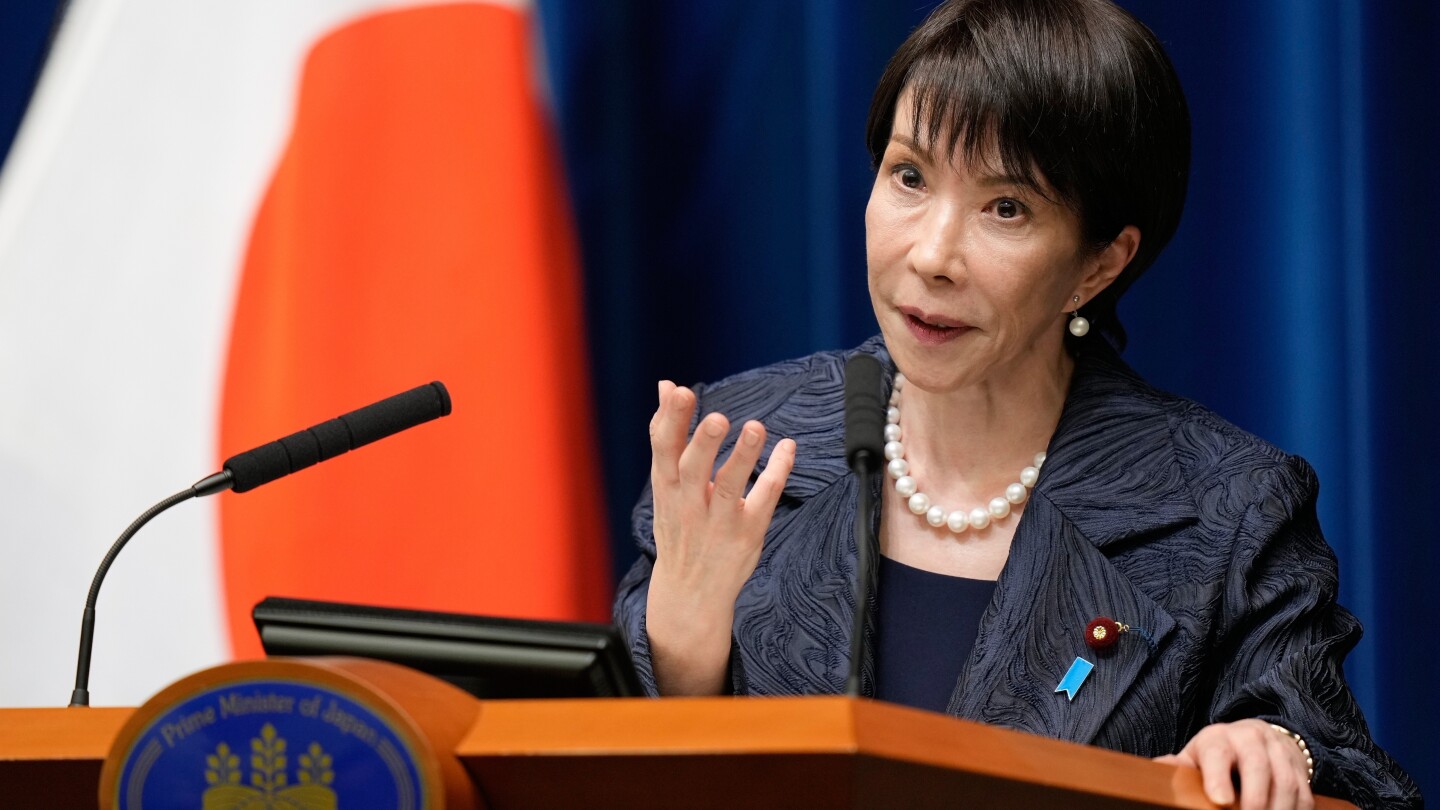
Sanae Takaichi, Japan’s first female prime minister, has sparked a national debate over the long-standing taboo barring women from entering the sumo ring. While Takaichi’s historic election in October marked a significant milestone for gender equality in Japan, her stance on traditional gender roles has raised questions about whether she will challenge this cultural norm. The issue came to the forefront as the Kyushu Grand Sumo Tournament concluded, with the winner traditionally receiving the Prime Minister’s Cup from the prime minister. However, Takaichi, who was attending the G20 summit in South Africa, missed the opportunity to make a decision this time. Her next chance will be during the New Year’s tournament in Tokyo. The controversy over women’s exclusion from the sumo ring is part of a broader debate about gender equality in Japan, where women are still banned from certain sacred spaces and festivals due to historical beliefs about female ‘impurity.’ Despite efforts to eliminate such bans, they persist in some religious and cultural practices. Sumo, with its 1,500-year history, has faced criticism for its exclusion of women, though the Japan Sumo Association denies that the ban is rooted in Shinto beliefs about impurity. Takaichi, a staunch conservative, has not indicated whether she will challenge the tradition, but her decision could have significant implications for Japan’s evolving gender dynamics.