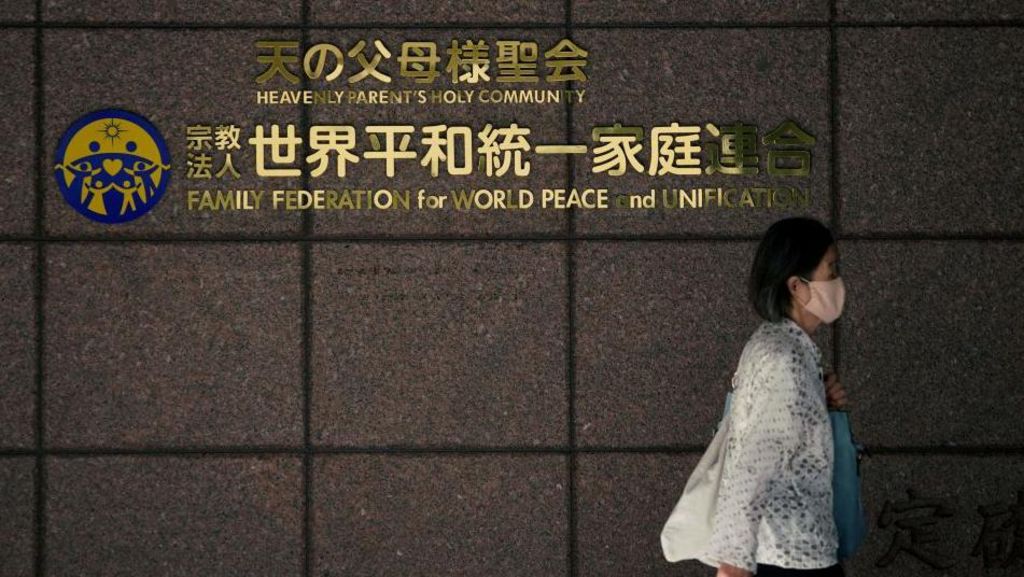
In a landmark judicial decision with profound implications for religious regulation in Japan, the Tokyo High Court has affirmed a lower court’s ruling to dissolve the controversial religious organization known as the Unification Church. This verdict represents the first instance of Japan’s judicial system ordering the dissolution of a religious entity under the country’s legal framework.
The case originated from extensive investigations by Japan’s Education and Culture Ministry, which presented evidence demonstrating systematic manipulation of followers through psychological coercion. The ministry’s findings revealed that church leadership employed sophisticated manipulation techniques to pressure members into making exorbitant financial contributions, often driving families into severe financial distress.
The judicial scrutiny intensified dramatically following the 2022 assassination of former Prime Minister Shinzo Abe. The perpetrator, Tetsuya Yamagami, explicitly cited his family’s financial devastation caused by the church’s donation practices as motivation for the attack. Yamagami, who received a life sentence in January and has since appealed, held personal grievances against Abe due to the politician’s perceived connections with the organization.
Subsequent parliamentary investigations uncovered extensive networks between the church and numerous conservative lawmakers, raising questions about political influences and prompting broader examinations of religious-political relationships in Japanese society.
The dissolution order effectively revokes the church’s tax-exempt privileges and mandates asset liquidation, though the organization may continue limited operations. While Wednesday’s ruling takes immediate effect, the church retains the right to appeal to Japan’s Supreme Court, potentially prolonging the legal battle.
The Unification Church, founded by the late Sun Myung Moon who was venerated as a messianic figure by followers, has long faced criticism for its unconventional teachings and aggressive fundraising methodologies. Investigators documented numerous instances where members were coerced into purchasing excessively priced items through exploitation of spiritual anxieties.