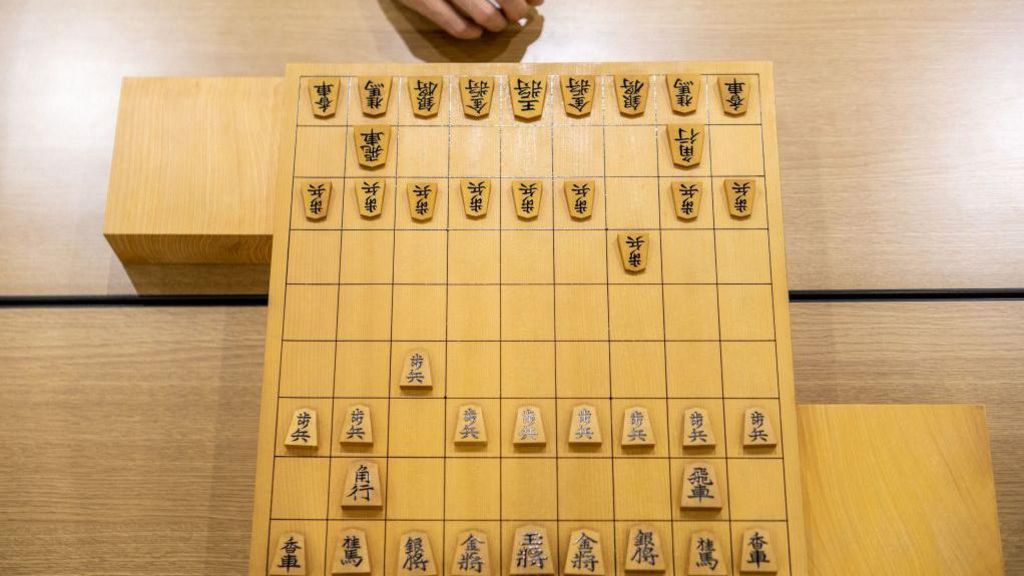
Japan’s professional shogi community is confronting a significant gender equity controversy following public criticism from one of its most accomplished players regarding pregnancy-related competition bans. Kana Fukuma, a decorated shogi master, has compelled the Japan Shogi Association to apologize and reconsider regulations that effectively force female players to choose between motherhood and their professional careers.
The current framework mandates that pregnant competitors must withdraw from title matches during a 14-week period surrounding their expected delivery date—spanning six weeks before through eight weeks after childbirth. This policy results in automatic forfeiture of all tournaments and potential titles during this mandatory absence, creating what Fukuma characterizes as a system that “significantly restricts reproductive rights” for professional players.
At a Wednesday news conference, the 33-year-old player—who has competed professionally since 2003—shared her personal struggle: “I hesitated to have a child while pursuing my career in shogi, which is everything to me.” Before welcoming her first child in December 2024, Fukuma was compelled to withdraw from multiple tournaments due to pregnancy-related health considerations.
In a formal request submitted Tuesday, Fukuma proposed specific reforms: adjusting match schedules or venues for pregnant players, permitting competition during pregnancy when medically advisable, and guaranteeing that titles remain protected during maternity leave. The association has responded by committing to review the regulations after consulting medical experts and evaluating both player safety and competitive fairness.
The controversy has ignited vigorous discussion across Japanese social media platforms, with critics labeling the current rules as fundamentally misogynistic. Comparative discussions have emerged referencing more accommodating policies in international professional sports, such as tennis’s “protected rankings” system that enables athletes returning from extended absences—including maternity leave—to compete in major tournaments based on their pre-leave standings.
This development occurs against the backdrop of Japan’s ongoing national concerns about demographic decline and gender equality in traditional institutions, positioning the shogi association’s response as a potentially significant indicator of evolving attitudes toward working mothers in the country’s professional spheres.