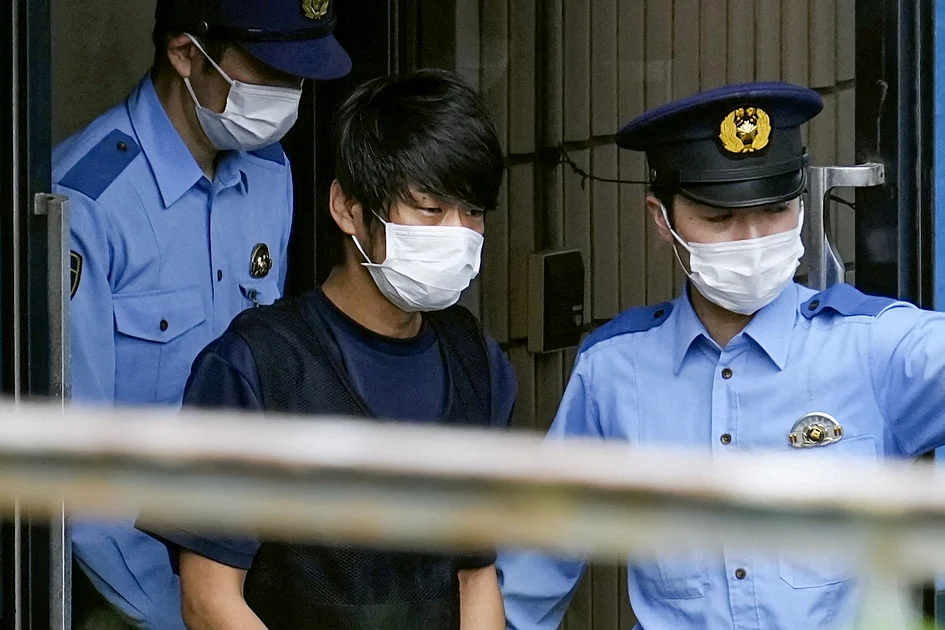
A Japanese court has delivered a life imprisonment verdict to Tetsuya Yamagami, the 45-year-old perpetrator behind the assassination of former Prime Minister Shinzo Abe in July 2022. The Nara District Court’s ruling concludes a landmark case that has captivated Japan for over three years, marking one of the most significant political violence incidents in the nation’s post-war history.
Yamagami, who admitted to crafting a homemade firearm and fatally shooting Abe during a campaign speech in western Nara, faced certain conviction following his October court admission. Prosecutors had characterized the assassination as “an extremely grave incident unprecedented in post-war history” during last month’s sentencing request.
The court proceedings revealed complex motivations behind the attack, with Yamagami expressing resentment toward the Unification Church after his mother’s substantial donations to the organization created severe financial distress for his family. Media reports indicated the assailant targeted Abe due to the former prime minister’s recorded video message to an event affiliated with the church.
This assassination exposed extensive connections between Japan’s ruling Liberal Democratic Party (LDP) and the controversial religious group, with internal investigations revealing over hundred lawmakers maintained dealings with the organization. The disclosure has significantly eroded public trust in the long-dominant political party.
Despite stepping down in 2020 citing health concerns, Abe remained Japan’s longest-serving prime minister with 3,188 days in office across two terms and continued to wield considerable influence within the LDP. His death created a political vacuum that has resulted in two leadership transitions and diminished party stability under current Prime Minister Sanae Takaichi, Abe’s political protégée.
Internationally, Abe was recognized for forging strong diplomatic ties, particularly his unique relationship with former U.S. President Donald Trump, being the first foreign leader to meet Trump after his 2016 election victory. Their bond, strengthened through numerous golf meetings across both nations, continues to influence current Japan-U.S. relations under the Takaichi administration.
Yamagami’s defense team argued for a reduced sentence of maximum 20 years, citing the defendant’s family hardships caused by the religious organization’s financial demands. The court ultimately rejected these mitigating circumstances in delivering Japan’s most severe punishment short of capital punishment.