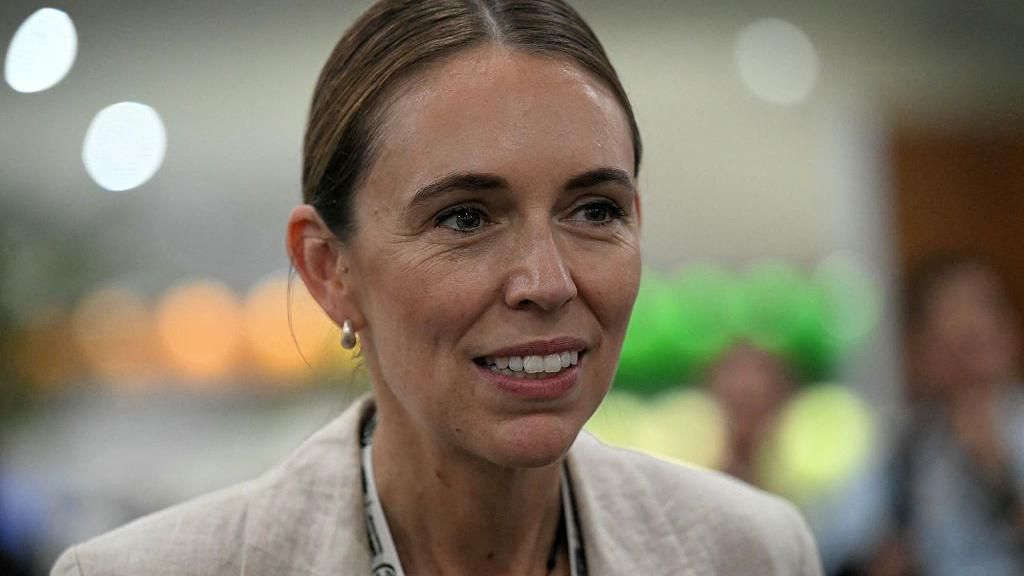
New Zealand is confronting an unprecedented emigration crisis as its citizens depart in record numbers, with former Prime Minister Jacinda Ardern’s recent relocation to Sydney intensifying scrutiny on the nation’s struggle to retain talent. Despite its global reputation as an idyllic haven, the country is hemorrhaging approximately 180 residents daily—totaling over 66,000 departures last year—creating significant demographic challenges for a nation of merely 5.3 million people.
This exodus represents a deepening structural trend rather than a temporary fluctuation. Migration expert Alan Gamlen from Australian National University notes that while overseas experience has long been a cultural rite of passage for young New Zealanders, the past five years have witnessed a troubling shift toward permanent relocation. Economic pressures including decade-high unemployment outside pandemic periods, wage stagnation against persistent inflation, and among the developed world’s highest grocery prices are primary drivers.
The housing crisis compounds these challenges, with affordability constraints and supply shortages driving both rental and purchase costs to prohibitive levels. These economic realities are fracturing families and communities, as illustrated by opposition MP Ginny Anderson’s personal account of her son moving to Melbourne for work and her brother teaching in China for better wages.
Australia remains the predominant destination, absorbing roughly half of New Zealand’s emigrants through favorable work rights and superior economic prospects. While some experts note potential long-term benefits through expanded global networks and returning talent, lawmakers acknowledge urgent needs for economic revitalization. With general elections approaching in November, policy proposals range from immigration adjustments to infrastructure investments, though governing coalition members attribute current challenges to pandemic aftermath.
Ardern’s move, while personally motivated by family considerations and professional opportunities according to her office, symbolizes broader patterns affecting citizens across socioeconomic spectrums. As Housing Minister Chris Bishop concedes, despite government efforts toward progress, ‘a deep unease’ persists among New Zealanders about the nation’s trajectory and capacity to provide prosperous futures.