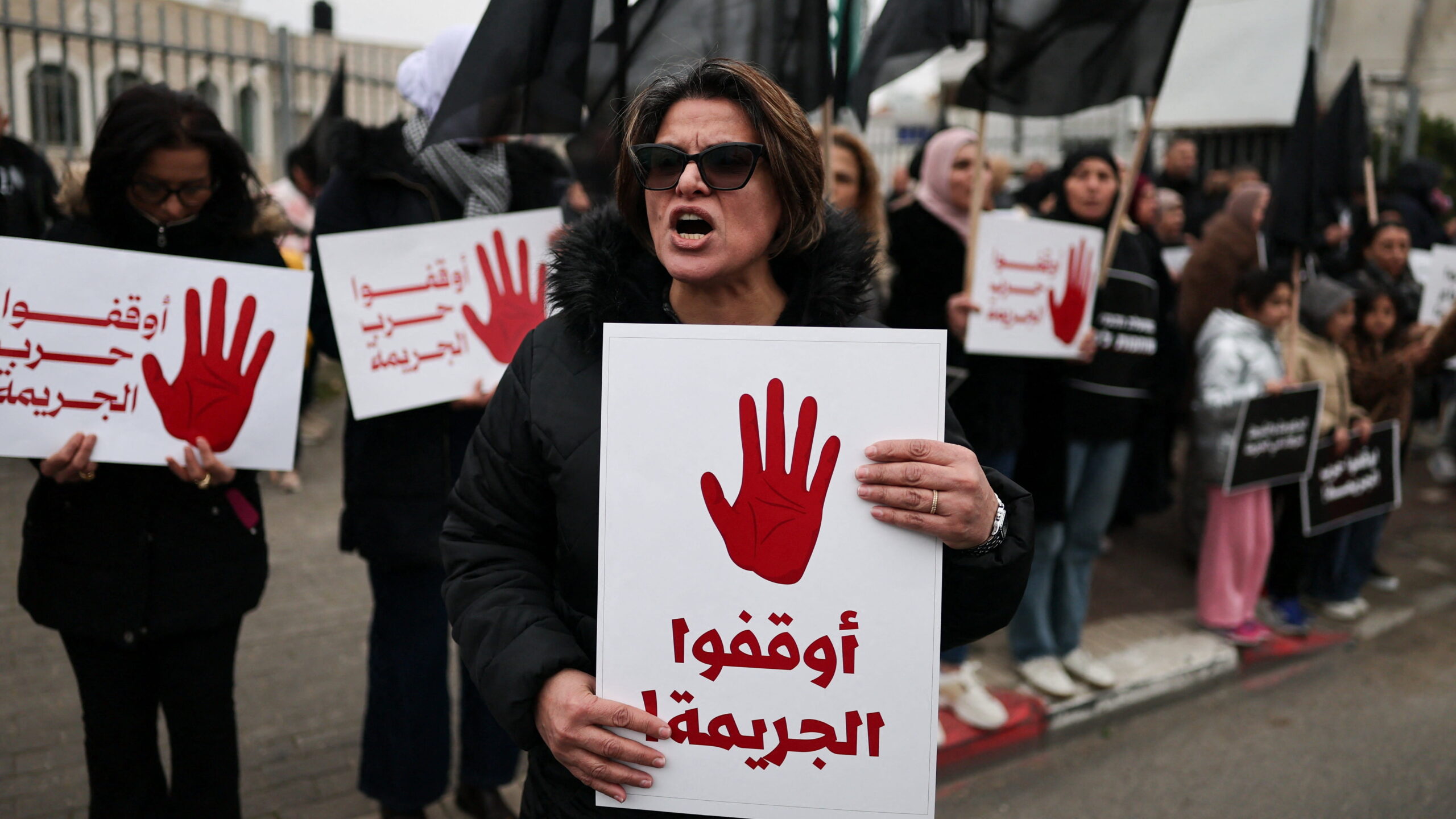
A wave of mass civil disobedience has swept through Palestinian communities within Israel, as tens of thousands of citizens initiated a widespread general strike. This unprecedented mobilization represents one of the largest demonstrations in years, driven by mounting fury over escalating violence and organized crime that authorities have allegedly failed to curb.
The movement originated in the northern city of Sakhnin on Tuesday, where municipal leaders, community committees, and parent associations declared an open-ended shutdown. Their collective action protests what they describe as rampant gun violence and official complicity in criminal networks. The protest movement has since gained momentum across numerous Palestinian-majority towns, creating a significant challenge to Israeli law enforcement agencies.
This civil unrest emerges against a backdrop of record-breaking violence within these communities. According to data from the Abraham Initiatives NGO, 2025 has become the deadliest year on record with 252 Palestinian citizens killed in criminal incidents—marking a disturbing increase from the 230 fatalities documented in 2024. The current year has already witnessed at least 19 such deaths.
The High Follow-Up Committee for Arab Citizens of Israel, an umbrella organization representing the community, issued a powerful statement declaring that ‘organized crime sponsored by the Israeli establishment is not fate. Fear is not an option.’ The committee emphasized their fundamental right to security and normal family life.
Political parties have joined the cause, with the Balad party urging expanded participation and labeling involvement in the movement as ‘a national duty.’ Online footage shows protesters carrying banners demanding an end to violence, organized crime, and police negligence in Palestinian areas.
This current crisis unfolds within a broader context of systemic discrimination. Despite holding Israeli citizenship, Palestinian communities have historically faced discriminatory laws and practices, including military rule from 1948-1966. Descendants of native Palestinians who remained during the 1948 Nakba—when approximately 750,000 were displaced—they constitute about 20% of Israel’s population yet continue to experience institutional inequality.
The situation has reportedly deteriorated since October 2023, with over 30 new laws allegedly deepening what rights groups describe as an apartheid system. A November report from legal center Adalah detailed how these laws target Palestinian political and civil rights, including freedoms of expression, protest, and thought, plus restrictions on citizenship, family life, and equality rights.
Notable legislation includes expanded counterterrorism laws applied predominantly to Palestinian citizens and residents of occupied East Jerusalem, alongside welfare benefits exclusively directed to Jewish Israeli reservists. Adalah contends these measures institutionalize ‘Jewish ethno-national supremacy’ through Israel’s constitutional framework, enabling widespread rights violations against Palestinian detainees and prisoners through repeatedly renewed emergency measures.