In an unprecedented development for space operations, NASA has initiated the first controlled medical evacuation from the International Space Station following an undisclosed health incident involving a crewmember. The decision, announced Thursday, marks a historic moment in the orbital laboratory’s 25-year continuous habitation.
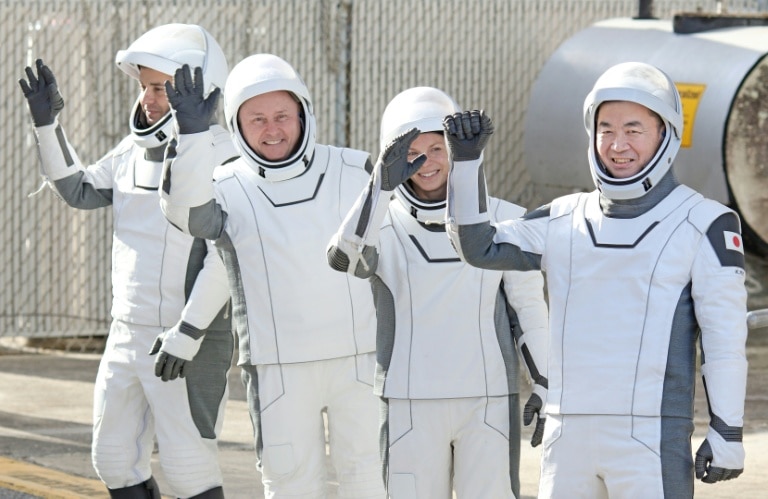
The four astronauts of NASA-SpaceX Crew-11 mission—American astronauts Mike Fincke and Zena Cardman, Japanese space agency member Kimiya Yui, and Russian cosmonaut Oleg Platonov—will conclude their mission ahead of schedule, returning to Earth within days via standard splashdown procedures. Officials emphasized this does not constitute an emergency evacuation but rather a precautionary measure.
NASA Chief Medical Officer Dr. James Polk explained the decision stemmed from persistent uncertainties regarding the crewmember’s condition rather than immediate danger. “We’re dealing with lingering risk and a lingering question as to what that diagnosis is,” Polk stated during the briefing. The affected astronaut, whose identity remains confidential, is reported in stable condition with no connection to station operations or injuries.
Amit Kshatriya, NASA’s associate administrator, highlighted the significance of this milestone: “This is the first time we’ve done a controlled medical evacuation from the vehicle. The crew demonstrated exceptional professionalism in managing this unexpected medical situation, exactly as trained.”
The Crew-11 mission launched from Kennedy Space Center on August 1, 2025, and was originally scheduled to conclude in early 2026 after approximately six months in orbit. Their premature return will necessitate adjustments to station operations, including the postponement of a planned 6.5-hour spacewalk intended for power system upgrades.
NASA officials confirmed that Chris Williams, who arrived via Russian spacecraft, will maintain American presence aboard the station alongside Russian cosmonauts Sergey Kud-Sverchkov and Sergei Mikaev. The agency is evaluating potential schedule modifications for subsequent missions to minimize operational disruptions.
The International Space Station, continuously occupied since November 2000, serves as a critical platform for scientific research advancing humanity’s capabilities for deep space exploration, including future missions to Mars. The station is scheduled for decommissioning after 2030, with planned atmospheric disposal over the remote Pacific Ocean region known as Point Nemo.