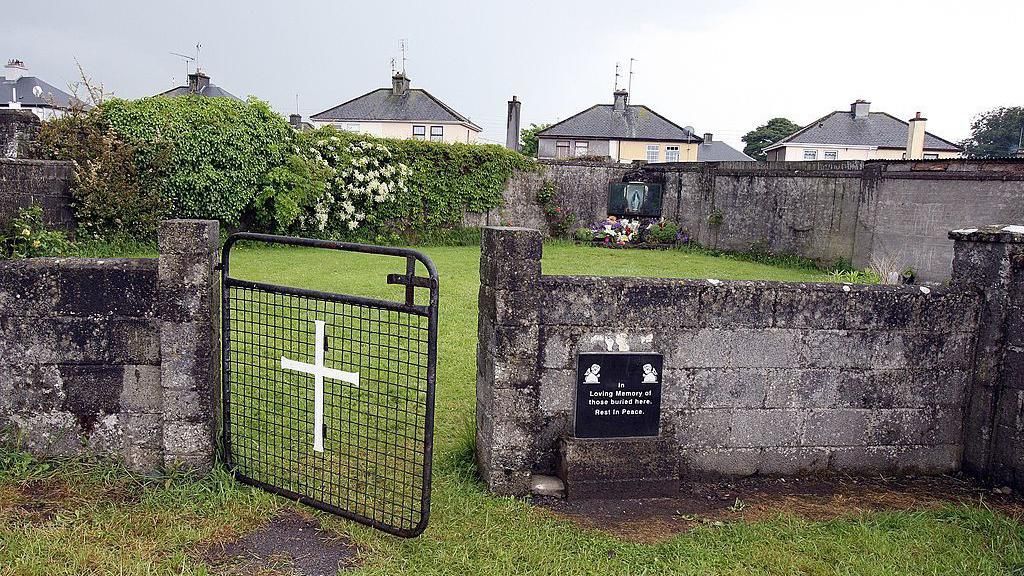
Archaeologists excavating the site of a former mother-and-baby institution in Tuam, County Galway, have uncovered seven sets of infant remains. The institution, operated by the Bon Secours Sisters and open from 1925 to 1961, has long been a subject of controversy. The Office of the Director of Authorised Intervention, Tuam (ODAIT), which began the excavation in July, issued its third monthly update, revealing the discovery of the remains near a ‘vaulted structure’ on the western edge of the site. Initial assessments suggest the remains belong to infants, but further analysis, including radiocarbon dating, will be required to determine their age and historical context. This process is expected to take at least three months. The site, previously used as a military barracks and a workhouse, has a complex history, making it challenging to pinpoint the exact era of the remains. ODAIT also reported finding two additional sets of remains believed to date back to the workhouse era, alongside numerous artifacts, including personal items like a razor. The excavation has drawn international attention since 2014, when local historian Catherine Corless revealed that 796 children and babies died at the institution without burial records. In 2017, Irish government investigators discovered ‘significant quantities of human remains’ in underground chambers. ODAIT continues to collaborate with the National Museum of Ireland to manage and analyze the findings.