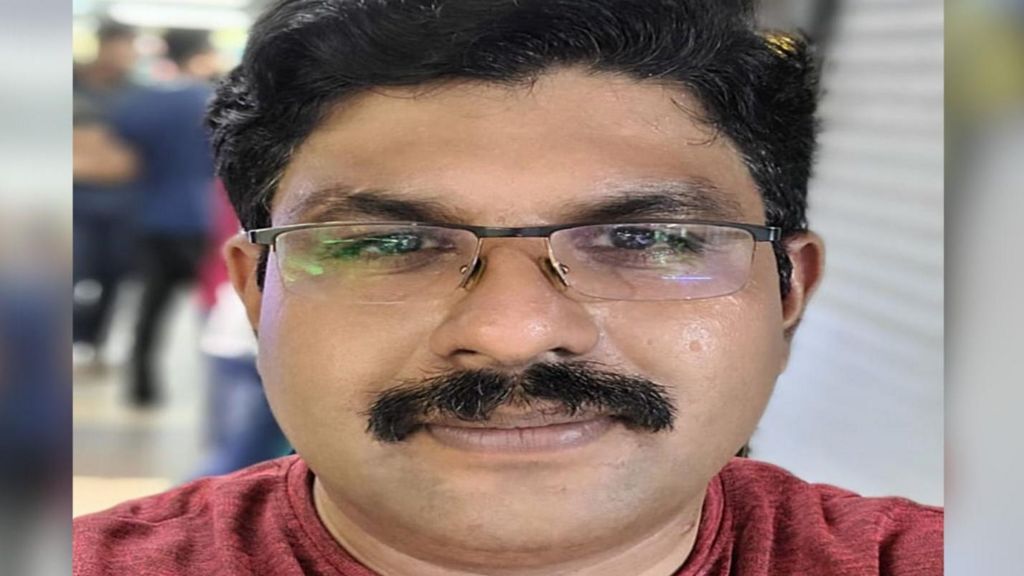
A tragic case in Kerala, India, has ignited intense national discourse on social media justice, public shaming, and gender dynamics after a man died by suicide following sexual harassment allegations. Deepak U, a 42-year-old textile sales representative, took his own life on January 18, just two days after a video accusing him of inappropriate physical contact on a public bus went viral across social platforms.
The accuser, 35-year-old Shimjitha Musthafa—a content creator affiliated with the Indian Union Muslim League political party—recorded and published footage alleging Deepak deliberately elbowed her breast while traveling on a crowded bus last Friday. In a nation where public sexual harassment remains prevalent, the video initially drew widespread support for Musthafa and condemnation toward Deepak.
However, the situation escalated dramatically when Deepak’s family filed a formal police complaint alleging online harassment and ‘social media trial’ led to his suicide. Authorities subsequently arrested Musthafa under non-bailable charges related to abetment to suicide, and she has been remanded to 14 days judicial custody. The Kerala Human Rights Commission has directed Kozhikode police to submit an investigation report within one week.
The case has revealed sharply divided public perspectives. Men’s rights activists and Deepak’s supporters argue the video evidence was inconclusive and created unbearable public shaming that cost an innocent man his life. Conversely, many women’s rights advocates maintain Musthafa acted appropriately to document what she perceived as sexual assault, highlighting India’s ongoing struggle with public harassment.
Deepak’s friends describe him as a decent person who denied all allegations, claiming exhaustion from work made him unaware of his surroundings on the bus. Meanwhile, Musthafa maintains in follow-up videos that she recorded the incident to protect other women and that Deepak’s actions were intentional. The case continues to spark conversations about digital ethics, gender relations, and justice mechanisms in the social media age.