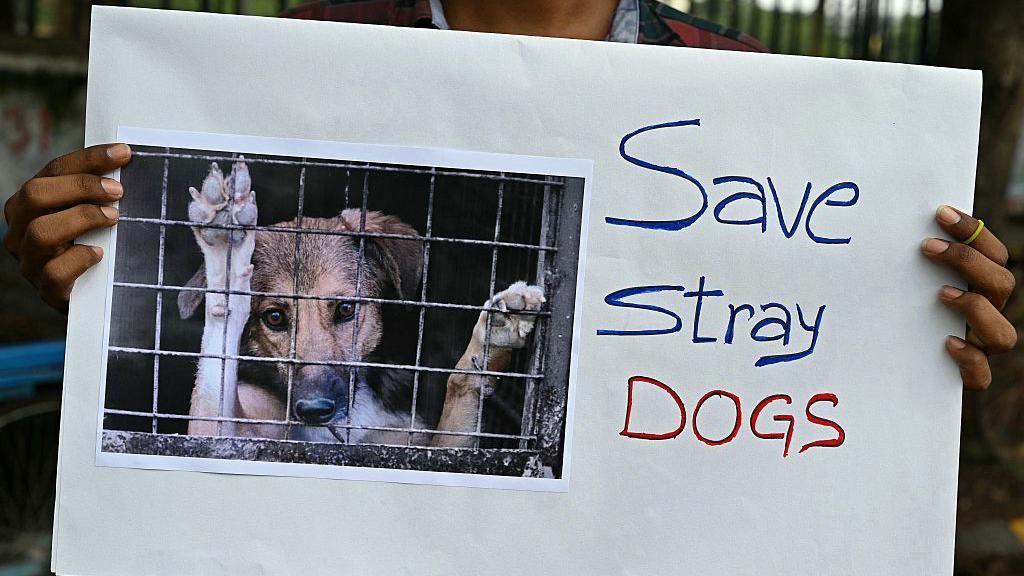
A widespread and systematic culling of stray dogs across multiple villages in India’s southern state of Telangana has triggered criminal investigations and national debate about animal welfare practices. Police authorities have confirmed at least 354 canine deaths through poisoning or lethal injections since late December, resulting in nine arrests including village council officials.
The killings, which occurred across six villages in three districts, appear connected to political promises made during recent local elections to remove stray animals. While villagers cite legitimate concerns about rabies, traffic accidents, and crop damage from stray animals, the scale and methods of these killings have drawn condemnation from animal rights groups and government officials alike.
Telangana State Minister Danasari Anasuya Seethakka characterized the actions as ‘illegal and inhumane,’ vowing strict consequences for those responsible. The controversy emerges amid ongoing Supreme Court deliberations regarding India’s stray animal management, particularly in urban areas like Delhi where removal programs have faced legal challenges and public protests.
Forensic analysis remains ongoing to determine exact causes of death, with activists alleging the actual death toll significantly exceeds official numbers. The incident highlights India’s complex relationship with stray animals—seen both as community companions and public nuisances—while exposing deficiencies in sterilization programs, waste management, and animal protection laws.
Simultaneously, reports of similar treatment toward monkeys in Kamareddy district suggest broader patterns of unauthorized animal control measures, despite Telangana recording no rabies deaths among its 122,000 documented dog bite cases in 2024.