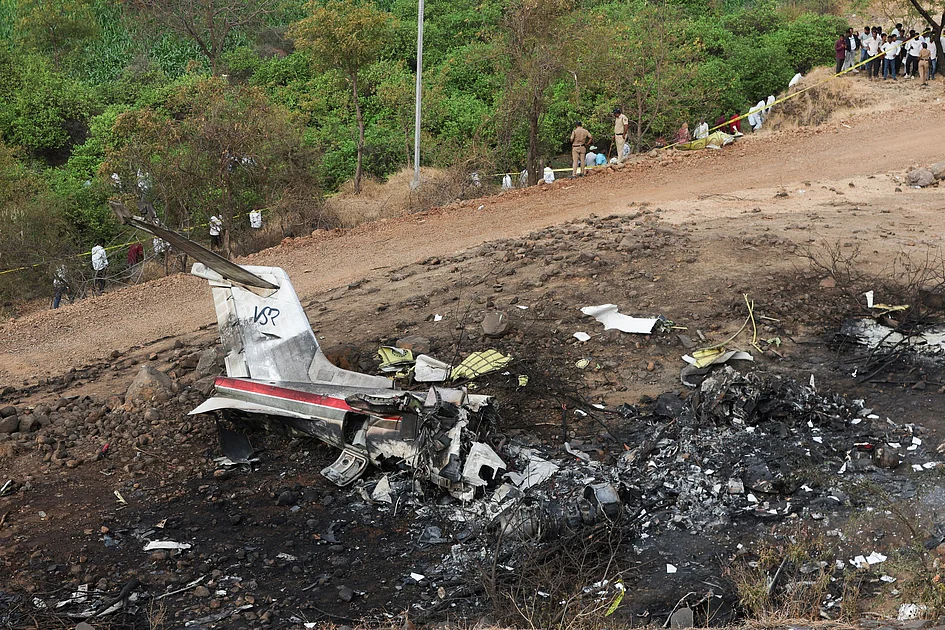
In response to last month’s fatal aircraft crash that claimed the life of Maharashtra’s Deputy Chief Minister Ajit Pawar and four others, India’s civil aviation authorities have initiated comprehensive safety inspections of approximately 400 unregulated airstrips across the nation. The tragedy occurred at an uncontrolled airstrip in Baramati, prompting immediate regulatory action.
The Directorate-General of Civil Aviation (DGCA) has commenced detailed examinations of Category A airports, which operate without air traffic control services. These facilities, managed by state governments, private operators, or flight training organizations, currently exist outside the DGCA’s regulatory framework despite their critical role in regional connectivity.
Aviation experts emphasize that implementing basic safety measures at these landing strips would require minimal investment. According to Mark Martin of Martin Consultancy, essential infrastructure including windsocks, compact weather stations for monitoring atmospheric conditions, and CCTV surveillance systems could be established for approximately ₹200,000 (Dh8,125) per airstrip. Martin further recommended monthly safety inspections by state authorities to ensure operational integrity.
The regulatory gap highlights India’s rapid aviation expansion, which has seen operational airports increase from 70 in 2014 to over 160 currently, with projections indicating 400 airports by 2047. The current initiative aims to establish standardized safety protocols while maintaining the operational flexibility of these vital regional aviation facilities.