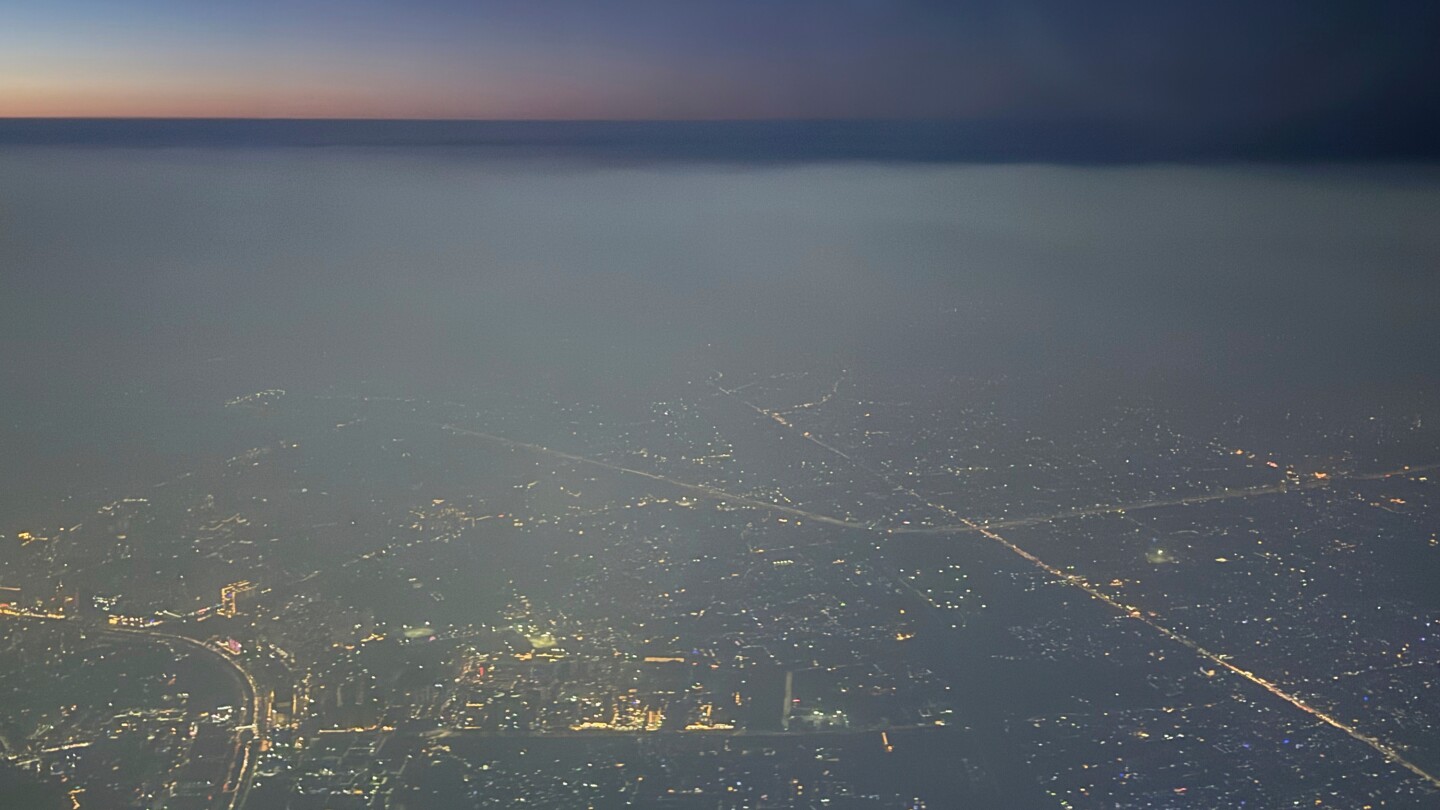
In a bold move to tackle the persistent air pollution crisis, Indian authorities conducted a cloud-seeding experiment over New Delhi on Tuesday. The initiative aimed to induce rainfall and alleviate the city’s hazardous smog levels, which have sparked widespread public discontent. A specialized aircraft dispersed chemicals into the clouds above select areas of the capital, hoping to trigger precipitation that would cleanse the atmosphere. Despite these efforts, air quality monitors classified the city’s pollution levels as “very poor,” underscoring the severity of the issue. Cloud seeding, a weather modification technique used in drought-prone regions like the western United States and the United Arab Emirates, remains a contentious solution due to its uncertain efficacy. Delhi Minister Manjinder Singh Sirsa revealed that the trial was conducted in collaboration with the Indian Institute of Technology Kanpur, with additional experiments planned in the coming days. He anticipated localized rainfall in the following hours, though experts remain skeptical about the long-term impact of such measures. New Delhi, home to over 30 million people, consistently ranks among the world’s most polluted cities. A recent report by IQAir, a Switzerland-based air quality monitoring database, identified six Indian cities among the top ten most polluted globally, with New Delhi topping the list as the most polluted capital. The city’s air quality deteriorates annually during winter due to crop residue burning in neighboring states, vehicle emissions, and industrial pollutants. While authorities have implemented measures such as construction bans, restrictions on diesel generators, and the deployment of anti-smog guns, critics argue that these are temporary fixes. Krishna Achuta Rao, a professor at the Indian Institute of Technology, New Delhi, emphasized that cloud seeding offers only a fleeting respite and fails to address the root causes of pollution. He advocated for stringent laws targeting emissions from industries, vehicles, and construction activities as the only viable long-term solution. “Cloud seeding is not a cure for pollution. It merely creates the illusion of action,” Rao stated.