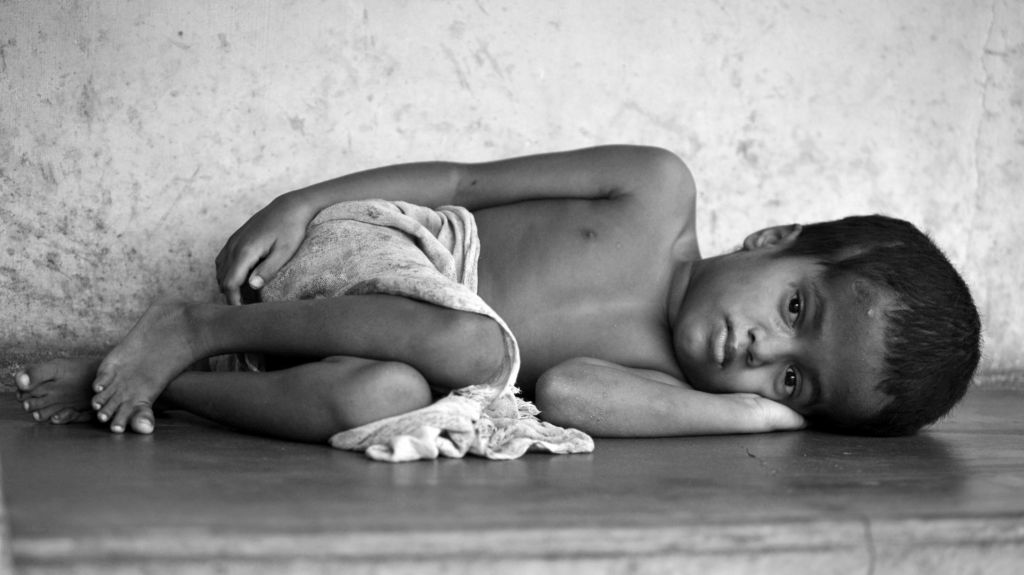
A powerful exhibition at the Kochi-Muziris Biennale in Kerala, India, is forcing international attention onto one of the nation’s most devastating environmental health disasters. Through the lens of photojournalist Madhuraj, the showcase presents a harrowing visual chronicle of the intergenerational suffering caused by the pesticide endosulfan in the Kasargod district.
The crisis originated over two decades ago when the Plantation Corporation of Kerala aerially sprayed the highly toxic pesticide on cashew, tea, and mango plantations. From the 1990s onward, communities living near these fields reported an alarming surge in severe birth defects and neurological disorders in children, including cerebral palsy, epilepsy, and hydrocephalus. Adults developed cancers, asthma, and hormonal issues, with environmental organizations and the state government later attributing these conditions to endosulfan poisoning.
Despite scientific debate regarding the definitive causal link, the substance was banned in Kerala in 2004. This was followed by a global ban under the Stockholm Convention in 2011 and a nationwide ban ordered by India’s Supreme Court that same year. In 2017, the court mandated compensation of ₹500,000 ($5,400) for approximately 5,000 recognized victims—a promise many families report remains unfulfilled.
Madhuraj’s photographs, captured over 25 years, document the profound human cost. The images tell stories of families, predominantly from disadvantaged castes and tribal groups, battling debilitating conditions with minimal access to healthcare. One photograph shows Jameela holding a portrait of her daughter Zainaba, who died from hydrocephalus before her first birthday. Another captures Kavitha, who developed severe immunological issues after watching the pesticide-spraying helicopters from her home.
The exhibition also highlights the relentless activism of affected families. Images from 2012 show mothers marching to government offices with their ailing children, demanding medical facilities and justice. A particularly tragic story is that of Vimala, who allegedly resorted to a murder-suicide in 2022 after struggling for years as the sole caregiver for her disabled daughter, Reshma.
By bringing this work to a premier contemporary art venue, Madhuraj aims to ensure that this human and environmental catastrophe is neither forgotten nor repeated, serving as a somber reminder of the consequences of corporate and regulatory negligence.