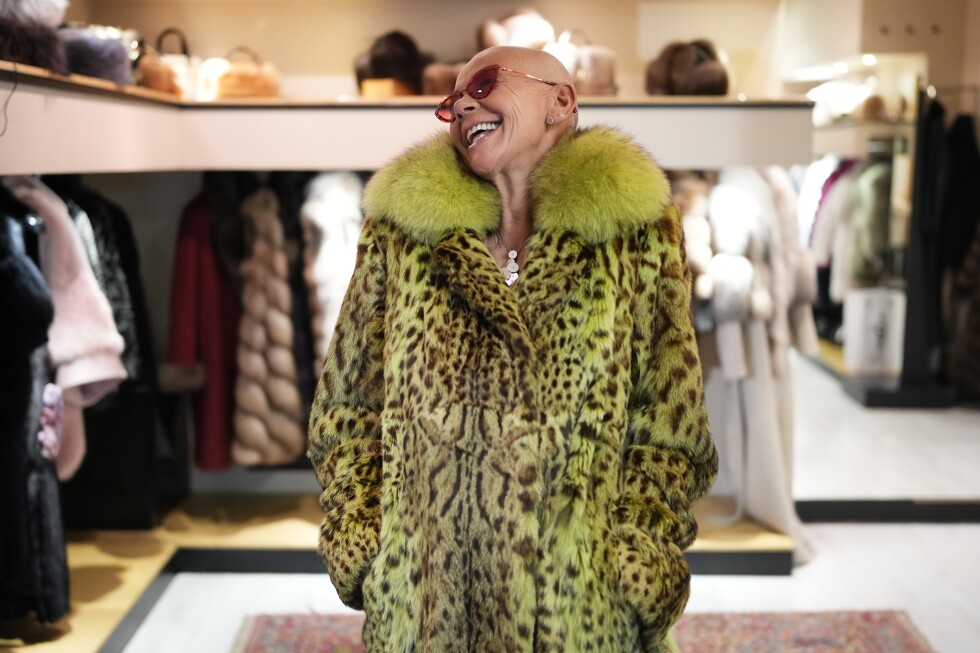
Nestled in the Italian Dolomites, Cortina d’Ampezzo stands as a defiant bastion of fur fashion culture amidst growing global opposition. While the European Commission considers sweeping bans on fur farming and major fashion houses abandon animal pelts, this alpine resort town continues its centuries-old tradition with unabashed enthusiasm.
The cultural significance of fur here transcends mere fashion—it represents historical identity and regional pride. Since the filming of James Bond’s ‘For Your Eyes Only’ showcased Cortina’s fur-clad elegance, the town has maintained its sartorial heritage. Along the pedestrian-only Corso Italia, boutique windows display everything from Canadian lynx to spotted feline coats, with price tags reaching €80,000.
Paola De Leidi, a 62-year-old regular visitor, exemplifies this cultural attachment. She maintains a dedicated ‘Cortina closet’ for her collection of exotic furs, including pink and panther patterns, considering the town a safe haven from environmentalist criticism. ‘Here, I feel free to wear what I like without anxiety,’ she expressed, echoing shopkeeper Marco Molinari’s observation about the town’s unique atmosphere of security and tradition.
The contrast with global trends couldn’t be sharper. Over 1,600 retailers worldwide have committed to fur-free policies, with luxury giants like Gucci, Chanel, and Prada transitioning to synthetic alternatives. The Fur Free Alliance reports significant progress in ethical fashion, while the EU prepares potential legislation against mink, fox, raccoon, and chinchilla fur production.
Even celebrity influence reflects this dichotomy. During the Milan Cortina Olympic Games, rapper Snoop Dogg—known for his flamboyant fur accessories—purchased a €300 Pajaro fur hat, later showcasing it in an Instagram video with Stanley Tucci. This momentary spotlight highlighted how Cortina remains one of the few places where such purchases remain socially acceptable among international elites.
Elderly residents like Marina Bozzoli, 82, and Orietta Guarini, 83, who have witnessed Cortina’s transformation from modest mountain town to luxury destination, confirm that while ‘everything has changed, the furs have always been here.’ Their inherited coats, some dating back generations, symbolize how deeply this tradition is woven into the fabric of local identity, even as the world moves toward more ethical and sustainable fashion choices.