BANGKOK — A humanitarian crisis is unfolding in Cambodia as the nation’s only dedicated shelter for victims escaping fraudulent scam compounds faces catastrophic resource shortages amid an unprecedented exodus of workers. The Caritas shelter, previously funded by the United States, now operates with merely one-third of its original staff and a fraction of its previous budget while confronting a surge of desperate survivors.
The facility has been compelled to reject over 300 individuals requiring immediate assistance, forcing many to sleep on streets or return to their exploitative workplaces. Currently housing approximately 150 people, the shelter struggles to provide basic necessities, with many occupants lacking pillows, blankets, or any possessions beyond the clothes they wear.
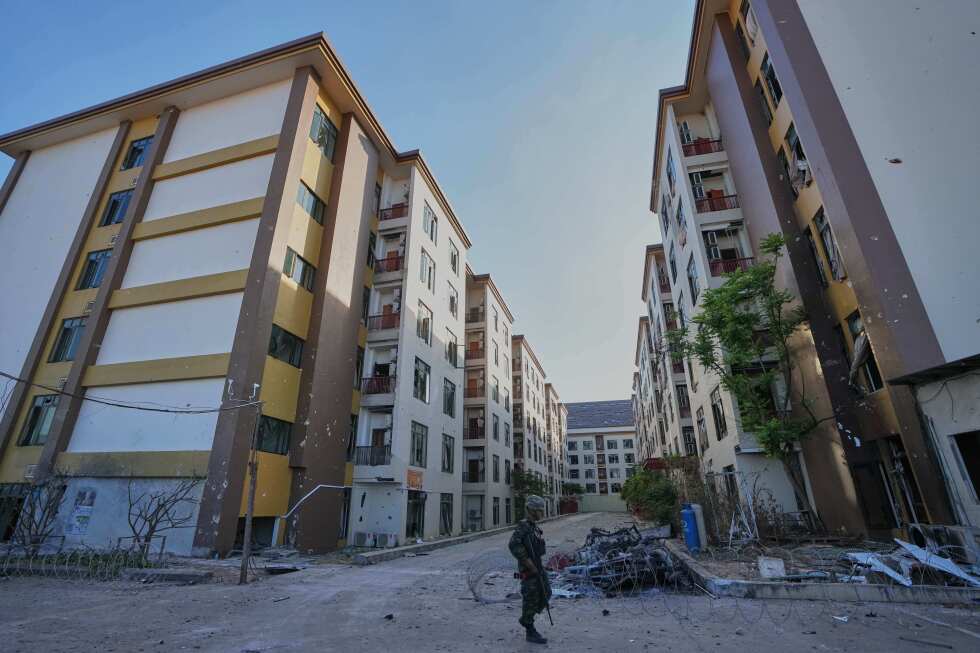
This crisis follows Cambodia’s extradition of a suspected scam kingpin to China in January, which triggered mass releases from compounds housing an estimated 100,000 workers in 2023 alone. These facilities operated sophisticated fraudulent operations featuring soundproofed phone booths, multilingual scripts, and even replica police stations of various countries.
Despite Prime Minister Hun Manet’s declaration that combating cyberfraud constitutes a ‘deliberate political priority,’ activists accuse the government of ignoring the resulting humanitarian emergency. Amnesty International’s regional research director Montse Ferrer described ‘thousands of traumatized survivors being left to fend for themselves with no state support’ amid ‘chaotic and dangerous’ departure conditions.
The Cambodian government maintains it screens all individuals to separate victims from perpetrators, providing protection, shelter, and assistance for safe return. However, rescue workers report systemic failures, with embassies and international organizations engaging in responsibility-shifting that creates ‘a closed loop with no exit.’
Compounding the crisis, U.S. funding suspension led to the dismantling of USAID in early 2025, eliminating the shelter’s anticipated $1.4 million funding through 2026. The International Organization for Migration, another key funder primarily supported by U.S. contributions, has also faced significant budget reductions.
In Cambodia’s increasingly repressive environment—where independent media has shuttered and journalists reporting on scam compounds face arrest—Caritas remains the only organization willing to accept these victims. Many who cannot secure shelter space risk immigration detention, extortion attempts, or returning to the compounds simply to avoid homelessness.
For victims like Youga, an African man from the persecuted Banyamulenge ethnic group, options are severely limited. Having escaped beatings and exploitation, he now represents countless survivors seeking merely ‘to rebuild my life with dignity’ amid systemic breakdown and international indifference.