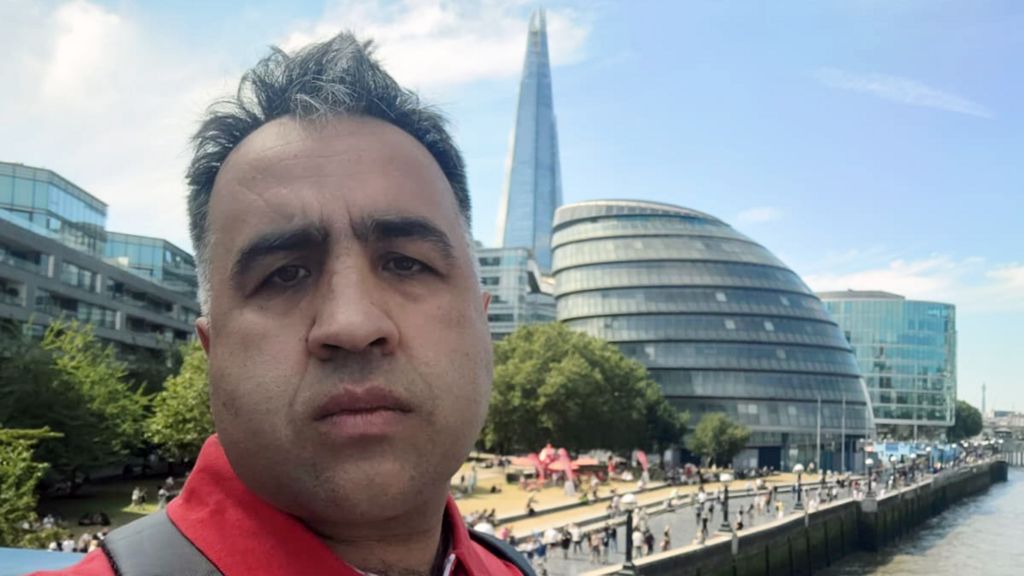
Maiwand Banayee, a 45-year-old NHS diabetes remission coach and postgraduate student in Coventry, leads a life far removed from his turbulent past as a Taliban fighter. Born in Afghanistan in 1980, Banayee’s early years were marked by vulnerability and bullying, which led him to seek validation through radical ideologies. At 14, he was radicalized in the Shamshato refugee camp in Pakistan, where he was exposed to intense religious propaganda and the glorification of martyrdom. The camp, dominated by the Hezb-e-Islami group, became a breeding ground for extremism, with mullahs promising heavenly rewards for those who sacrificed their lives. Banayee’s journey into the Taliban’s fold began in 1996, when he returned to Kabul and joined the group, enforcing their austere version of Sharia law. However, his faith in the Taliban began to waver after witnessing their cruelty and hypocrisy. A turning point came when he was forced to pray again by Taliban fighters, an act that deeply wounded his ego and sparked doubts about their true nature. Over time, Banayee distanced himself from extremism, eventually fleeing to the UK in 2001. After years of struggle, including failed asylum applications and homelessness, he found stability in Ireland, where he married and became a citizen. Today, Banayee is an advocate against radicalization, sharing his story in his book, *Delusions of Paradise: Escaping the Life of a Taliban Fighter*. He warns of the dangers of religious schools in Afghanistan, which he believes are radicalizing a new generation of children. Banayee’s message to young people is clear: question everything and seek truth beyond the myths of extremism.
I was ready to die for the Taliban. Now I hope I can prevent others becoming radicalised